Posts

“Rally for the Reefs” webinar on Thursday, June 16 will focus on saving the reefs of Māʻalaea Bay

in /by

Speakers Stuart Coleman, Rep. Angus McKelvey and Maui County Councilmember Kelly King will provide updates on Māʻalaea wastewater treatment options

MĀʻALAEA, HI – Longtime Māʻalaea resident Peter Cannon remembers that during his childhood, “the coral reefs of Māʻalaea Bay were like the robust and healthy reefs that you see today at the ʻĀhihi-Kīnaʻu Natural Area Reserve.” He recalls that local families enjoyed harvests of ribbon limu from the bay, and there was an abundance of native fish and opae.

Since the 1970s, the coral reefs in Māʻalaea Bay have degraded so severely that Hawaii’s Division of Aquatic Resources (DAR) has described the situation as “a case study in total system collapse.” In their report, “Status and Trends of Maui’s Coral Reefs” DAR in partnership with the Coral Reef Assessment and Monitoring Program reported on their 1999 monitoring in Māʻalaea Bay and noted that the “end result of reef degradation is evident in Māʻalaea Bay.”

The report noted that in 1972, “Māʻalaea coral reefs were described as being ‘striking in their diversity and in the presence of rare corals species’. As late as 1993, estimated coral cover was 50- 75% close to the site where cover is now 8%. Therefore, in just a few decades, the Māʻalaea reef has transformed from a healthy and diverse ecosystem into a badly degraded habitat overgrown by algae and with little surviving coral.”

The report also noted that fish stocks in in Māʻalaea are now in very poor condition, and the reefs have been invaded by alien and invasive algae species.

Declining ocean water quality in Māʻalaea Bay is a major contributor of the decline. A new report for the years 2019 – 2022 by the Hui O Ka Wai Ola community-based ocean water quality monitoring program indicates that Māʻalaea Bay has excessive levels of nitrates, second only to the levels in Kihei Cove, of all the sites the program monitors along the leeward Maui coast.

What can Maui County residents and visitors do to improve the ocean water quality and save the reefs of Māʻalaea Bay? Learn about the steps that are proposed — and how individuals can help – at an online Rally for the Reefs webinar to be held on Thursday, June 16 at 5:30 pm via Zoom.

Admission is free, but reservations are required. To reserve your spot, visit https://bit.ly/Rally4Reefs.

The “Rally for the Reefs” webinar will feature presentations by:

Stuart Coleman
Founder and Executive Director of WAI (Wastewater Alternatives & Innovations)
Coleman will discuss modern wastewater alternatives and innovations that will make it possible to reduce the pollution that has been harming the corals in Māʻalaea Bay.

Maui County Councilmember Kelly Takaya King
(Holds the County Council seat for South Maui)
Councilmember King will discuss the funding for the improved wastewater treatment system for Māʻalaea in the County’s 2023 budget and the steps ahead to make this system a reality.

State Representative Angus L.K. McKelvey
(Representing West Maui – Māʻalaea – North Kihei)
Representative McKelvey will explain how the State can help establish improved wastewater treatment in Māʻalaea, and why the proposed wastewater treatment project in Māʻalaea could serve as a model for other small communities throughout Hawaii that are looking for replacements for cesspools, injection wells and septic systems.

“The community has been working hard to identify and address the problems that have undermined the ocean water quality of Māʻalaea Bay and harmed the coral reefs,” said Mike Fogarty, Executive Director of Maui Nui Marine Resource Council. “We’ve now reached critical junctures that will decide if and when some of the proposed solutions to the problems of water pollution and reef loss will be addressed. We need to act now to save Māʻalaea’s reefs before it’s too late. Please attend the Rally for the Reefs to learn what can and should be done.”

The Rally for the Reefs webinar is sponsored by WAI, Maui Ocean Center, Māʻalaea Village Association, Maui Nui Marine Resource Council, Maui Ocean Center Marine Institute and Sierra Club Maui Group.

To register to attend this free Zoom event, please visit https://bit.ly/Rally4Reefs.
New Sunblock Dispensers Urge South Maui Ocean-Goers to “Love the Ocean the Right Way” on Valentine’s Day

in /by

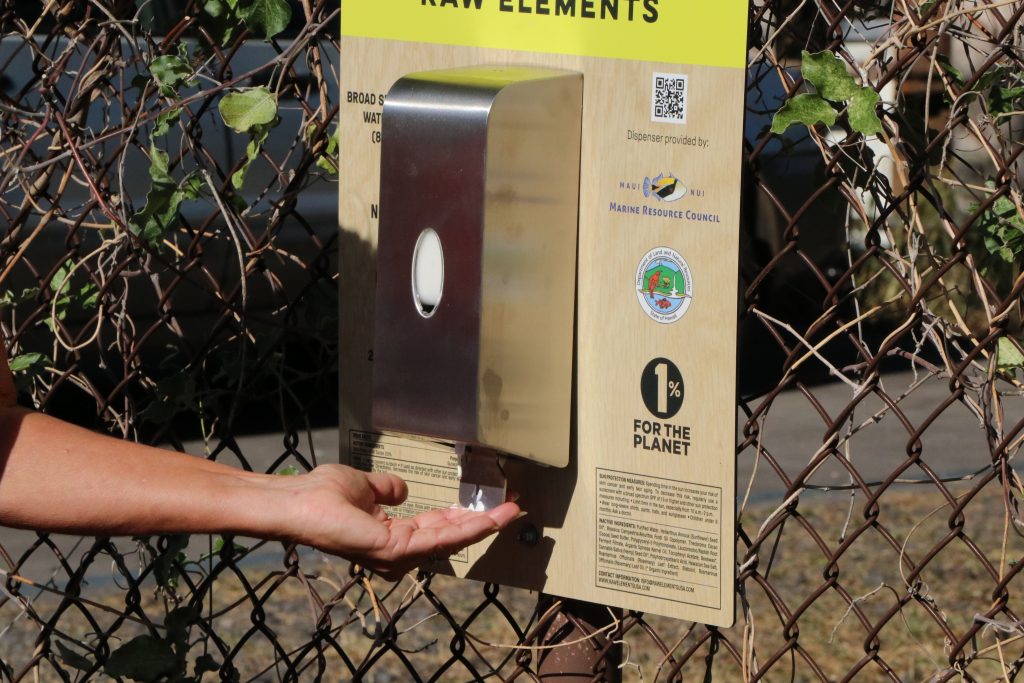
KIHEI – Four mineral sunblock dispensers are up on this Valentine’s Day on south Maui shores, encouraging all to “love the ocean the right way.” Two are at the ‘Āhihi-Kīna‘u  Natural Area Reserve and a pair are to be installed at Mākena State Park. Thousands of people enter the ocean at these locations every day.

The dispensers hold non-nano, zinc, mineral sunscreen. Products with these active ingredients are safe for people and marine life because those elements already exist in sea water. Dermatologists say mineral-based products are the most effective protection for people, as they block out both UVB and UVA rays from the sun.

The Maui installations were inspired by a sunblock dispenser at Waialea Bay at Hāpuna State Recreation Area on Hawai‘i Island. Kelli Lundgren, board member of the Robert F. Orr Charitable Foundation, decided Maui needed dispensers. “As a volunteer at ‘Āhihi-Kīna‘u I’ve communicated with hundreds of visitors about the effectiveness and protection of mineral sunscreens. As people understand the mineral alternative and discover that sprays and bottles labeled “reef safe” actually can be harmful, they wanted an alternative.”

The Robert F. Orr Charitable Foundation through the Maui Nui Marine Resource Council, and with support from the State of Hawai‘i and County of Maui, helped with the placement of dispensers at the Maui beaches. “I hope this will be the start of additional protection for Maui’s corals, fishes, and other abundant, beautiful, and essential sea life,” Lundgren added.

“Once people try mineral sunscreens, they see how easy they are to use,” said Mike Fogarty, Executive Director at Maui Nui Marine Resource Council. “We hope these dispensers give people an introduction to a better way of protecting themselves and marine life. Using mineral-based sunscreens also help protect the fish that many in our community rely on for food.”

Beginning on October 1, Maui County will be the first place in the country to ban the sale and use of sunscreen products with petrochemicals as active ingredients. Many of those products are labeled as “reef safe” with no scientific backing to the claims. The historic ordinance was passed unanimously by the Maui County Council and was signed into law by Mayor Michael Victorino last December.

It is intended to protect reefs and ocean food sources from continuous, daily chemical contamination. A 2018 state-wide law only banned the sale of two chemicals but allowed the continued sale of many other chemical ingredients.The Maui ordinance is stronger because it allows only the sale of mineral products. It prohibits the sale or use of any chemical compounds currently in use as well as any new compounds created in  the future.

Council member Kelly King introduced the bill and commented, “Non-mineral sunscreens are an aggressive pollutant. Our coral reefs are our first defense against climate change and sea level rise. This includes impacts such as erosion, runoff from storms and development, and seepage from wastewater injection wells. Our ordinance is one important step toward protecting the health and resilience of our reefs and marine life by removing a significant ecological stressor. Making a better choice in sun protection is one thing we can  all do immediately. What better day than Valentine’s to make a change and show your love for the kai?”
Peter Landon, of the DLNR Division of Forestry and Wildlife, manages ‘Āhihi-Kīna‘u Natural Area Reserve. Landon said, “Thanks for the generous donations and everyone’s work on this issue. The     installation of these dispensers is a welcome addition to our outreach efforts, giving us a way to help visitors who were unaware of the chemical sunscreen pollutants, or thought they bought something ‘reef safe’. We appreciate it when people hear our messageand want to do the right thing.”

Raw Elements USA supplied the dispensers and product. Chis Wagaman of the company remarked, “We’re honored and proud to be a part of this project with great people participating in positive change for Maui. It is incredible to see the steps taken to educate and provide an incredible experience for everyone who goes into the ocean.”
# # #

To view video please click on photo or view at this link: https://vimeo.com/677415105

More information about mineral sunscreens and reefs:  https://www.mauireefs.org/sunscreens

More information about Maui’s ordinance: https://www.mauicounty.gov/DocumentCenter/View/130826/Ord-5306

Media Contact:  Dan Dennison 
Senior Communications Manager 
Hawai’i Dept. of Land and Natural Resources 
[email protected] 
808-587-0396

New FlushAware App to Be Topic of March 2 Know Your Ocean Speaker Series

in /by

Meet the App’s Developer and Learn More About Where Wastewater Goes When You Flush Your Toilet on Maui

PAIA, MAUI, HI – The average person flushes their toilet five times per day. But when you flush, do you know where your wastewater goes and what impacts it has on the ocean where you surf or swim, the beaches where you play and the fish that you eat from our coastal waters? Maui Nui Marine Resource Council invites you to learn more about the path that wastewater follows once it leaves your toilet and how your wastewater is impacting our nearshore ocean water quality at a special Know Your Ocean Speaker Series presentation on Zoom on Wed. March 2 at 5:30 pm featuring Travis Liggett as the guest speaker. To reserve your spot, please visit https://bit.ly/FlushAwareWebinar

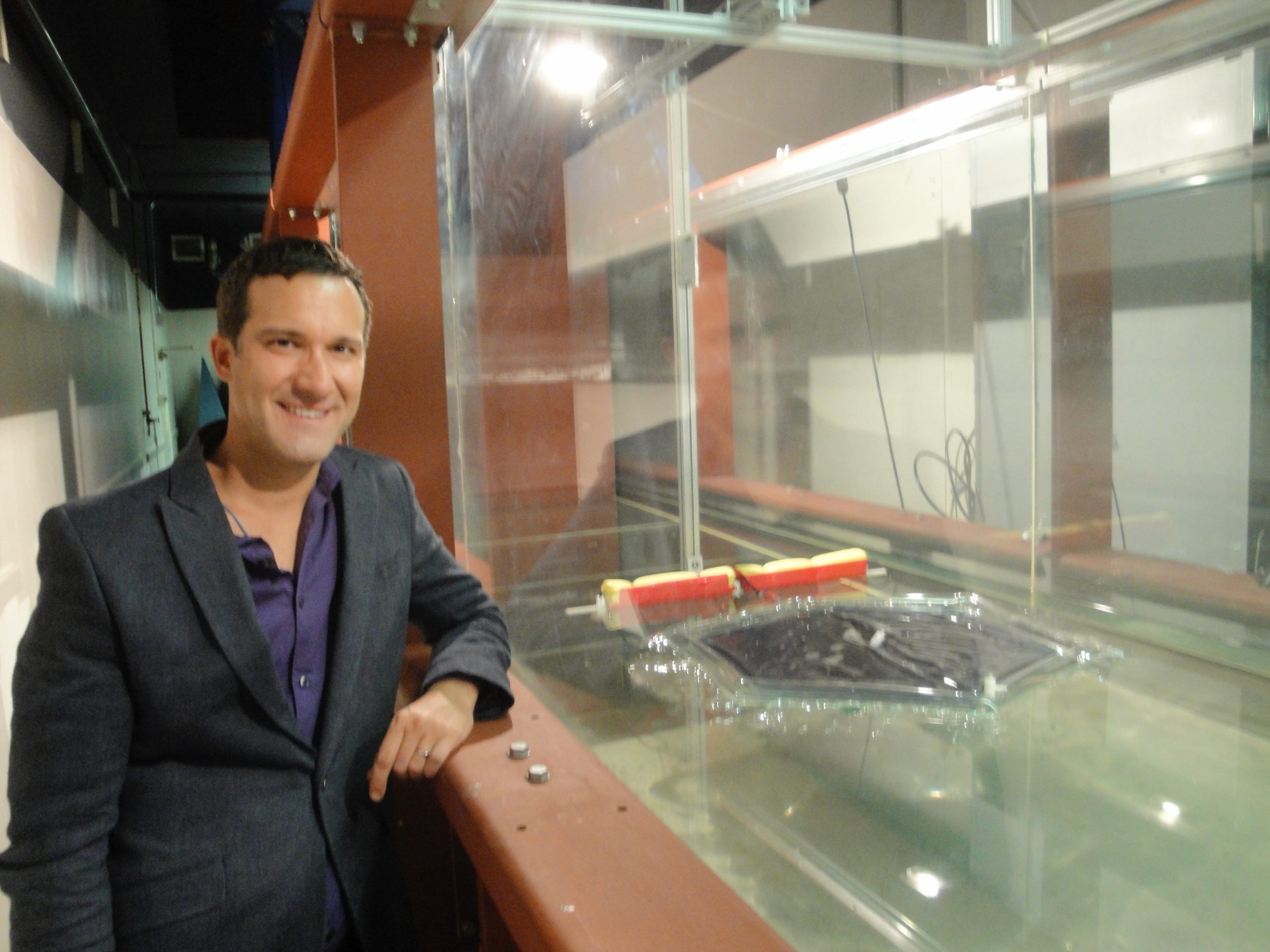
Liggett is the president of Reef Power LLC and the developer of the new FlushAware app with a demonstration website launch for Maui island users slated for March 2022.
“FlushAware is a new online education system that will inform users about the treatment level and destination of their Maui Island disposal method, while providing tools for activism and improving life downstream,” says Liggett.

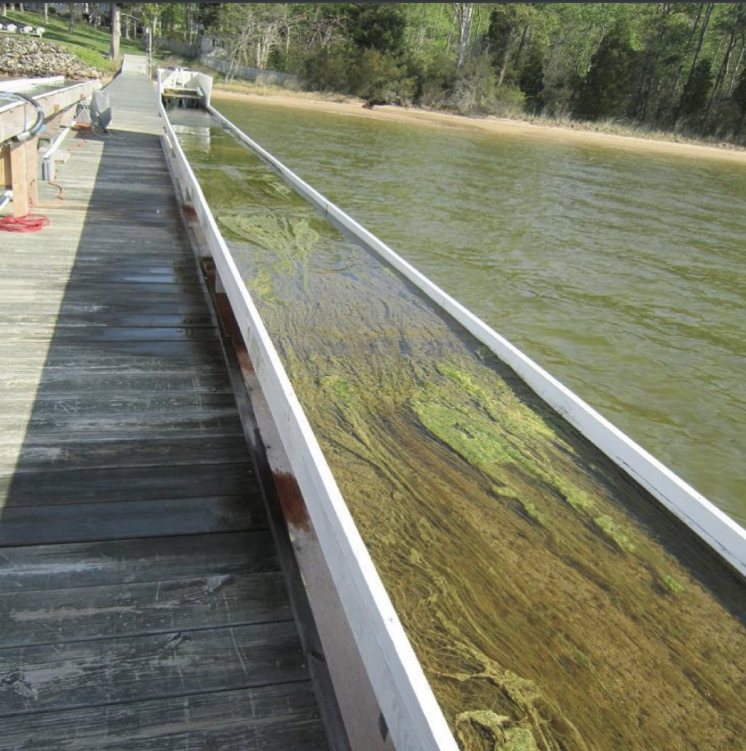
During his presentation, Liggett will demonstrate how the new FlushAware app will work, and will discuss solutions to Maui’s wastewater challenges, which he says can be found in the living life support ʻĀina. “Native species such as stream limu, breadfruit and taro provide answers to our water waste woes. Instead of nearshore injection, municipal discharges in Maui can be polished with turf scrubbers to reduce nutrient pollution using local freshwater algae,” reports Liggett. “The wastewater can then be 100% reused as irrigation of native food agroforestry, pastureland, and vetiver slope stabilization plantings to reduce sediment transport potential from mauka lands.”

Travis Liggett graduated from University of California at Berkeley with a Bachelor of Science degree in Mechanical Engineering with a focus on design in 1998, and from the University of Colorado at Boulder with a Master of Science degree in Aerospace Engineering with a focus on life science in 2003.

In 2001 Mr. Liggett started work as a Research Assistant at  BioServe Space Technologies, a NASA Commercial Space Center locate

d at CU Boulder, and continued his tenure working for the Agency as a Flight Systems Engineer for the Space Station Biological Research Project starting in 2003, then as an Aerospace Research Engineer focusing on functional prototype development of new life science technologies from 2005 – 2010 at  NASA Ames Research Center in Moffett Field, located in California’s Silicon Valley.

On Maui, Travis has managed algae growth operations at Maui Tropical Algae Farm, and served as Principal Engineer for Water Quality Consulting, Inc., where he performed core duties including work on the Maui Ocean Center’s 2018 NPDES permit application.

Travis founded the small business Reef Power LLC in 2018 with the objective of bringing to Maui a natural regenerative reuse wastewater nutrient polishing system called a turf scrubber growing native Hawaiian stream limu (freshwater macroalgae), coupled with native food agroforest irrigation for disposal, instead of nearshore injection wells.

“Wastewater has a significant impact on Maui’s coral reefs and nearshore ocean water quality, whether you live in Kula or Kihei,” says Mike Fogarty, Executive Director of Maui Nui Marine Resource Council. “The FlushAware App will contribute to our community’s growing awareness of the impacts of each and every flush – the first step in finding an answer to the question of how to manage our wastewater to protect our reefs and the ocean waters that surround our shores.”

The Know Your Ocean Speaker Series is hosted on the first Wednesday of each month and is funded in part by the County of Maui Office of Climate Change, Resiliency and Sustainability and by donations from individuals and businesses in the community. To learn more, visit www.mauireefs.org.

Photo at right: A turf scrubber reduces nutrient pollution using local freshwater algae.

Free July 7 Zoom Presentation by Dr. Craig Downs and Hawaii Senator Mike Gabbard: “Education vs. Enforcement: Next Steps Beyond the Enactment of Hawaii’s Sunscreen Law”

in /by

KIHEI, HI— Hawaii’s ban on sunscreens containing the reef-harming chemicals oxybenzone and octinoxate went into effect on January 1, but is the law effective in protecting our local coral reefs and marine animals as intended? Is the ban being enforced? What’s the latest scientific evidence about the chemicals that are replacing these two ingredients in some brands of sunscreen? Are new laws needed?

Get the answers to these important questions on Wednesday, July 7 at 5:30 p.m. via a free Zoom presentation featuring special guest speakers: Dr. Craig Downs, whose groundbreaking research educated the world about sunscreen chemicals and their role in coral reef decline; and Hawaii Senator Mike Gabbard, who authored the legislation that resulted in Hawaii’s ban on the sale of sunscreens that contain the chemicals oxybenzone and octinoxate.

The presentation titled “Education vs. Enforcement: Next Steps Beyond the Enactment of Hawaii’s Sunscreen Law” is sponsored by the County of Maui Mayor’s Office of Economic Development and hosted by Maui Nui Marine Resource Council as part of the organization’s “Know Your Ocean Speaker Series.”

This event is free, but advanced reservations are required. To reserve your spot, please visit https://bit.ly/SunscreenWebinar.

Downs graduated from Hiram College with a B.A. in philosophy and biology, received his M.Sc. from Syracuse University, and received his Ph.D. from the University of Hawaii in cell and molecular biology. He has published over 50 scientific papers and a number of book chapters in scientific textbooks, and is the co-editor of the CRC press veterinary book, Diseases of Corals, as well as founded a number of companies and nonprofits relating anywhere from animal welfare to environmental conservation and exploration.

Downs has held positions as research professor at University of Hawaii’s School of Medicine and Sweet Briar College. He is currently an invited professor at Sorbonne University (France) and is the Executive Director of Haereticus Environmental Laboratory, a non-profit scientific organization dedicated to increasing the scientific, social and economic knowledge of natural environmental habitats in order to better conserve and restore threatened environmental habitats and resources.

Gabbard, who has represented District 20 since 2006, which includes Kapolei, Makakilo, and portions of Kalaeloa, Waipahu, and Ewa, has authored 54 bills that became law relating to energy efficiency, renewable energy, endangered species protection, industrial hemp, the environment, public safety, and more.

One of those bills that became law in 2018, SB 2571, is the ban of sale or distribution in the state of any sunscreen that contains oxybenzone or octinoxate, or both. Last session, Gabbard introduced SB 366, which would ban the sale, offer of sale, or distribution in Hawaii of any sunscreen that contains two more chemicals, avobenzone or octocrylene.

The speakers plan to address whether or not sunscreen pollution is a symptom of unsustainable tourism and coastal development, how we get visitors and residents to comply with the new sunscreen law, and who is responsible for enforcing it.

This panel will also provide information and tips on how you can help to protect the marine environment.

Maui Nui Marine Resource Council’s “Know Your Ocean Speaker Series” events are held monthly via Zoom. Support for these events is provided by the County of Maui Mayor’s Office of Economic Development.

The virtual event’s emcee will be Darla Palmer-Ellingson, local radio show host of the public affairs program, Island Environment 360 Maui’s only commercially broadcast public affairs show on environmental and related Hawaiian cultural topics, aired on the stations of H-Hawaii Media.

To reserve your spot at this free Zoom webinar, please visit https://bit.ly/SunscreenWebinar.

Oyster Spat Collected to Raise Next Generation of Oysters for Māʻalaea Ocean Water Improvement Project

in /by

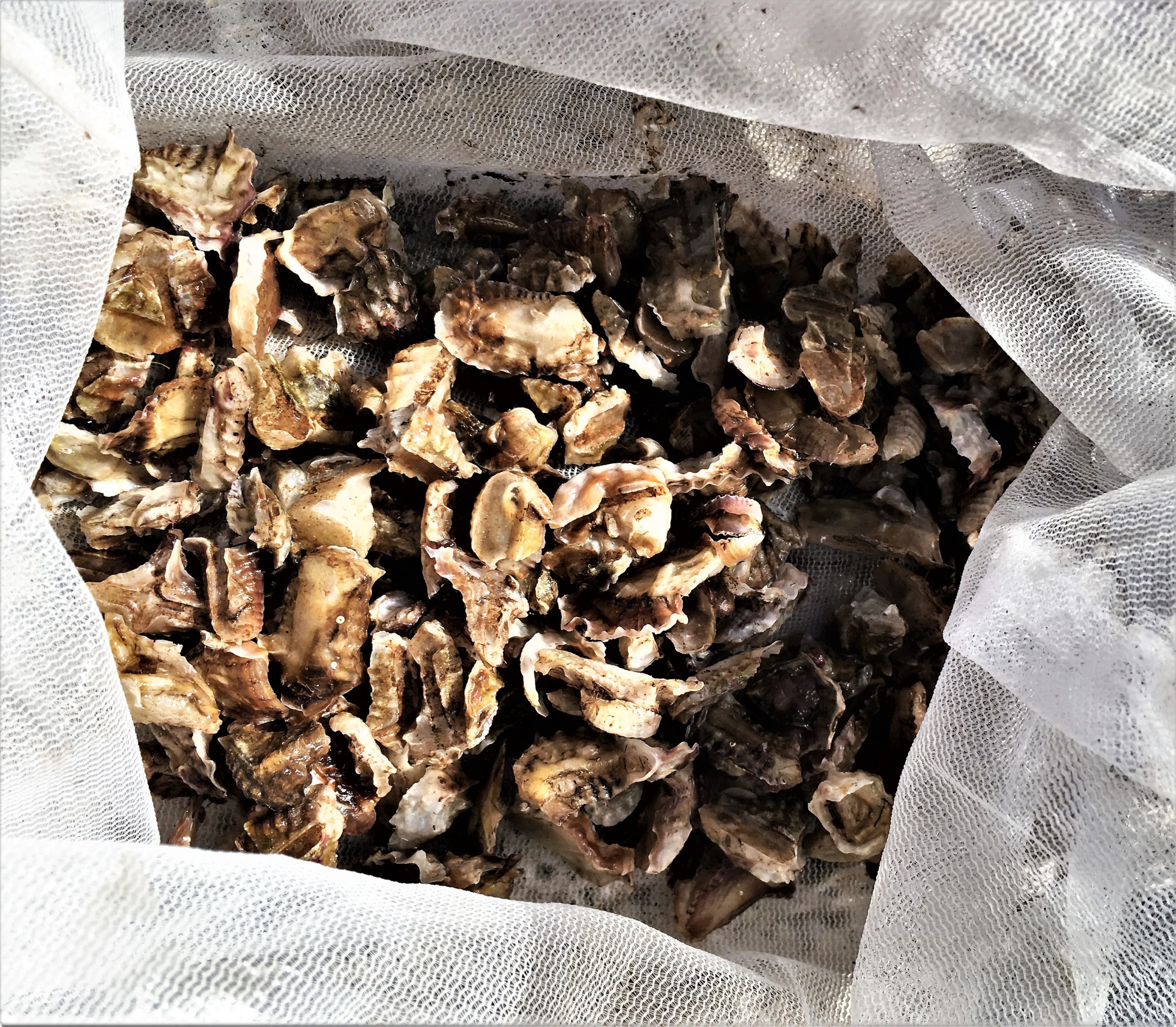
A small bag of 100 tiny Hawaiian oysters, gathered in mid-August under State of Hawai‘i permit by staff of Maui Nui Marine Resource Council (MNMRC), represents the “next generation” in the nonprofit organization’s work to use oysters to filter and clean ocean water in Māʻalaea Bay. The project to improve ocean water quality in Māʻalaea is supported by the County of Maui Mayorʻs Office of Economic Development.

What’s amazing is that the tiny oysters appeared to have “volunteered” for the job.

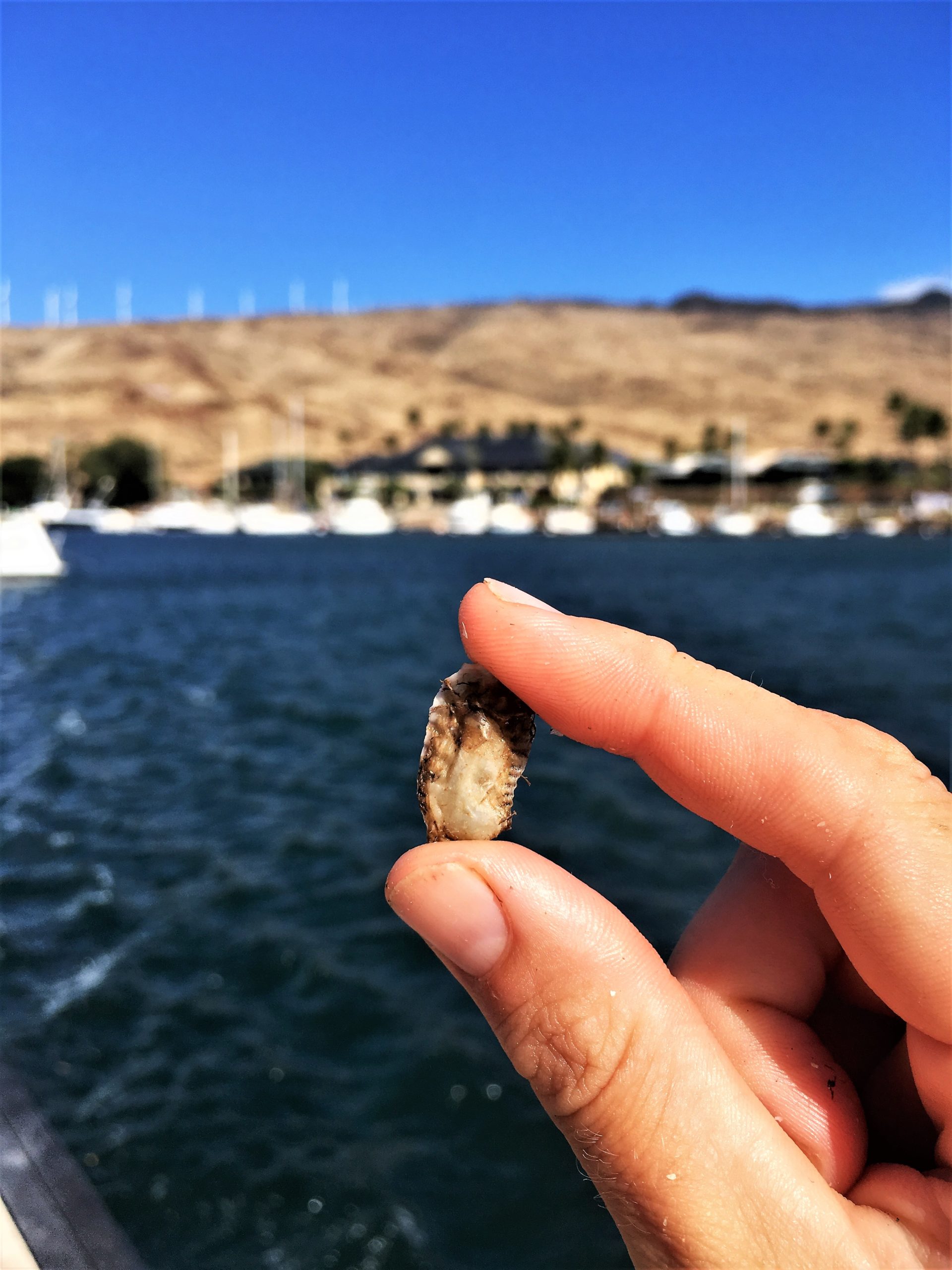
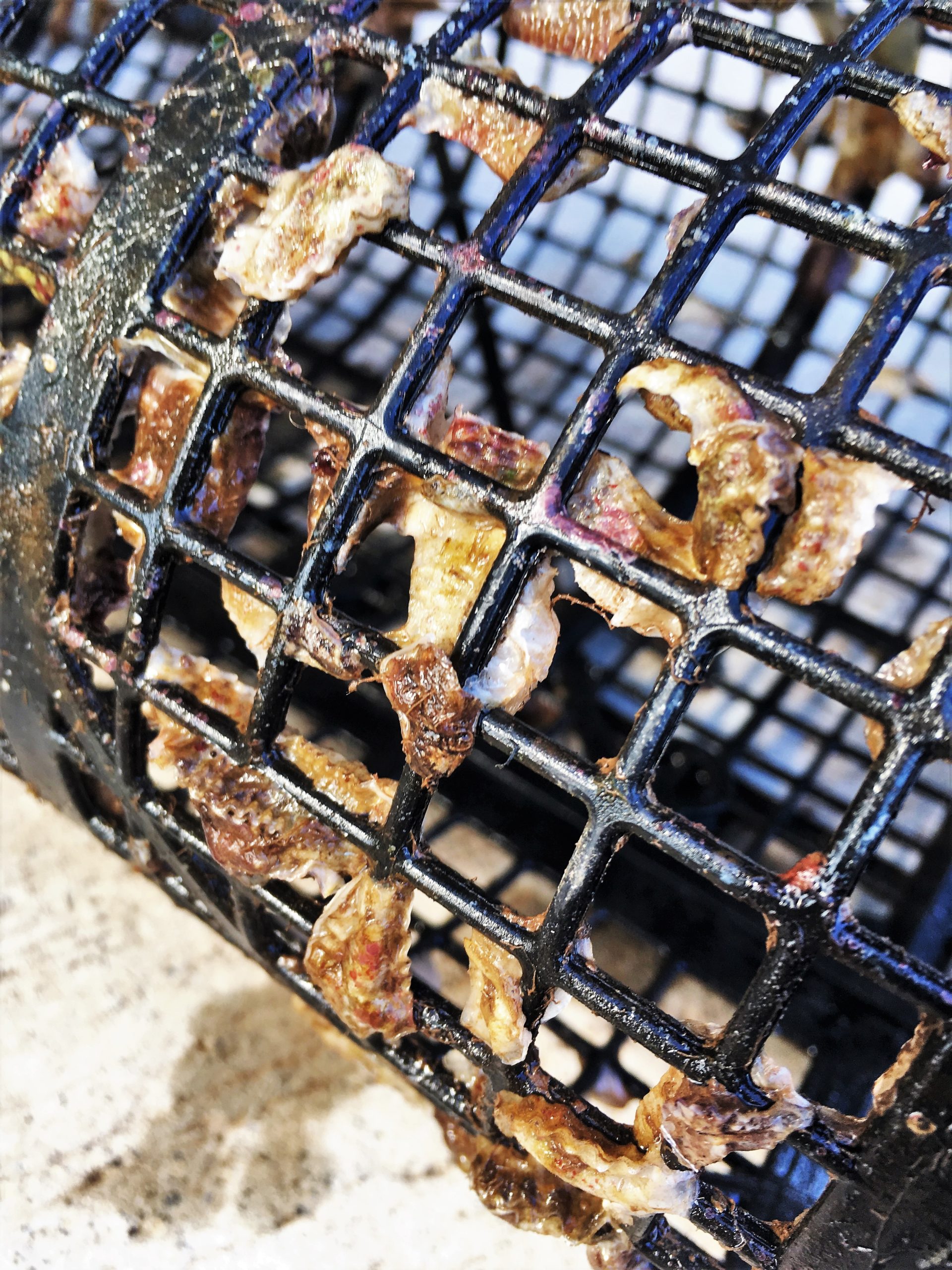
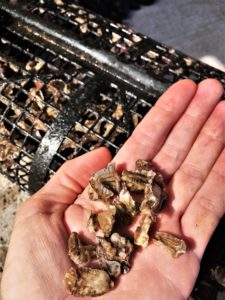
Months ago, Maui Nui Marine Resource Council Programs and Operations Manager Amy Hodges was amazed to see that floating oyster larvae from native Hawaiian oysters (Dendostrea sandvicensis) had begun to voluntarily attach themselves to the outside of oyster cages that the organization had installed in Māʻalaea Harbor. Over a period of months, they grew into tiny oysters called “spat.”

“It was MNMRC’s goal to incorporate using Hawaiian oysters, which are native to Hawaiʻi, for this project starting in December 2020. And here they were, appearing on our cages,” noted Hodges. “These baby oysters were truly a gift from nature.”

MNMRC coordinated with the Pacific Aquaculture and Coastal Resources Center (PACRC) in Hilo, a project of the University of Hawai‘i at Hilo, to follow the right protocol to safely collect and ship these oysters to PACRC for spawning and propagation. The State of Hawaiʻi Department of Agriculture office on Maui inspected the oysters before they were shipped.

The tiny oysters will be well-fed and protected at PACRC, where they will spawn and their progeny will grow larger more quickly than those in the wild. They will be shipped back to Maui in December to be raised in cages as part of MNMRC’s oyster bioremediation project.

MNMRC expects to receive about 3,000 mature Hawaiian oysters from PACRC by the end of 2020.

Hodges explains that oysters are extremely effective natural filter feeders, with each oyster capable of filtering 40 to 60 gallons of water per day, removing sediment and other pollutants. “Our goal is to use the oysters to improve the ocean water quality to Māʻalaea Bay, to provide cleaner, healthier water for the coral reefs and local fish populations,” says Hodges. “The goal is to make Māʻalaea Bay a better place for fishing, paddling, surfing, swimming and beach days for the entire community. We’re glad to have the oysters ‘volunteering’ to help us reach that goal.”

When MNMRC launched its project in early 2020, the team installed cages of Pacific oysters, which are commonly found throughout Hawai‘i, but are not native. The Pacific oysters are larger than Hawaiian oysters and are triploids, meaning they are sterile and cannot reproduce. After seeing that the Pacific oysters survived the polluted water in which they were placed, and the Hawaiian oysters appeared on the oyster cages,  MNMRC’s team decided to go forward with including smaller native Hawaiian oysters in the project, using oyster spat gathered from Māʻalaea Bay. “We believe that these oysters are well suited to the unique conditions of this area,” said Hodges.

All of the oysters are being used to clean polluted water and are unsafe to eat. The oysters may carry Vibrio bacteria which can cause watery diarrhea, often accompanied by abdominal cramping, nausea, vomiting, fever and chills. Vibrio is a naturally occurring bacteria and can be found in warm coastal waters and harbors, where it infects oysters.

The cages housing the oysters are clearly marked with warning tags stating, “Toxic. Do Not Eat. Research in Progress. Do Not Remove. Maui Nui Marine Resource Council.”

It is illegal to catch, take, kill, possess, remove, sell, or offer for sale oysters or clams from the waters of the state of Hawai‘i according to fishing regulations HAR 13-83 and HAR 13-85. Violators shall be punished as provided by law. Maui Nui Marine Resource Council is permitted through the State of Hawai‘i for its oyster project.

Maui Nui Marine Resource Council is a community-based nonprofit organization celebrating 12 years of working for healthy coral reefs, clean ocean water and abundant native fish throughout Maui County. MNMRC’s work includes co-managing the Hui O Ka Wai Ola Ocean Water Quality Monitoring Program in South and West Maui, efforts to reduce pollution in Mā‘alaea Bay through erosion-control efforts in the Pōhākea watershed, coral reef research, visitor education programs and more. Learn more at www.mauireefs.org.

Support for this project was provided by Hawaii Tourism through the Aloha ʻĀina program and the County of Maui Mayorʻs Office of Economic Development. 


Hawaiian oysters collected under permit in Mā‘alaea Harbor by Maui Nui Marine Resource Council will be propagated at the Pacific Aquaculture and Coastal Resources Center in Hilo, and their progeny returned to Maui as part of an oyster bioremediation project to help improve ocean water quality in Mā‘alaea Bay. Photo credit: Maui Nui Marine Resource Council


 The tiny Hawaiian oysters first appeared as spat (baby oysters) on the outside of cages that Maui Nui Marine Resource Council had installed in the harbor. “It almost seems like they were ʻvolunteeringʻ to be part of our project,” says Amy Hodges, Programs and Operations Manager at Maui Nui Marine Resource Council. Photo credit: Maui Nui Marine Resource Council.


 A bag of 100 tiny oysters was collected under State of Hawai‘i permit, then inspected by the Department of Agriculture on Maui, before shipment to the Pacific Aquaculture and Coastal Resources Center in Hilo, to be raised under ideal conditions for spawning and propagation. Photo credit: Maui Nui Marine Resource Council. 


Herbivore management program at Kahekili shows encouraging results for the areaʻs coral reef

in /by

It’s often been said that “reef management” is a misleading term. After all, it’s not the reefs that need guidance; it’s human behavior that needs to be managed. One good example of the impact of humans working together as a community to protect reefs is the Herbivore Management Program at Maui’s Kahekili Beach Park. Three decades of detailed coral monitoring that has occurred there had led to informed and effective management actions.

A poster presentation by Darla White and Russell Sparks (Hawaii Department of Land and Natural Resources, Division of Aquatic Resources) and Ivor Williams (NOAA National Marine Fisheries Service, Coral Reef Ecosystem Division) showed the results of management of the herbivore fisheries at Kahekili and its impacts on the resilience of the reef.

You can view the poster at:
https://www.eposters.net/pdfs/the-kahekili-herbivore-fisheries-management-area-enhancing-resilience-of-a-reef-showing-signs-of.pdf

According to the poster, Dr. Eric Brown initiated monitoring at Kahekili Beach Park in the early 90s, In 1999, through the UH Coral Reef Assessment and Monitoring Program (CRAMP), the area was converted into one of a statewide network of intensively monitored reef sites. Hawaiiʻs Department of Aquatic Resources (DAR), part of the state Department of Land and Natural Resources (DLNR), has since worked to complete annual re-assessments of this site in collaboration with UH CRAMP.  It is through this intensive effort to measure change on the reefs in this area, that DAR developed clear concerns over rapid declines in coral cover, increases in algae growth, and reduced level of critically important herbivorous fishes.

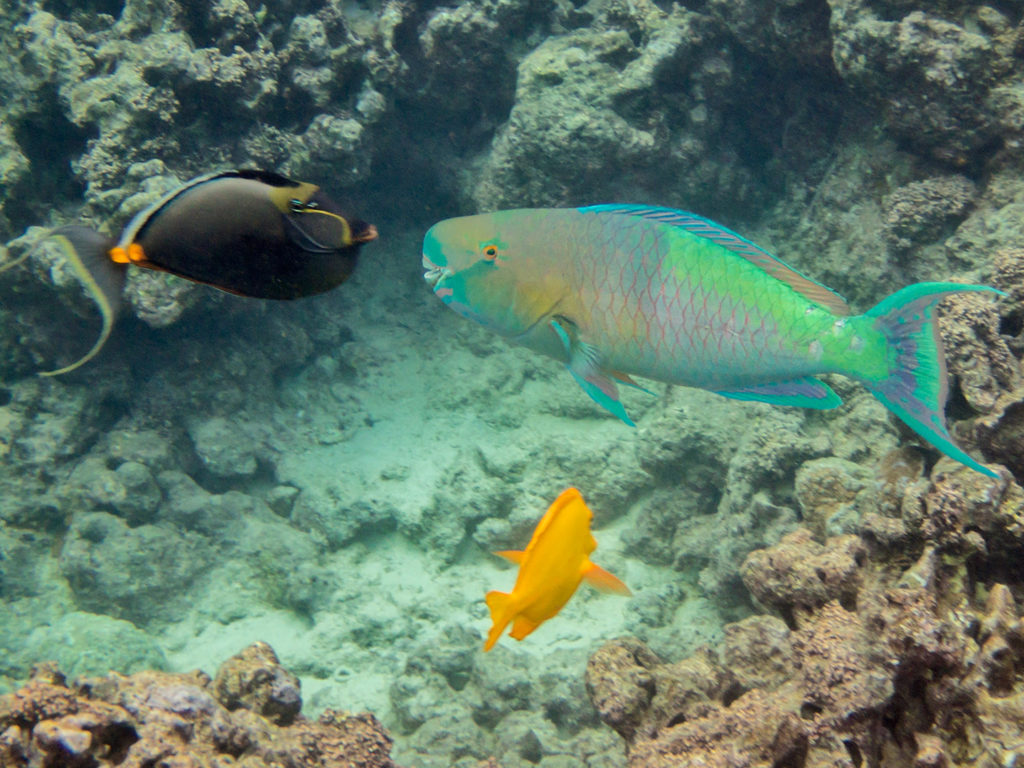
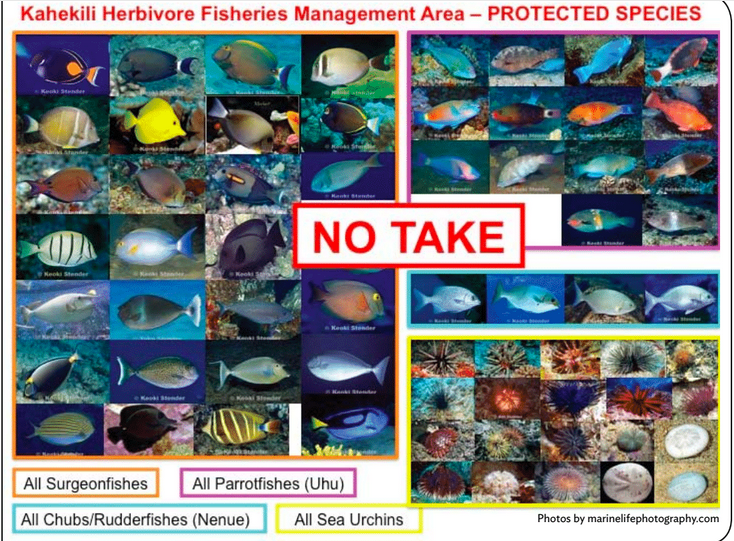
Herbivorous fish are fish that consume algae and seaweed. These fish include surgeonfish, parrotfish and chubs. The fish were being harvested for human food, leaving the reef defenseless against the onslaught of algae. The increase in algae resulted in the declining coral cover.

As a result, the DAR initiated discussions about the herbivore management area and got very good support from local long-time fishing families from the area, and from recreational fishing advocates such as Darrel Tanaka, Brain Yoshikawa and others. As a result, fishing for herbivores (such as parrotfish) was banned at Kahekiki, along with the taking of sea urchins. The program also prohibited the feeding of fish, because such activity decreases fishes’ natural appetite for seaweed.

Furthermore, marine biologist advocates such as Liz Foote and many others have helped move the effort forward and helped involve citizens and educate the public to improve compliance.

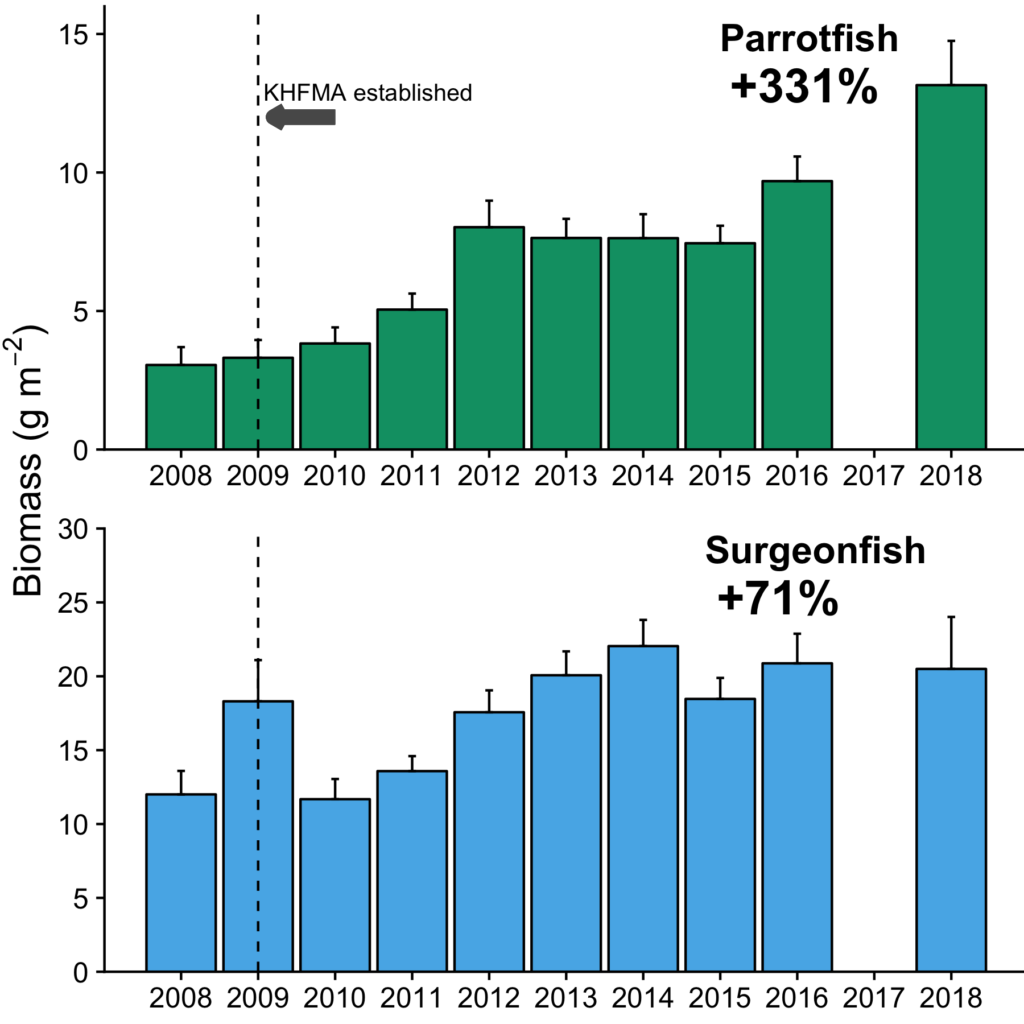
These new controls and outreach efforts have worked. Since the management area went into effect in 2009, there has been a 331% increase in parrotfish biomass at this reef, meaning that parrotfish have been growing to a larger size (which means they are better algae grazers) and are found in greater numbers. Surgeonfish increased 71% from 2008/09 to 2018 in this area. (See poster at https://www.eposters.net/pdfs/the-kahekili-herbivore-fisheries-management-area-enhancing-resilience-of-a-reef-showing-signs-of.pdf.)

Best of all, the seaweed and microalgae were reduced greatly, down to almost nothing. Success!

Current evaluation of the effectiveness of the area has been conducted with a partnership between DLNR/DAR and the NOAA science center (Dr. Ivor Williams).  This collaborative effort has allowed DAR  to conduct extensive yearly monitoring assessments and measure the response of the area to the management efforts.

Which takes us back to the question of managing reefs vs. managing humans. Human behavior can be managed, through education and effective management rules.  The results at Kahekili offer hope for what can be accomplished at other reefs throughout Maui Nui.


Why do corals bleach?

in /by


There are many news stories about coral bleaching that’s occurring around the world. But what exactly is coral bleaching — and what can you do about it?

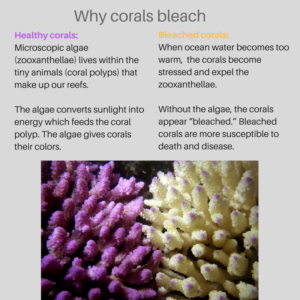
To understand, we need to look at the mutually beneficial (symbiotic) relationship that corals have with a type of microscopic one-celled algae known as zooxanthellae.

The algae lives right within the tiny living animals known as coral polyps that make up our reefs. The corals provide a home for the algae. In turn, the algae converts sunlight into energy and provides that nourishment to the coral polyp. The algae also gives corals their colors. It’s a win-win for both the coral polyp and the algae.

DCIM100GOPRO


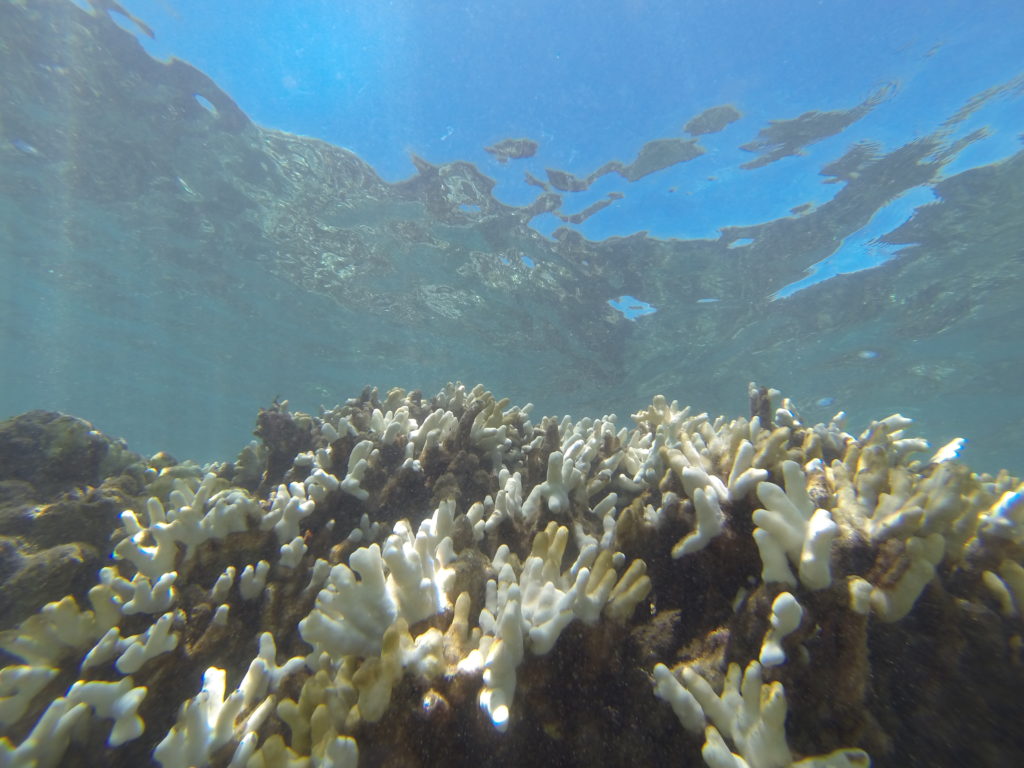
Corals do best when ocean water is between 73 degrees F and 84 degrees  F. If the water becomes too warm or if it contains toxic chemicals, the corals expel their symbiotic algae. Without the algae, the corals appear white or “bleached.”

Unfortunately, bleached corals are more susceptible to death and disease.

Severe bleaching events occurred in Hawaii in 2014 and 2015, when ocean temperatures reached 88 degrees F.

In August 2014, warm weather in the North Pacific Ocean caused bleaching throughout the Hawaiian islands. More severe bleaching occurred in the summer of 2015.

Official reports state that 20 to 40% of Maui’s corals were lost following the 2015 bleaching event.

What can you do to prevent coral bleaching?

First, become an advocate in the fight to stop climate change. Do all you can to reduce your carbon footprint. Install a solar PV system at your home. Switch to LED lights. Buy a fuel-efficient hybrid or an electric car fueled with solar power. Drive less, and bike or walk more. Choose foods from local farms or local sources. Eat one or more vegetarian meals per week.

Second, help address other serious causes of stress to our coral reefs. For example, sediment run-off and near shore ocean water pollution are not international problems. These problems begin right here on the islands of Maui County and can be solved right here by people working together.

Last, avoid sunscreens with oxybenzone and octinoxate, two chemicals known to damage or kill corals. For more info visit here.

Learn more! Read the State of Hawaii Coral Bleaching Recovery Plan.

Maui ‘Ground Zero’ in Coral Reef Studies – June 22, 2016 MAUINOW.COM

in /by

Several Maui non-profits are participating in the International Coral Reef Symposium taking place this week at the Honolulu Convention Center on Oʻahu.

With one of the most extensive coral reefs communities in Hawaiʻi, Maui County has been an especially important ground-zero for coral reefs studies and community-led action.

Lessons learned from Maui’s community-based reef management, watershed partnerships, long-term reef monitoring studies, and citizen science programs are being shared throughout the conference.

Visit MNMRC’s Reef Safe Sunscreen booth at the IWT- Maui Aloha Classic 2017

in /by

When: Sunday, October 29

Time: 8:30 to 5:00 pm

Where: Ho’okipa Beach Park

What: Maui Nui Marine Resource Council and Maui Visitors Bureau’s Reef Safe Sunscreen information booth at the International Windsufing Tour (IWT) Maui Aloha Classic 2017.

Did you know that common ingredients in many popular sunscreen brands can quickly cause coral bleaching and harm the coral’s ability to grow and reproduce? Maui Nui Marine Resource Council and Maui Visitors Bureau will be hosting a sunscreen info booth where you can get help evaluating your current sunscreen, pick up free samples of sunscreen that’s safer for the reefs and learn more how you can safely protect your skin AND the reefs.

MNMRC Submits Testimony in Support of Maui County Ban on Sunscreen Products with Oxybenzone and Octinoxate

in /by

KIHEI, HI — November 30, 2017 — Maui Nui Marine Resource Council has submitted written testimony to the Maui County Council in support of a proposed County law that would ban SPF sunscreen products containing octinoxate and oxybenzone.

The testimony states, “We are strongly in support of passage of Bill 17-179 – ‘Prohibiting the Sale and Use of SPF Sunscreens Containing Oxybenzone and Octinoxate’ because it aligns with our mission of protecting Maui’s coral reefs. Protecting our reefs includes taking all reasonable steps to keep known pollutants out of our coastal waters.”

According to MNMRC’s testimony, Dr. Craig Downs has provided compelling scientific evidence that oxybenzone and octinoxate, ingredients found in many popular sunscreen products, harm and kill corals. This is especially problematic in reef areas that are popular snorkeling locations. The sunscreen used by snorkelers in these areas washes off and pollutes the reef, and damages the coral that is the essential foundation of the reef ecosystem.

The testimony acknowledges the value of Maui’s visitor industry to the local economy, and the importance that visitors place on snorkeling and diving at Maui’s coral reefs. According to MNMRC, passage of Bill 17-179 will protect Maui’s reefs, the visitor industry and the economy.

“We are convinced that visitors will be grateful and impressed that Maui cares about our coral reefs and takes the necessary step of banning sunscreen ingredients that are harmful to our reefs,” states MNMRC in its testimony. “We believe that publicity about this new law will be good for Maui and will build upon Maui’s appeal as a visitor destination.”

Maui Nui Marine Resource Council Board Member Michelle Griffoul has actively worked with snorkel tour operators to help them obtain affordable sunscreens that are free of oxybenzone and octinoxate to dispense on their cruises. “This is a good first step and has been positively received by visitors on these cruises,” notes MNMRC’s testimony. ” The next step is up  to our Maui County Councilmembers to protect Maui’s coral reefs by passing Bill 17-179 and prohibiting the sale and use of SPF sunscreens containing oxybenzone and octinoxate.”