Posts

Free Presentation on “Proposed Use of Oysters for Water Quality Improvement in Ma’alaea Harbor”

1 Comment/in /by

The public is invited to a free presentation on a proposed plan to use oysters to improve ocean water quality in Ma’alaea Harbor during Maui Nui Marine Resource Council’s monthly meeting on Wednesday, December 5, from 5:30 pm to 7:30 pm.

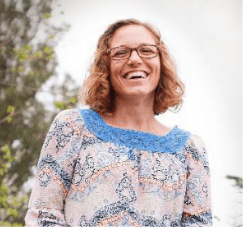
The presentation will be offered by Rhiannon “Rae” Tereari‘i Chandler-‘Īao, Executive Director and O‘ahu Waterkeeper for Waiwai Ola Waterkeepers Hawaiian Islands. It will take place at Pacific Whale Foundation’s classrooms at the Ma’alaea Harbor Shops, 300 Ma’alaea Road. Admission is free and refreshments will be served.

Oysters are filter feeders that remove pollutants from the water column including sediment, bacteria, heavy metals, PCBs, oil, microplastics, oxybenzone, and other harmful sunscreen-related chemicals. Oysters also digest the type of bacteria that cause skin-borne illnesses such as Staph and MRSA. These oysters are for restoration, they cannot be consumed. Oysters for consumption are grown in clean water only.

Oysters are currently at work in harbor waters of New York and New Jersey, where Waterkeeper Alliance member projects have installed more than 42 million oysters to help clean the water and protect the coastline from wave action. Similar efforts are also being employed in Baltimore’s Chesapeake Bay to improve ocean water quality.

Pacific oysters, the type of oyster considered for the pilot project in Ma’alaea Harbor, were originally introduced by the State in the 1950’s and 1960’s and are found in locations throughout the Hawaiian Islands. Adult Pacific oysters can filter more than 50 gallons of water per day. The proposed pilot project would involve the installation of approximately 1,000 oysters in cages beneath the docks of Ma’alaea Harbor away from boat traffic. Trained staff and volunteers will monitor the oysters to evaluate survival rates and their success in improving water quality. At the end of one year, the pilot project will yield a report to help determine the feasibility of expanding the project within the harbor.

“In 2017, Hawai‘i’s Department of Land and Natural Resources (DLNR), Division of Aquatic Resources (DAR) conducted a successful grow trial using Pacific oysters,” says Chandler-‘Īao “This DAR study, conducted in West Loch, demonstrated the oysters’ ability to remove various pollutants water column. We’re excited to see what is possible to improve conditions in Ma‘alaea Harbor.”

Maui Nui Marine Resource Council (MNMRC) is partnering with Waiwai Ola Waterkeepers Hawaiian Islands to conduct the one-year pilot oyster project in Ma’alaea Harbor. The project is part of MNMRC’s overall plan to address land-based impacts to water quality in Ma’alaea Bay.

Recently, MNMRC commissioned and funded a study of the watershed that drains into Ma’alaea Harbor. With the study in hand, the nonprofit is now evaluating recommendations for action steps, and will be selecting those that can be implemented in 2019 and beyond. “We are looking at ways we can work upslope to improve water quality throughout Ma’alaea Bay,” notes Amy Hodges, Programs Manager at Maui Nui Marine Resource Council, who has been meeting with local landowners, MECO, Hawai‘i’s Division of Forestry and Wildlife, Ma’alaea Community Association, and others to talk about ocean water quality in Ma’alaea.

“Ma’alaea Bay is home to a popular surf break, beaches, a sea turtle feeding area, fishing areas, and coral reefs both inside and outside the harbor,” says Hodges. “Improving water quality in the harbor will benefit recreational users of the area and help marine wildlife.”

At the meeting, MNMRC will provide information on new volunteer opportunities associated with this project, including helping MNMRC regularly monitor the oysters and clean the cages to remove excess algae.

Doors will open at 5 pm, with complimentary holiday-themed refreshments. The presentation will begin at 5:30 pm and will include time for questions and comments from the public. To learn more, visit www.mauireefs.org.

About our presenter:
Rhiannon “Rae” Tereari‘i Chandler-‘Īao serves as the Executive Director and O‘ahu Waterkeeper for Waiwai Ola Waterkeepers Hawaiian Islands. She earned a B.A. in Ethnic Studies from the University of Hawai‘i at Mānoa in 2004. After graduating from William S. Richardson School of Law in 2016 with certificates in both Native Hawaiian Rights Law and Environmental Law, she worked as a Post J.D. Research & Teaching Fellow at Ka Huli Ao Center for Excellence in Native Hawaiian Law. Prior to attending law school, Rhiannon served as the Executive Director of the environmental non-profit organization Community Work Day Program, d.b.a. Mālama Maui Nui. While on Maui, she served as a member of the Maui County Cultural Resources Commission, the Maui Nui Marine Resource Council, and the Steering Committee of Ka Ipu Kukui Fellows Leadership Program.

About Maui Nui Marine Resource Council:
Maui Nui Marine Resource Council is a nonprofit organization based on Maui, dedicated to healthy coral reefs, clean ocean water and abundant native fish. Founded in 2007, Maui Nui Marine Resource Council is celebrating its 11th anniversary this year. Some of the organization’s accomplishments include:

• Formation of Maui Coral Reef Recovery Team and the Maui Coral Recovery Plan, the first of its kind in the state.

• Forming Community Managed Makai (CMMA) areas, in which local residents work together to manage their marine resources.

• Creating Hui O Ka Wai Ola in partnership with The Nature Conservancy and West Maui Ridge to Reef. This volunteer citizen-based ocean water quality testing program is now in its 2nd year of testing ocean water quality at 39 locations along Maui’s south and west shorelines every 3 weeks.

To learn more, visit www.mauireefs.org
Public Invited to Free Presentation on Impacts of Climate Change on Maui’s Coastal Areas 

in /by

The public is invited to learn more about the impacts of climate change on Maui’s coastal areas, including big waves, flooding, erosion and more, at Maui Nui Marine Resource Council’s meeting on Wednesday, July 11. The meeting takes place from 5 to 7 pm at Pacific Whale Foundation’s classrooms at the Ma’alaea Harbor Shops. All are invited.

The climate change presentation will be offered by these guest presenters:

– Bradley Romine, PhD, Coastal Management and Resilience Specialist, University of Hawaii Sea Grant Program, Center for Coastal and Climate Science and Resilience.

– Tara Owens, Coastal Processes and Hazards Specialist, University of Hawaii Sea Grant College Program (partnered with Maui County’s Planning Department).

Attendees are welcome to bring questions about managed retreat, beach replenishment and other issues relating to the impact of climate change on Maui’s shorelines.

The meeting is free and open to all. Refreshments will be provided.

Established in 2007, Maui Nui Marine Resource Council (MNMRC) is a community-based nonprofit dedicated to clean ocean water, healthy coral reefs and abundant native fish for Maui County. The meeting will include updates on our projects, including the Hui O Ka Wai Ola water quality monitoring program, Olowalu coral reef study and efforts to improve water quality in Ma’alaea Harbor. Copies of MNMRC’s 10th anniversary annual report will be available to take home.

To learn more, visit www.mauireefs.org.

Presenter bios:

Bradley Romine, PhD
Coastal Management and Resilience Specialist
University of Hawaii Sea Grant College Program,
Center for Coastal and Climate Science and Resilience

Brad’s role as University of Hawaiʻi Sea Grant extension faculty is to provide bridges between the university, our communities, and government to meet the complimentary goals of conserving coastal environments and reducing natural hazards risk to shoreline development. He works closely with the Office of Conservation and Coastal Lands at the Hawaiʻi Department of Land and Natural Resources (DLNR) and interfaces with other government agencies and the public on collaborative projects to support planning and decision-making based on the latest and best-available coastal and climate science. Recently, he provided scientific and technical guidance to the DLNR for the development of the Hawaiʻi Sea Level Rise Vulnerability and Adaptation Report. He is also leading the development of science-based planning tools and guidance to improve resilience to coastal hazards and sea level rise in Hawaiʻi through funding from the National Oceanic and Atmospheric Administration. Brad completed his PhD in Geology and Geophysics at the University of Hawaiʻi at Mānoa in 2013 and has published research articles on coastal geology, beach processes, shoreline change, and sea level rise impacts in Hawaiʻi.

Tara Owens
Coastal Processes and Hazards Specialist
University of Hawaii Sea Grant College Program

Tara Owens is Extension Faculty with the University of Hawaii Sea Grant College  Program,  specializing  in  coastal  processes  and  coastal  hazards.    Partnered  with  Maui  County’s  Planning  Department,  Tara’s  role  is  to  “bridge  the  gap”  between  science  and  policy  and  planning  for  improved  coastal  management  by  providing  technical  guidance,  consultations,  site  visits,  and  public  outreach.  Tara  also  interfaces  with  other  government  agencies  and  the  public  on  collaborative  projects  pertaining  to   coastal  hazards,  including  beach  erosion  and  sea-level  rise  impacts.   Tara  earned  a  bachelor  of  science  degree  in  marine  science  from  Coastal  Carolina  University,  and  a  master’s  degree  in  coastal  geology  from  the  University  of  Hawaii.   She  was  hired  by  UH  Sea  Grant  and  moved  back  to  Hawaii  in   2010  after  working  for  7  years  in  the  federal  government  at  the  U.S.  Geological  Survey  in  St.  Petersburg,  Florida  and  then  at  the  NOAA  Coastal  Services  Center  in Charleston, SC.

Beach photo by John Seebart

Maui Nui Marine Resource Council May 2 Meeting to Feature Guest Presentation on “Updates on efforts to restore streamflow to Maui’s reefs and effects on fisheries”

in /by

Maui Nui Marine Resource Council invites the public to its next meeting on Wednesday, May 2, featuring guest presentations by Lucienne De Naie and Adriane Raff Corwin.

Lucienne De Naieʻs presentation will be on “Updates on efforts to restore streamflow to Maui’s reefs and effects on fisheries.” Adriane Raff Corwin will be speaking about the Hukilike No Maui Coalition and also efforts to keep harmful sunscreen chemicals out of our nearshore ocean ecoystems.

The meeting will take place from 5 pm to 6:30 pm at Pacific Whale Foundationʻs classrooms at the Maʻalaea Harbor Shops. Admission is free, everyone is invited and refreshments will be provided.

Lucienne De Naie lives in rural east Maui and is active with stream and watershed restoration projects. She is a a founding member and a director of Maui Nui Marine Resource Council, as well as a founding member of Maui Cultural Lands, Inc. and the Maui Coastal Land Trust (now Hawaiian Islands Land Trust). Lucienne has served on the Mayor’s Open Space Zoning Advisory Committee, the Maui General Plan Advisory Committee and serves as Conservation Chair and hike leader for the Maui Sierra Club. She also authored a report on the status of Mauiʻs freshwater resources.

Adriane Raff Corwin is the Sierra Club Group Coordinator. Adriane has been a community organizer for over ten years and received her Master’s Degree in Political Science and Futures Studies from the University of Hawaiʻi at Mānoa.

The meeting will include updates on Maui Nui Marine Resource Councilʻs work as a nonprofit community organization to restore clean ocean water, protect coral reefs and bring back abundant native fish to the nearshore areas of the islands of Maui County.

To learn more about Maui Nui Marine Resource Council, please visit www.mauireefs.org.

Lucienne De Naie

Adriane Raff Corwin


Free presentation on Maui’s coral reef soundscapes to be featured at Maui Nui Marine Resource Council April 4 meeting

in /by

MA’ALAEA, HI – Ever hear the crackling sounds of snapping shrimp while you snorkeled? Those noises are just part of the rich soundscape of a coral reef — soundscapes that can provide helpful clues about the health of the reef. The public is invited to learn more about what was discovered during an acoustic study of seven Maui reefs at a free presentation by Eden Zang at the Wednesday, April 4 meeting of Maui Nui Marine Resource Council.

The meeting will take place from 5 pm to 7 pm at Pacific Whale Foundation’s Discovery Center classrooms at the ocean level of the Ma’alaea Harbor Shops. Admission is free and everyone is welcome.
Eden Zang, Managing Director of Oceanwide Science Institute, will explain how passive acoustic monitoring can be utilized to reveal clues about coral reef communities and will share results from a 16 month acoustic study from seven reefs around Maui.

“The soundscape of coral reefs may provide a way to track animal activities and community level structure,” comments Zang. “To do so, it is critical to identify how reef soundscapes are influenced by biotic (living) and abiotic (non-living) factors, and establish how soundscapes change over time and across habitats.”

“We’re excited about the use of acoustic monitoring to gain more information about our local reefs,” says Robin Newbold, co-founder and chair of Maui Nui Marine Resource Council. “This promises to be a fascinating presentation for anyone who is interested in Maui’s coral reefs.”

Eden Zang joined Oceanwide Science Institute (OSI) in March 2014 as a Research Specialist and is now OSI’s Managing Director. In addition to managing day-to-day operations, Eden’s focus is on processing and analyzing acoustic data, scientific diving, assisting in the coordination of field efforts, and marine mammal vessel based surveys. She has been involved with projects that involve whales, dolphins, fish, marine invertebrates, and effects of anthropogenic noise in the marine environment.

Zang has a B.A. in Human Communication and participated in University of Hawaii’s Marine Option Program. In addition to OSI, Eden is the Maui Marine Mammal Response Network Assistant for NOAA Fisheries, (contractor with Lynker Technologies, Inc.) and has held various positions with private, state and federal organizations in animal husbandry, scientific diving, and protected resource management.

The meeting will also provide updates about ocean water quality testing and other projects that are underway at Maui Nui Marine Resource Council, the host of the meeting. Refreshments will be served. 

Maui Nui Marine Resource Council is a nonprofit organization celebrating its 10th anniversary of working for clean ocean water, healthy coral reefs and abundant native fish for the islands of Maui County. To learn more about Maui Nui Marine Resource Council, visit www.mauireefs.org.

Oceanwide Science Institute (OSI) is a non-profit organization that was founded in April 1998 on the island of Oahu, Hawaii. The mission of OSI is to share knowledge through innovation and expertise. To learn more about Oceanwide Science Institute, visit oceanwidescience.org.

Aquatic Biologist Russell Sparks of Hawaii Department of Aquatic Resources to be Guest Speaker at March Meeting of Maui Nui Marine Resource Council

in , /by

A free presentation offering updates on the State of Hawaii’s management of Maui’s nearshore fisheries and coral reef resources will be featured at the Wednesday, March 7 meeting of the nonprofit Maui Nui Marine Resource Council. The talk will be presented by guest speaker Russell Sparks, Aquatic Biologist of State of Hawaii, Department of Land and Natural Resources, Division of Aquatic Resources. Sparksʻ presentation will also include an update on the status of Mauiʻs reefs following the bleaching event of 2015.

The meeting will take place from 5 to 7 pm at Pacific Whale Foundation’s Discovery Center Classrooms at Ma’alaea Harbor Shops at 300 Ma’alaea Rd, Wailuku (next to Maui Ocean Center). The talk is free and everyone is invited. Refreshments will be served. 

Maui Nui Marine Resource Council (MNMRC) is a Maui-based nonprofit working for healthy coral reefs, clean ocean water and the restoration of abundant native fish in the nearshore waters of the islands of Maui County. 

At the March 7 meeting, MNMRC staff will be offering updates on their recent and ongoing projects, including the expansion of a volunteer-based water quality monitoring program to include 48 sites in South and West Maui and a study of corals off Olowalu. 

Sparks received his B.S. in Biology from Oregon State University. He received his M.S. in Marine Biology from University of Hawaii at Manoa in 1996. Since 1998 Russell has worked for the State of Hawaii, Department of Land and Natural Resources, Division of Aquatic Resources as an education specialist and more recently as an aquatic biologist. He is currently responsible for leading the design, implementation, and overall management of the Maui marine monitoring program, and for working with stakeholders and communities to develop marine management programs aimed at adaptively managing nearshore fisheries and coral reef resources.

To learn more, visit www.mauireefs.org. 

Using Algal Turf Scrubbers  to Improve Wastewater Quality to be Subject of February 7 Meeting of Maui Nui Marine Resource Council

in /by

The public is invited to attend a free presentation on harnessing local algae and sunlight to improve the quality of treated municipal wastewater at the Wednesday, February 7 meeting of the nonprofit Maui Nui Marine Resource Council. 

The meeting will take place from 5 pm to 7 pm at Pacific Whale Foundation’s classrooms at the Harbor Shops at Maʻalaea at 300 Maʻalaea Road. Refreshments will be served. 

Guest presenter, Travis Liggett, will be speaking about Algal Turf Scrubbers, a cutting-edge technology which can improve wastewater quality by harnessing local algae and sunlight to lower nutrient levels, increase oxygen concentration, and reverse acidification in wastewater. 

“Algal Turf Scrubbers have a place on the island of Maui to provide an added stage of treatment to municipal wastewater before entering the marine environment via injection wells serving Kahului-Wailuku, Kihei-Wailea and Lahaina,” says Liggett. 

Liggett holds a MS in Aerospace Engineering from University of Colorado Boulder and a BS in Mechanical Engineering from University of California, Berkeley. He served as an Algae Manager at Maui Tropical Algae Farm and also worked as an Aerospace Research Engineer with NASA.  Mr. Liggett is working with Dr. Dean Calahan, a Smithsonian researcher focused on expanding the use of Algal Turf Scrubber technology.

Liggett holds a MS in Aerospace Engineering from University of Colorado Boulder and a BS in Mechanical Engineering from University of California, Berkeley. He served as an Algae Manager at Maui Tropical Algae Farm and also worked as an Aerospace Research Engineer with NASA.

The evening will also include a discussion about general wastewater issues on Maui, including the 12,000 cesspools located here, which handle 7.9 million gallons of untreated wastewater per day.

Dana Reed, West Maui Regional Coordinator of Hui O Ka Wai Ola, the ocean water quality testing program led by Maui Nui Marine Resource Council, The Nature Conservancy, West Maui Ridge 2 Reef and University of Hawaii Maui College, will be presenting some preliminary findings about ocean water quality at West Maui beaches and the Hui’s efforts to use algae (limu) to collect more information about Maui’s coastal water.


January Meeting of Maui Nui Marine Resource Council to Feature Guest Presentation on Auwahi Forest by Dr. Arthur Medeiros

in /by

MAʻALAEA, MAUI, HI — The January meeting of the nonprofit Maui Nui Marine Resource Council will feature a guest presentation by research biologist Dr. Arthur Medeiros about the Auwahi Forest Restoration Project.

The meeting and presentation will take place on Wednesday, January 3 from 5 pm to 7 pm at Pacific Whale Foundationʻs classrooms at the Maʻalaea Harbor Shops, 300 Maʻalaea Road, Wailuku. The event is free and open to the public. Refreshments will be served.

“The Auwahi leeward forest was previously known to be among the most diverse of Hawaiian ecosystems,” reports www.auwahi.org, the website of the Auwahi Forest Restoration Project. “Currently, Auwahi is among the world’s most endangered tropical dry forests with 9 species listed as Endangered with the U.S. Fish and Wildlife Service and 7 listed as endangered with IUCN Red List status.”

Born and raised in Hawaiʻi, Dr. Medeiros is a research biologist with U.S. Geological Survey and has over 30 years of field experience studying Hawaiian ecosystems. He works with private and public landowners and the public to develop community- and science-based forest restoration projects, including Auwahi dryland forest.

“As part of our work to prevent sediment run-off that threatens Mauiʻs coral reefs, we support the efforts to restore the dryland forests of Maui,” says Robin Newbold, co-founder and Chair of Maui Nui Marine Resource Council. “Forests and trees play an important role in preventing soil from becoming runoff that washes into the ocean during rainstorms.”

Maui Nui Marine Resource Council is celebrating 10 years of working to restore coral reefs, clean coastal water and abundant native fish to Mauiʻs nearshore areas. The January meeting will include updates on their projects including

– A study of the DNA of corals off Olowalu to evaluate the coralsʻ reactions to environmental stressors
– Ongoing ocean water quality testing at 36 sites along South and West Mauiʻs shorelines
– Efforts to prevent sediment run-off, including best practices guidelines for construction sites

To learn more, visit www.mauireefs.org.

MNMRC December Meeting on Weds., Dec. 6 to Include Guest Presentation about Paniaka Wetland at Makena State Park

in /by

The public is invited to attend the Wednesday, December 6 meeting of Maui Nui Marine Resource Council, which will include a guest presentation about plans to restore Paniaka Wetland at Makena State Park. The meeting is free and open to all.

The meeting will take place from 5 to 7 pm at Pacific Whale Foundation’s classrooms at Ma’alaea Harbor Shops. Guest presenter Elizabeth Speith, Paniaka Wetland Restoration Coordinator at Pacific Whale Foundation, will present plans to restore the native flora and fauna within and around the wetland. She will also explain the restoration goals and timeline for the project.

The meeting will also include an update on Maui Nui Marine Resource Council’s pilot program to examine the feasibility of restoring oysters to Maui harbors and bays to help clean ocean water. In addition, the meeting will include an update on the proposed Maui County ban on sunscreens containing oxybenzone and octinoxate and an opportunity to learn more about the group’s recently launched South Maui water quality testing program.

Refreshments will be provided.

Maui Nui Marine Resource Council is a community-based non-profit organization working for healthy coral reefs, clean ocean water and an abundance of native fish for the islands of Maui County.

Photo courtesy Pacific Whale Foundation.