Blog Archives: Blog

Volunteer Day Recap: Keālia Boardwalk

in , /by

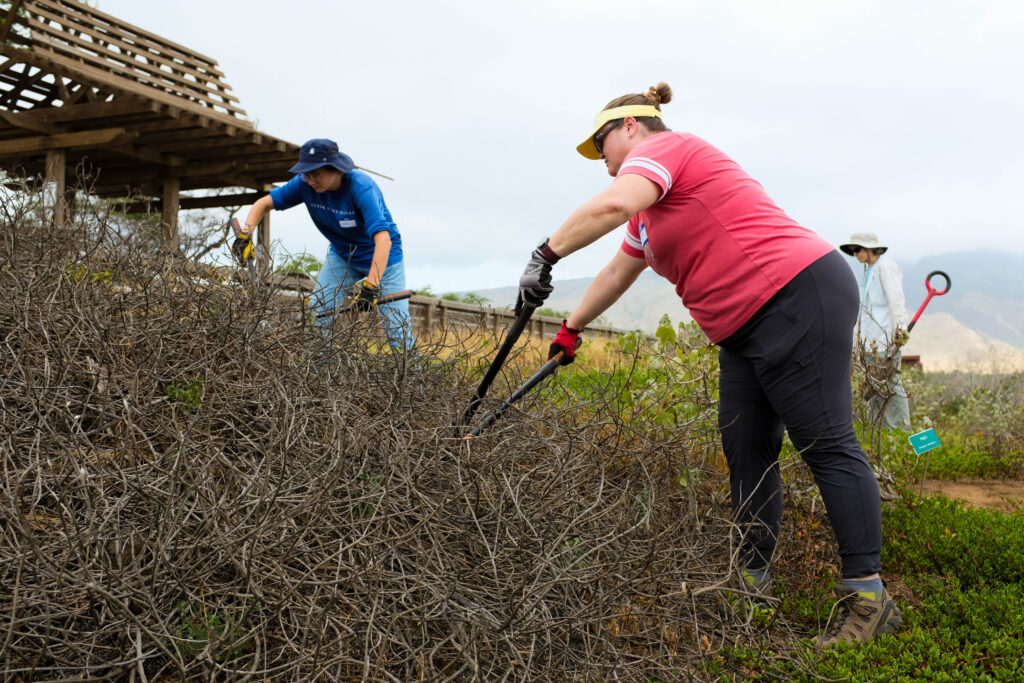
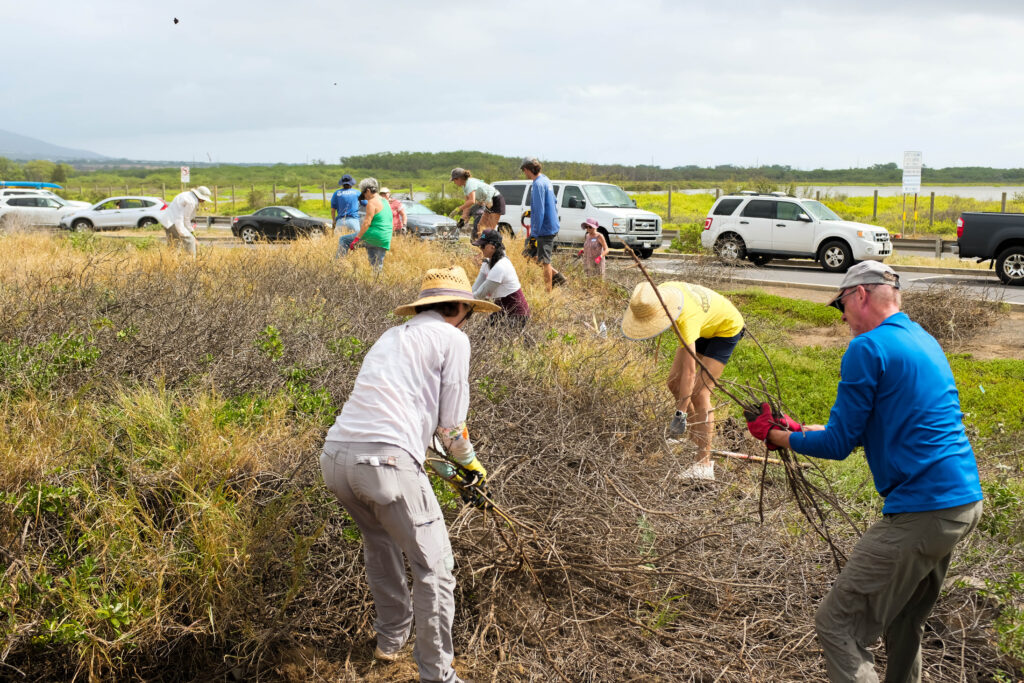
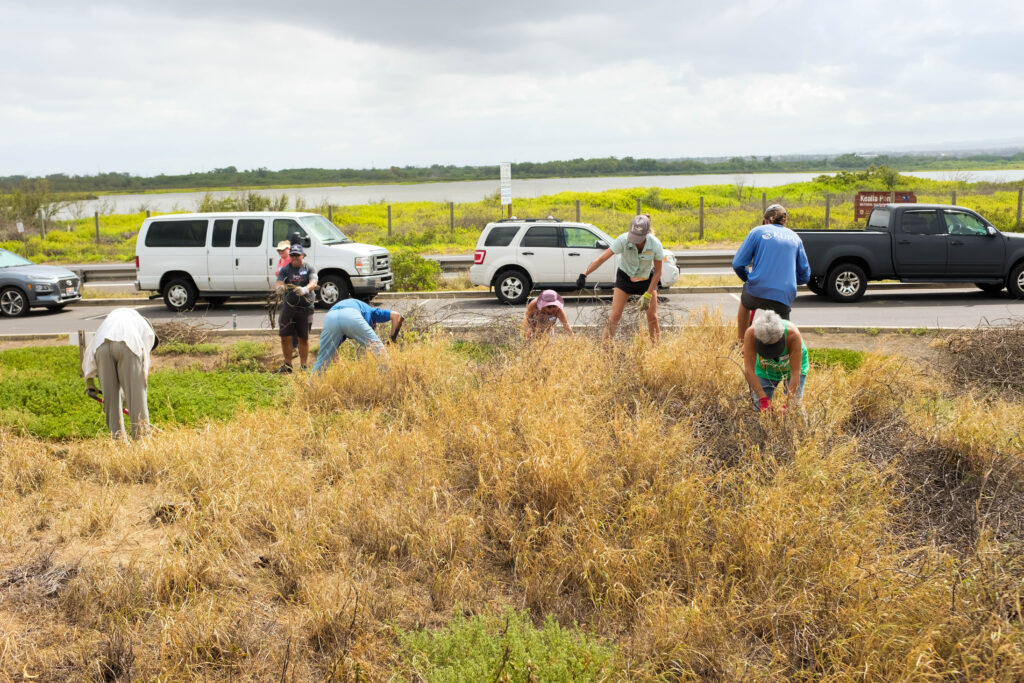
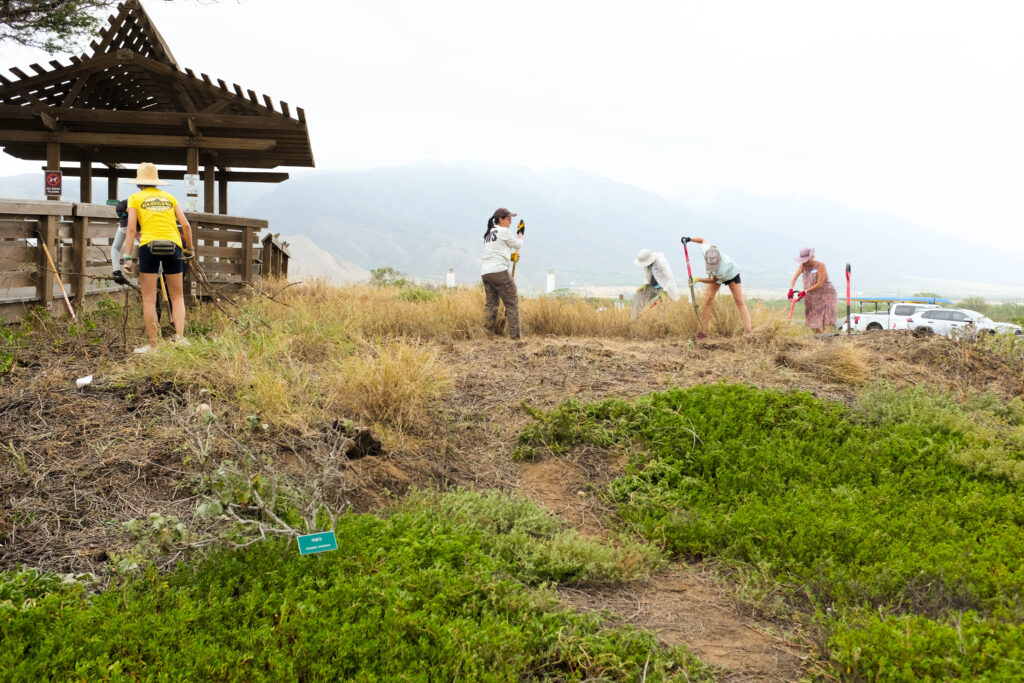
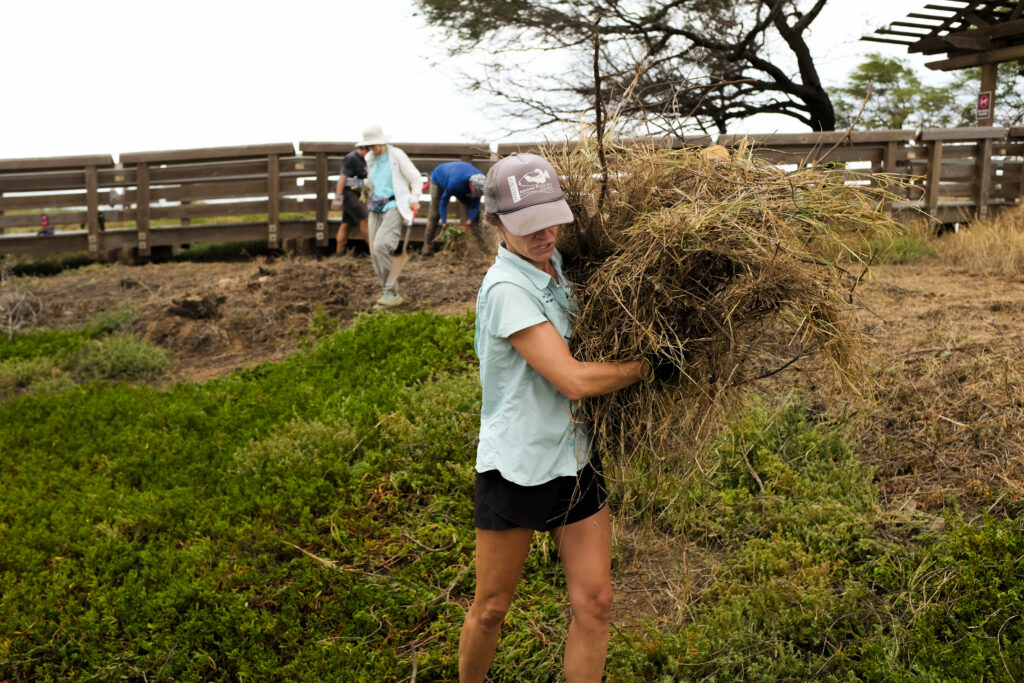
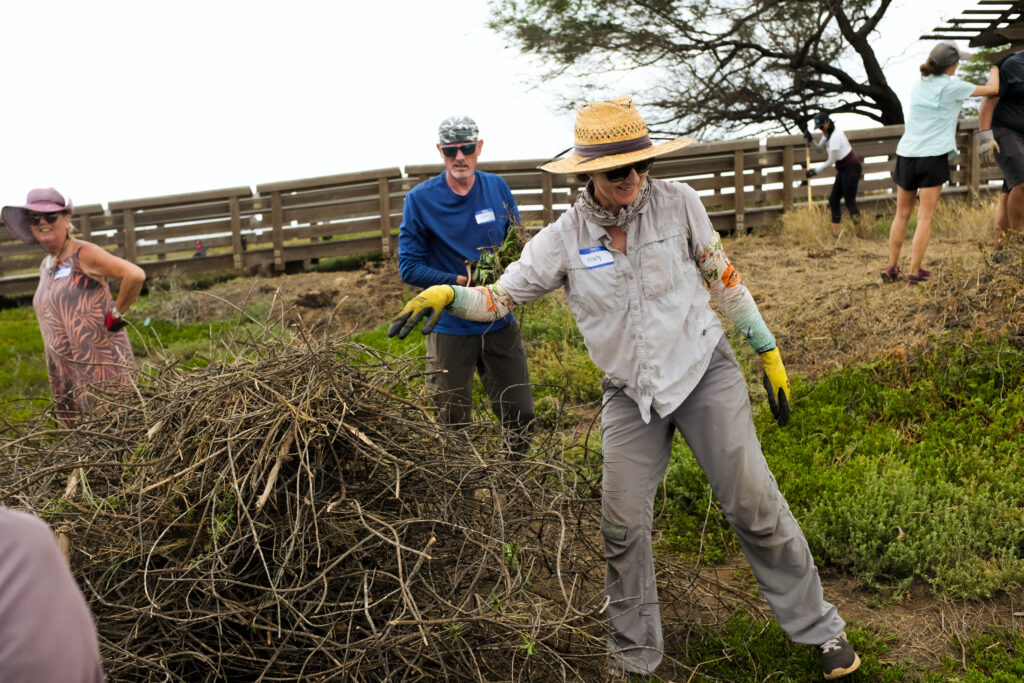
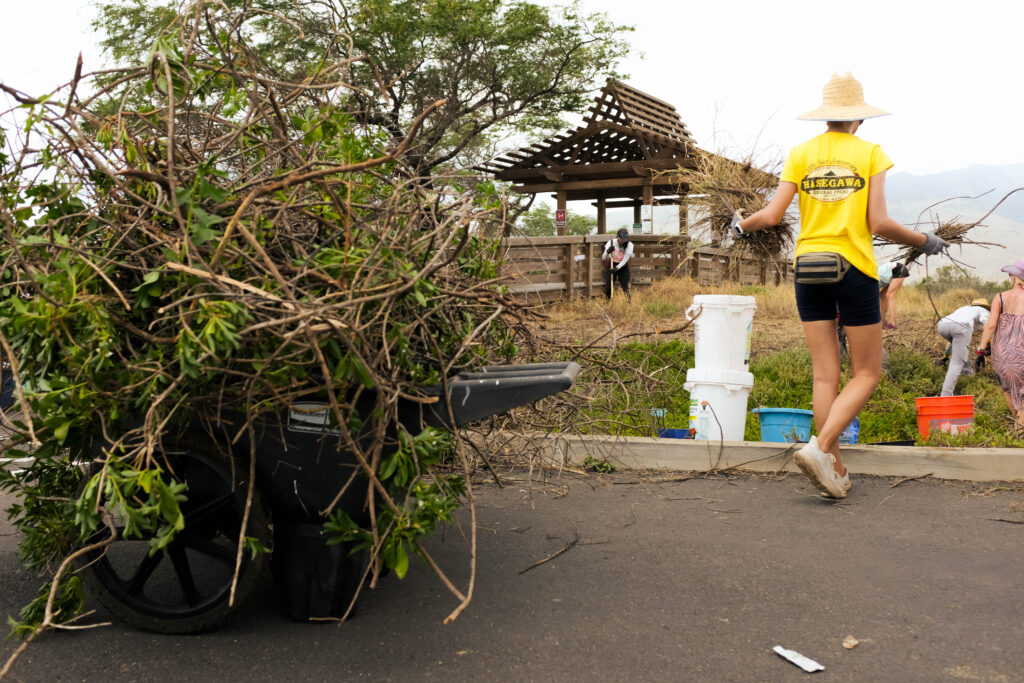
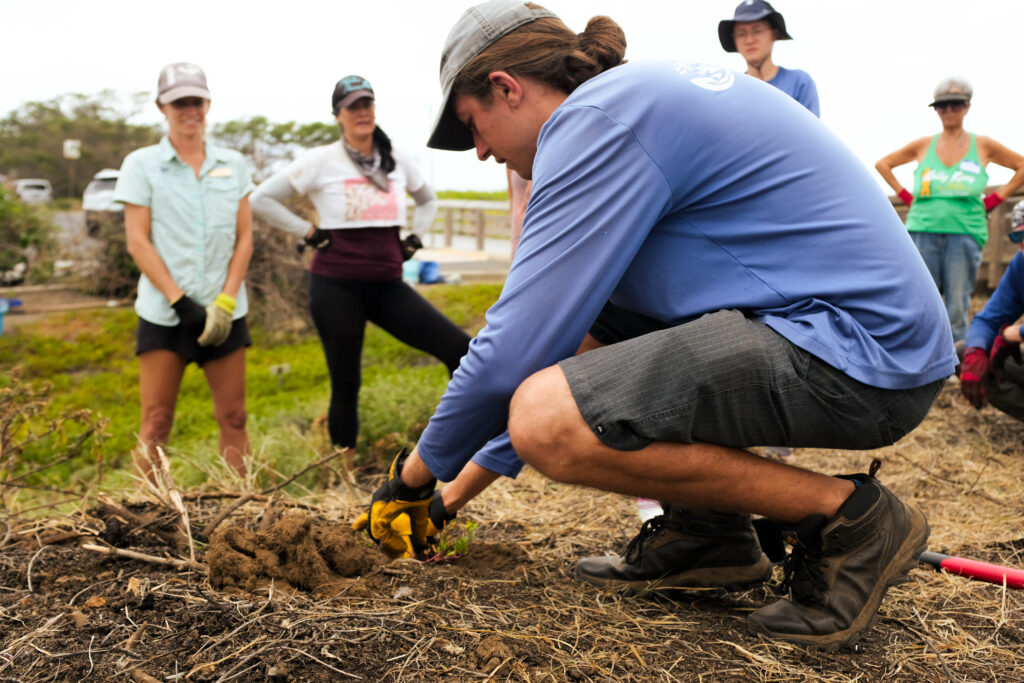
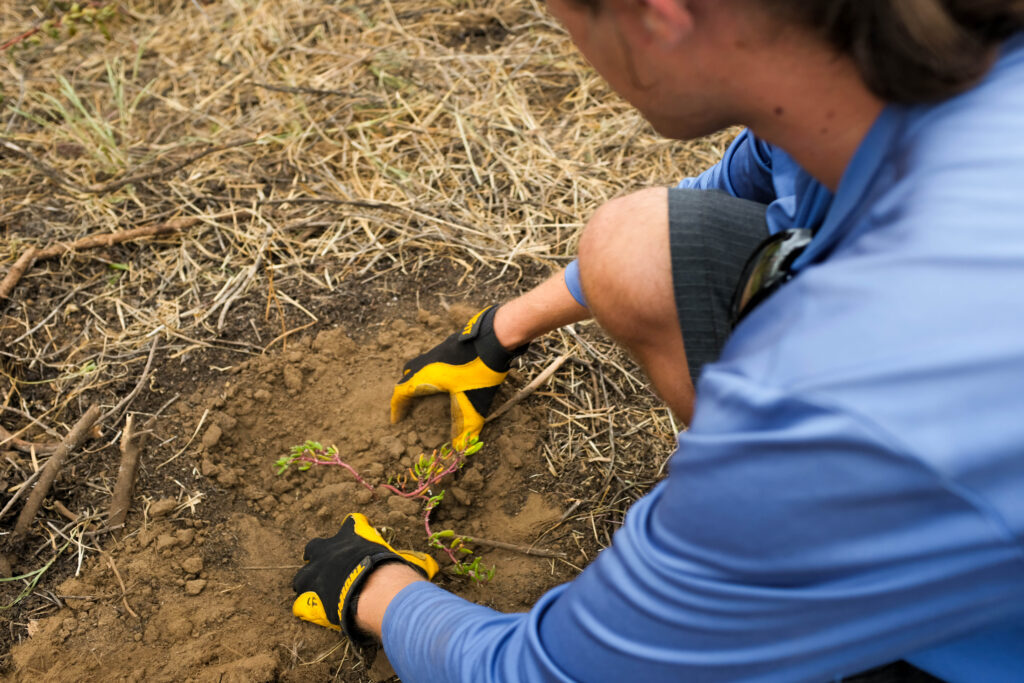
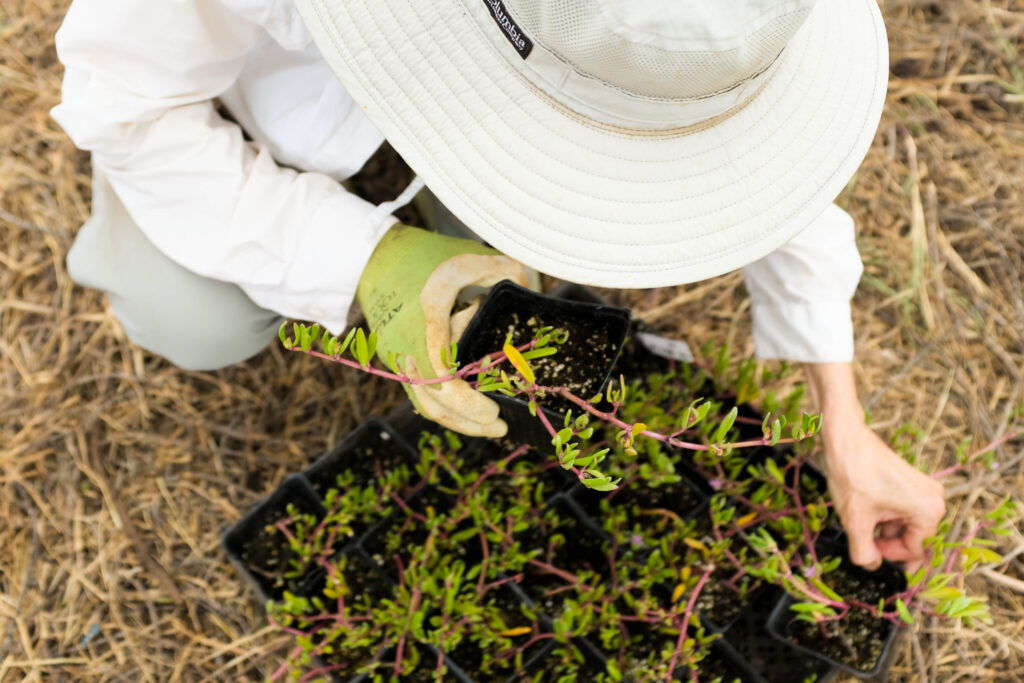
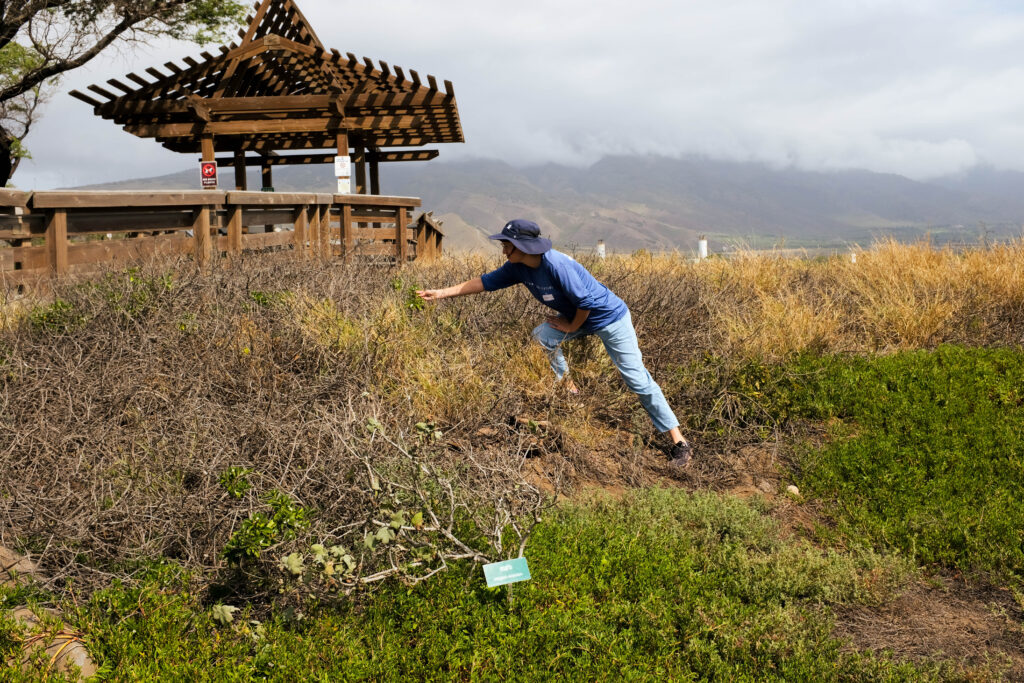
On Saturday, May 18 a group of MNMRC volunteers gathered at the Keālia Boardwalk to cut and uproot dead and invasive plants that had overtaken the area. The team worked with Allysa, Maddie, and Caden from the Keālia National Wildlife Refuge to clear out the equivalent of 5 large truckbeds of grass, roots, and other debris. At the end of the morning, volunteers worked together to plant Akulikuli around the newly cleared area, hoping to repopulate it with the healthy growth of a native plant.


Mahalo nui to all of our wonderful volunteers who joined us this month! We look forward to hosting you again at the next volunteer day.


Maui’s Historic Pineapple Farm Launches Reef-Friendly Landscaping Test Plot

in /by

Agriculture has a long and storied history in the Hawaiian islands, with its impact spanning generations of local families and thousands of acres of land. In its 2024-2028 strategic plan the Department of Agriculture estimates that Maui County is responsible for around 25% of Hawaiʻi’s overall agricultural production, which includes fruits and vegetables, animals, and even Christmas trees. 


Creating a partnership

Seeing the opportunity to make a positive impact on nearshore reefs, the Maui Nui Marine Resource Council (MNMRC) approached historic pineapple farm Maui Gold in June 2023 about testing its Reef-Friendly Landscaping program (RFL) at their farm in Hailiʻimaile. “We know excess nutrients and chemicals in runoff across the entire island are challenges faced by reefs across our island,” said Jill Wirt, RFL Program Director. “Working with agricultural businesses to minimize the use of chemicals and fertilizers is one way we can address this issue. Maui Gold has already implemented practices similar to RFL, so it was the perfect opportunity to pilot our program on a working farm while supporting their efforts to increase sustainable practices.”

The Reef-Friendly Landscaping Program team met with Darren Strand, Director of Agriculture, and Tambara Garrick, Director of Marketing and Communications in February 2024.


In February, Darren Strand, Director of Agriculture at Maui Gold invited MNMRC to visit the farm and discuss choosing an area for the test plot. Once selected, the test plot would be treated with a biological soil amendment, which is a liquid filled with nutrients and microbes that would nourish crops while enriching the soil at the same time. Made locally by natural land-care company SoilThrive Hawaii LLC, the amendment would be applied via a custom delivery system specifically designed for Maui Gold. After setup, 19 types of soil testing and crop monitoring would be conducted in the test plot throughout the next 18 months –the average lifecycle of a pineapple crop.


Ready to launch

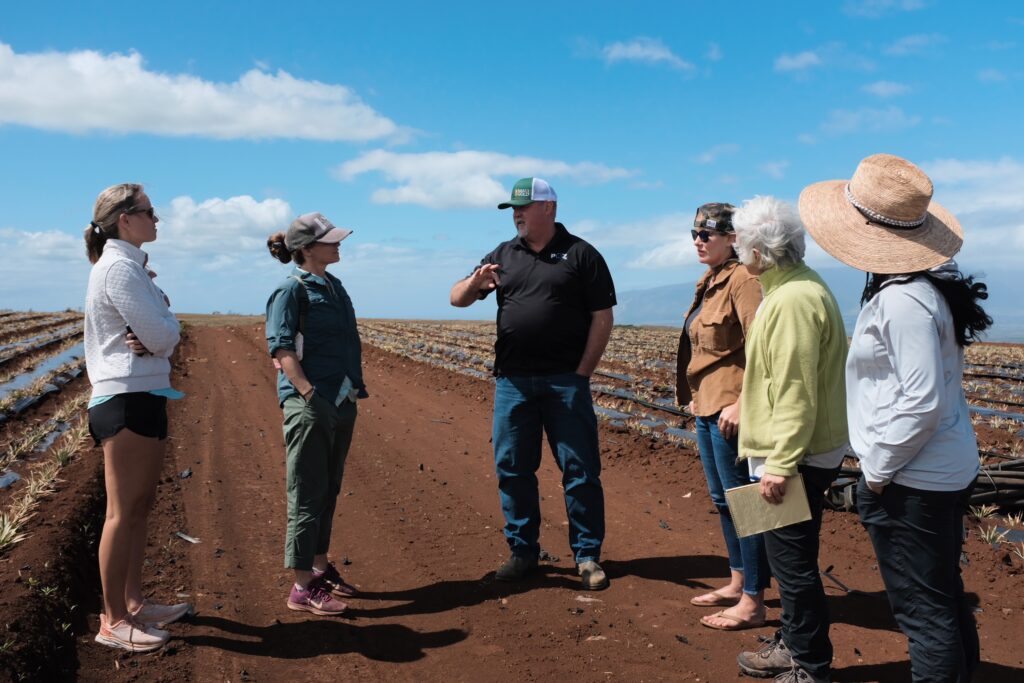
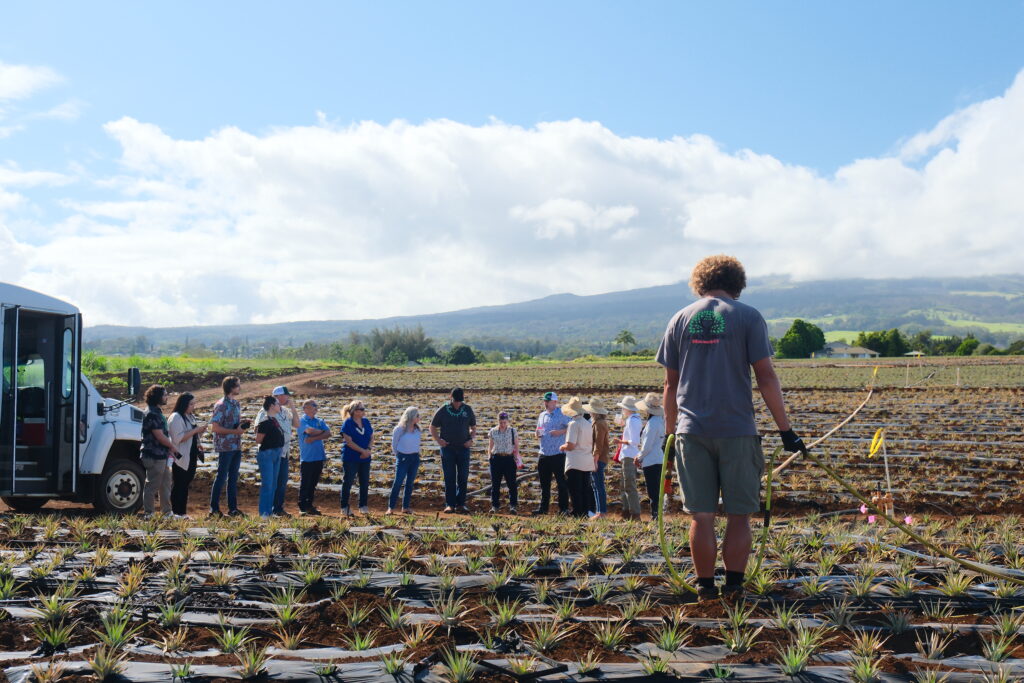
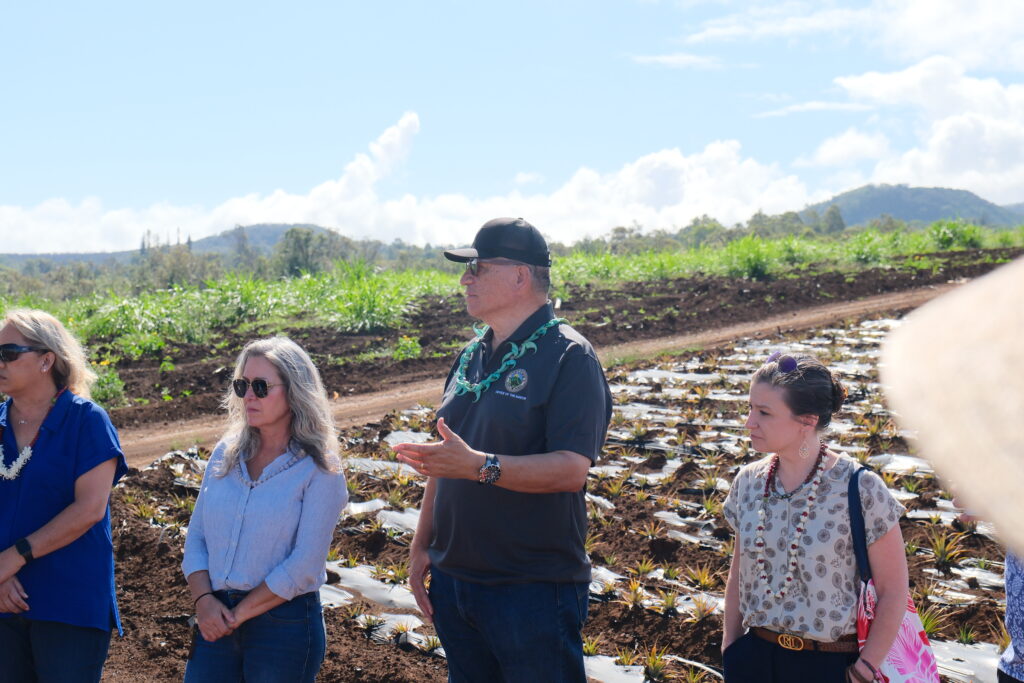
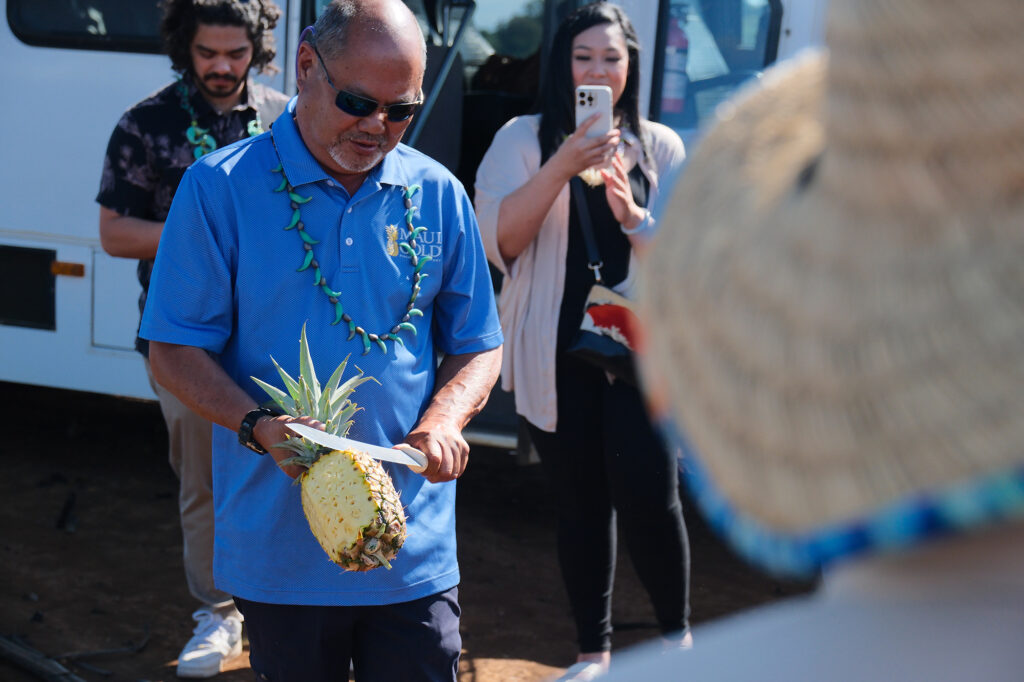
On Wednesday, May 8, Maui Gold officially launched their RFL test plot with County of Maui Mayor Richard Bissen, Hawaiʻi State Senator Lynn DeCoite, and Maui County Councilmember Nohe Uʻu-Hodgins among the guests in attendance. Guests were able to view the test plot and ask questions as it was being prepared by SoilThrive staff. The launch ended with a tasting of pineapples in the field, cut by Rudy Balala, Maui Gold’s General Manager.

“We are thrilled to join forces with the Maui Nui Marine Resource Council to pioneer this Reef-Friendly Landscaping initiative on our farm,” said Strand. “We have always recognized the importance of protecting our natural resources, including Maui’s coastal ecosystems. Continuing to implement more reef-friendly practices is one way we can show our commitment to sustainability and responsible land management.”


A SoilThrive LLC staff member prepares the test site while guests learn more about the Reef-Friendly Landscaping program. (Photo Credit: Maui Gold Pineapple)


Maui County Mayor Richard Bissen asks questions during the site visit. (Photo Credit: Maui Gold Pineapple)


Rudy Balala, General Manager of Maui Gold Pineapple cuts a fresh fruit at the test site for guests. (Photo Credit: Maui Gold Pineapple)


The test plot will be revisited at the end of the 18-month trial period and the data from soil testing will be analyzed to determine the impact of the program. “Maui Gold is our first agricultural partner but we hope that with the results from this test plot, they won’t be our last,” said Wirt. “Working with farms like Maui Gold and agricultural businesses of all sizes is a step in the right direction and we’re looking forward to seeing how it could drive better outcomes for our coral reefs.”


Community-Based Restoration for Maui’s Coral Reefs

in , /by

Despite its critical role in our daily lives, one of Maui’s greatest natural treasures often goes unnoticed beneath the ocean’s surface. Coral reefs are not only home to an array of marine life but are also a key part of the island’s culture and economy. Like many reefs worldwide, Maui’s reefs face a host of threats including warming water temperatures, harmful human activity, and pollution. 

The Maui Nui Marine Resource Council (MNMRC) has a long history of taking action to protect local reefs, from forming the Maui Coral Recovery Team to creating Hawaiʻi’s first reef-friendly landscaping certification program. Most recently, our staff had the opportunity to learn from our partner organization, Kuleana Coral about the restoration techniques they have successfully used at several sites around Oʻahu.
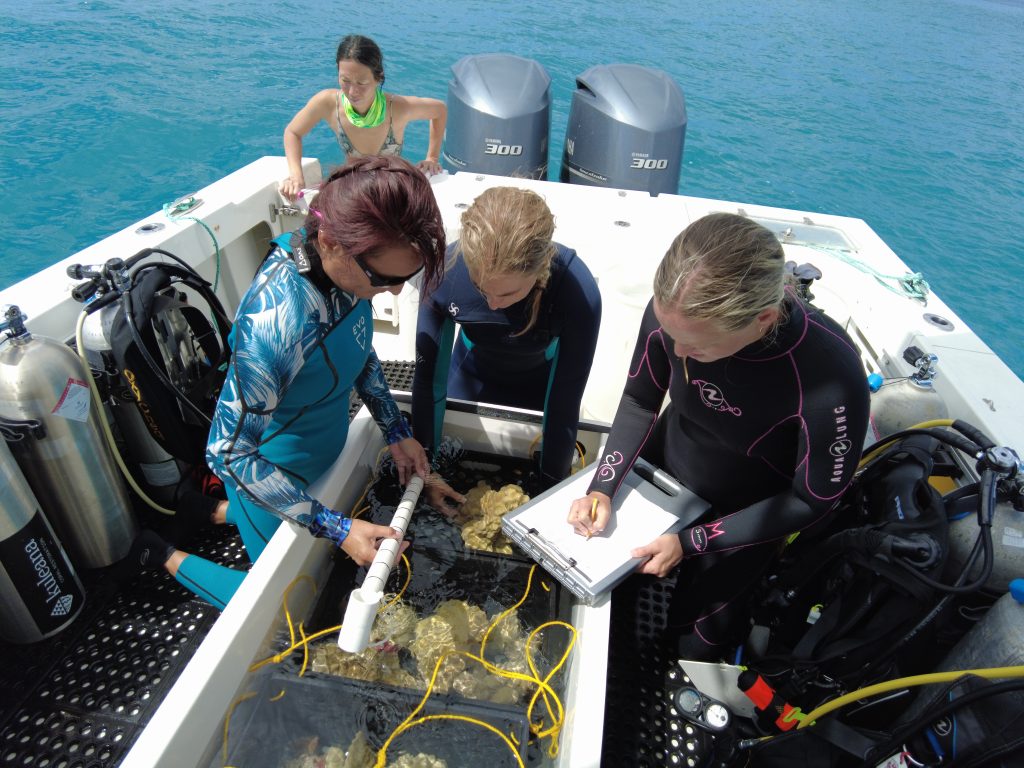
Maui Nui Marine Resource Council staff on a boat assessing corals of opportunity.

MNMRC staff Ylenia St. Louis, Christiane Keyhani, and Jill Wirt learn assess corals of opportunity.

“The vision behind Kuleana Coral’s training program is to make it easier for communities across Hawaii to establish Community Based Coral Restoration Areas (CBCRA),” said Alika Garcia, Co-founder and Executive Director of Kuleana Coral. “By providing this training, we aim to equip organizations with skills to complement their land-based restoration efforts and to support their community’s vision for restoration in their area.” 

Three staff members from MNMRC traveled to Oʻahu in March 2024 to complete the training program, which included one day of in-class learning and three days of dive training and technique instruction. The day of in-class instruction covered best practices for selecting a restoration site, which types of coral are ideal to work with and how to identify them, and how to collect “corals of opportunity,” which are pieces that have either broken off or become dislodged from the larger colony and withstand a low chance of survival without intervention. These are the pieces used for restoration activities and are only collected if they are already unattached when found. 
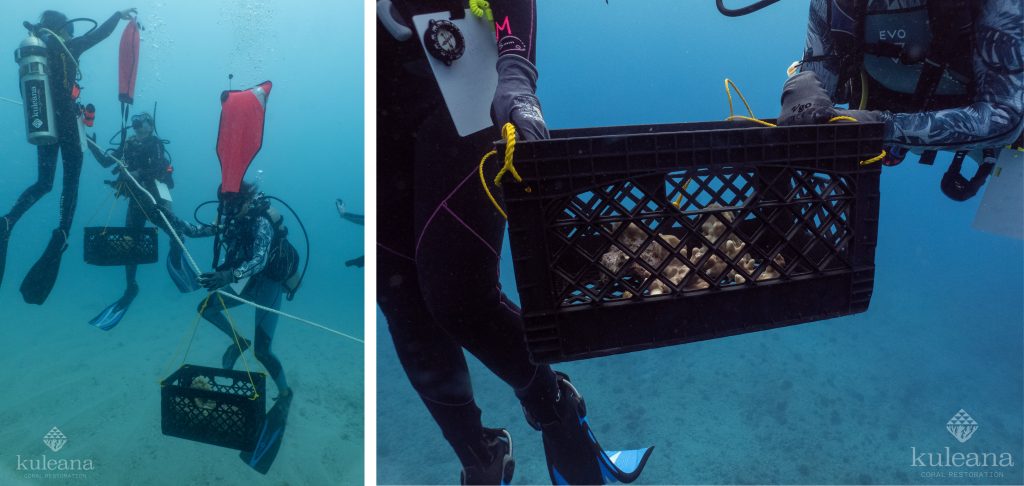
Left: MNMRC staff use lift bags and crates to collect corals of opportunity. Right: Coral of opportunity. (Photo Credit: Kuleana Coral)

After the day of in-class learning, MNMRC staff were trained in two restoration techniques: fragmenting and large rescued coral colonies (LRCs). Fragmenting happens when a grapefruit-sized coral of opportunity is cut into smaller pieces that are around 1-1.5 inches in length. After the fragments are made, they are glued to a “module,” such as a concrete pyramid, with five to six fragments on each of its four sides. These pyramids will then be outplanted into the existing reef habitat if available or other hard substrate that coral can attach to and eventually spread out on. 

The second technique, large rescued coral colonies, is used when a larger piece of coral–around the size of a watermelon–has been dislodged but can be reattached to the reef or other hard substrate. In this method, a pin is inserted into the colony where no live coral tissue is present while a hole is drilled into the bare reef area or other exposed, hard surface in which the pin can be inserted and the large coral reattached. 
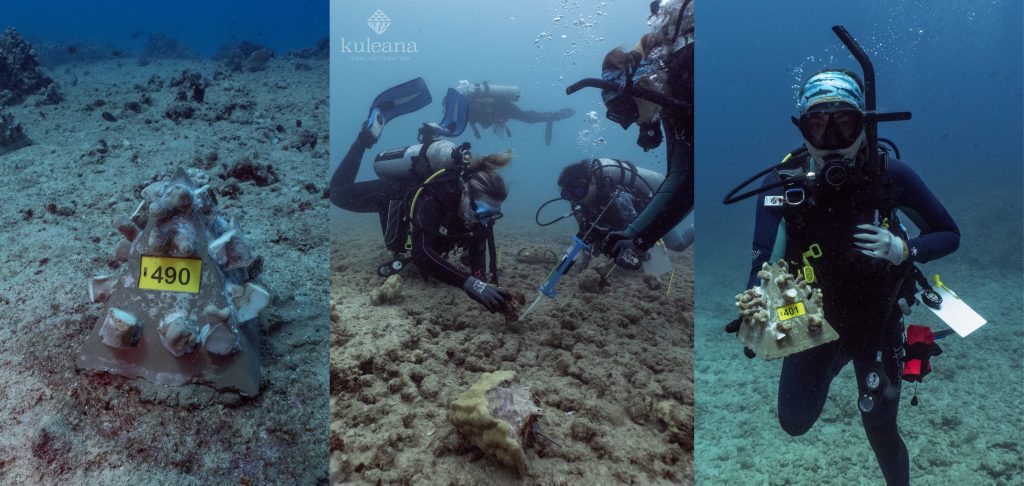
Left: Closeup of an outplanted module. Center: MNMRC staff reattach an LRC to the reef. Right: Hui O Ka Wai Ola Program Director, Christiane Keyhani holds a completed module ready for outplanting. (Photo Credit: Kuleana Coral)

While there are a host of additional measures needed to save our reefs, Jill Wirt, MNMRC’s Program Director, believes restoration methods like fragmenting and reattaching LRCs could prove to be a powerful way to support the community’s vision for the reefs in their area. “We know the goals and priorities of each area will be different, whether it is creating more fish habitats, thermal resilience, more coral cover, or something else,” said Wirt. “By making these restoration techniques available and connecting them to existing land-based restoration efforts, we hope to work with our community to make the change they want to see in their local reefs.”

With restoration training complete, MNMRC is now preparing to apply for State permits that will allow them to conduct restoration work in South Maui. “Kuleana Coral has done an amazing job of showing us how restoration is possible through their Oʻahu sites,” said Wirt. “Now that we can bring these skills to Maui, applying for the required permits to operate on the island is the next step to make this resource available to the community.”

VIDEO (Instagram): Kuleana Coral Restoration Training Recap

Note: Please do NOT touch any live coral without obtaining a permit! Special permits are required for handling coral in Hawaiʻi [SAP 2024-09]

Why Muliwai? The Science of Keeping Dirt off the Reef

in , /by

In South Maui, erosion caused by habitat degradation, overgrazing, and wildfires makes it easy for mud to wash into gulches and ultimately, nearby coral reefs. The accumulation of dirt on the reef, or “sedimentation,” can kill corals by settling directly on them and smothering them. It can also cloud the water, effectively blocking the sunlight corals need for photosynthesis, which is the primary way corals produce their food.


Since November 2023, MNMRC has been studying several muiliwai along South Maui’s coast to understand better how much dirt is being washed into the ocean and which areas release the largest amounts of sediment into the water.

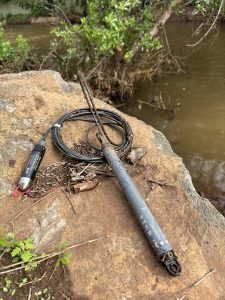
A muliwai, also called an estuary, is a place that connects and is in-between land and sea habitats. Here, freshwater and saltwater mix together, and in South Maui, they are also where many of the gulches, also known as intermittent streams, empty out during heavy rains. Since November, the water-level loggers MNMRC has deployed at three muliwai in South Maui have produced insights into the behaviors unique to each location. 

A picture of a water-level logger on a rock in a South Maui muliwai

Water-level loggers were deployed at 3 muliwai sites throughout South Maui. (Photo Credit: John Starmer)

“One of the things we are looking for at each muliwai is variability,” said John Starmer, MNMRC’s Chief Scientist. “Identifying the differences between muliwai and during different periods at the same muliwai gives us a better picture of how and how much mud is running off the mountain.” Stamer points to results from the Laie water-level loggers in January as an example. When heavy rains hit the island at the beginning of the year, the water in the muliwai was clear, indicating that the wetlands above it most likely absorbed and filtered out much of the sediment before it could reach the shore. But the next time heavy rains came, the water in the muliwai was brown, indicating that the wetlands had absorbed whatever sediment it could, but the rest ran down the mountain. Details like these are clues for Starmer and his team to figure out which areas in South Maui are priorities for preventing sediment from entering the ocean.

Additionally, Starmer has noticed that muliwai sometimes act as “ponding basins,” containing sediment during moderate rain events. “In some cases, the muliwai have shown that they can hold mud and sediment back, preventing it from washing into the nearby ocean,” said Starmer. “We saw this happen in November when rains hit the South side of Maui. Our direct observations and results from the water-level loggers showed the dune that seals off the muliwai was never breached meaning the runoff stayed in the muliwai and ultimately off the nearby reef.”

Studying the muliwai also helps MNMRC understand how well current prevention efforts work. “In theory, all of our mitigation efforts are making an impact but it is important to make sure we are measuring how much sediment is running off the mountain to have the data to ensure we are targeting the right areas and  evaluate how well we are moving towards meeting our goals.”

Reef-Safe Landscaping Shows Promise for Maui Properties

in , /by

After three months of switching to a non-toxic, reef-friendly soil amendment, local properties saw promising improvements in the health of their plants and landscaping. The toxic chemicals in widely used conventional products often end up in the ocean through runoff and groundwater, harming reefs and marine life. MNMRC’s pilot reef-friendly landscaping program aimed to address this major source of pollution at its root.

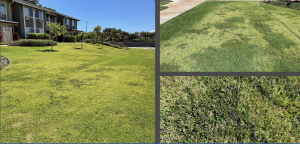
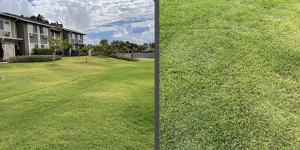
Property that uses conventional landscaping chemicals with lawn weeds and unhealthy growth

Prior to using reef-safe soil, a test plot shows significant patches of lawn weeds and uneven coloring. Credit: MNMRC Pilot Report


Property that uses reef-safe landscaping shows dramatic decrease in lawn weeds and increase in healthy growth

After four months of using reef-safe soil, the test plot shows a significant decrease in lawn weeds and has more even coloring. Credit: MNMRC Pilot Report


In 2023, MNMRC developed a 10-course curriculum taught by industry experts to educate property owners on the practices and benefits of alternative landscaping methods. In addition to the curriculum, participants in the pilot program were offered access to SoilThrive, a locally made, non-toxic, biological soil amendment or “compost tea”, which was supplied for their test plot, free of charge. The compost tea worked as both a foliar feed, a technique of applying liquid fertilizer directly to plant leaves, and as a solution for preventing pests and disease.

From October 2023 to December 2023, the compost tea was applied to test plots at developments, resorts, and farms across the island. At the end of the pilot period, every property reported improvements in an array of categories including pest populations, weed patches, plant growth, and disease resistance.


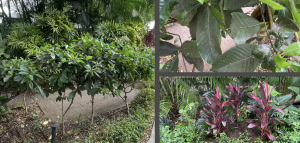
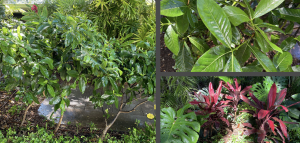
Plants prior to use of compost tea show heavy white fly cover.

Plants prior to use of compost tea show heavy white fly cover. Credit: MNMRC Pilot Report


Plants after use of compost tea show dramatic reduction in white flies and increase in new growth.

Plants after use of compost tea show dramatic reduction in white flies and increase in new growth. Credit: MNMRC Pilot Report


At the time of writing, Kahoma Village has signed a contract to utilize compost tea to treat the Whitefly on their Hibiscus. Hale Roayle, Mahina Surf, Napili Shores, Ledcor Group, Kamalani Condos, and Legend Farms are in discussions for more reef-friendly landscaping in 2024.

Searching for Groundwater Pollution at Oneuli

in , /by

Groundwater is a common way for pollution and other harmful substances to enter coastal waters. It can carry anything from toxic chemicals to nutrients that cause excessive algae growth into the ocean, wreaking havoc on marine ecosystems and coral reefs. Our team took the first step to test for pollution by towing Manta devices along the Makena coastline to identify if and where groundwater could be entering the sea.

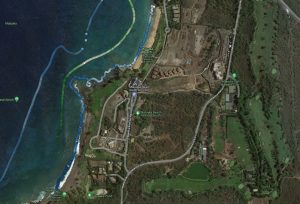
Groundwater will typically rise to the top of the ocean, and its temperature is cooler than that of seawater. The graph below shows the results of our Manta survey with areas in white representing cooler water temperatures, indicating that groundwater is likely present. Areas in blue or green are where temperature readings were warmer and consistent with that of normal seawater. The lighter shades of blue or green show temperatures between normal ground and seawater readings, indicating areas where the two are mixed.


Map of groundwater presence and possible pollution in Oneuli

Salinity at Maluaka. Credit: John Starmer


Making sure Maui’s waters are healthy is vital to our economy and day-to-day lives. By confirming the presence of groundwater, we’ve taken the critical first step to being able to test for harmful pollutants in our coastlines. Once we’re able to identify where groundwater is entering the ocean, we can focus our testing efforts around those areas to identify what kinds of pollutants are being brought in (if any) and then determine where the source or cause of those pollutants are originating on land.

Drought Conditions Turn Kealia Pond Pink

in , /by

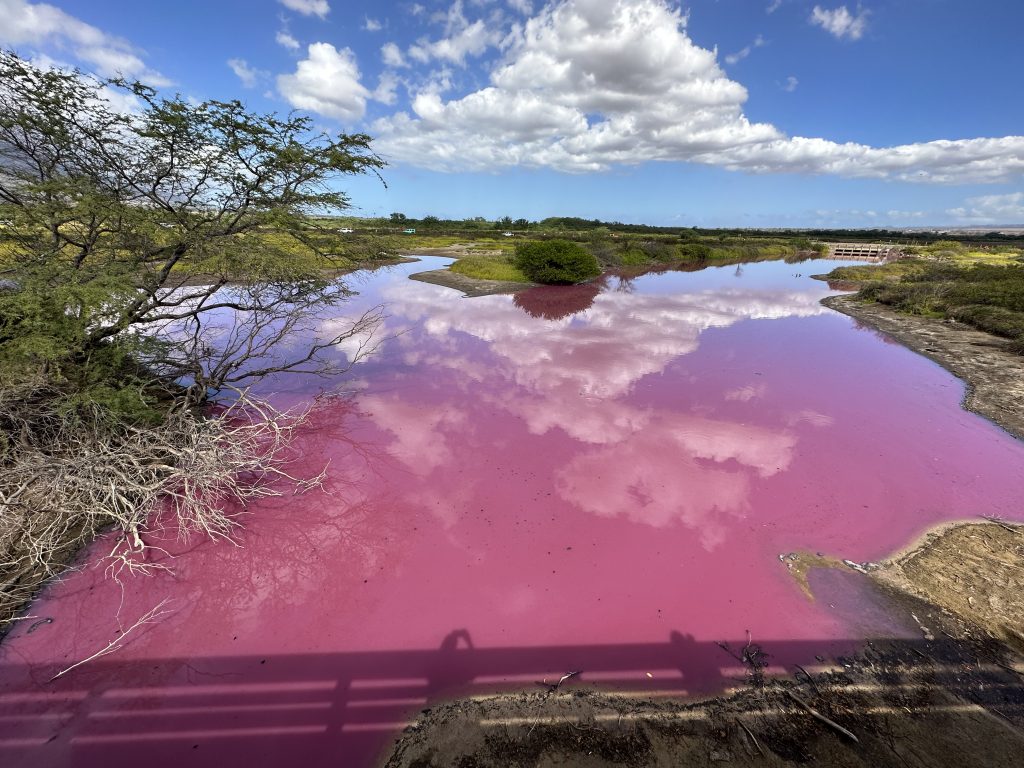
A pink pond doesn’t sound natural… but it is! … especially if that pond is salty… very salty.  A whole group of salt “loving” organisms (aka halophiles) ranging from bacteria and archaea to algae to shrimp to fish and birds have adapted to life in water that most other organisms would say “No thank you!” to living in. The recent pink makeover at Kealia Pond is an example of where water got too salty for some of the typical inhabitants and the halophiles got happy and took over.


Pink water at Kealia Pond in November 2023.

The water turned pink at Kealia Pond in November 2023. Early analysis suggests it could be due to Halobacterium salinarum or one of its close relatives. PC: John Starmer


Why did the Kealia Pond turn pink?

So what is turning the water pink at Kealia?  While a definitive ID is still not available, a good suspect is Halobacterium salinarum or one of its close relatives.  The red-to-pink color of Halobacterium comes from bacteriorhodopsin, which helps capture light energy for photosynthesis. This protein is unique to archaea and one of the things that separates them from true bacteria.

Halobacterium, despite the name, is a type of halophilic (salt-loving) archaea, not a bacterium. The archaea were only split out from bacteria about 50 years ago and now are recognized to comprise one of the three domains of life, alongside true bacteria and eukaryotes (everything from single-celled algae to sea turtles). Archaea were first discovered in ‘extreme environments’ like salt ponds and thermal hot springs. They are now recognized as abundant and common in most environments from seawater to soil to animal skin and digestive tracts.  Interestingly, none of the species found to date are considered to cause disease.

Is this natural?

Kealia Pond is a dynamic landscape that floods and dries as the seasons change and water becomes more or less abundant. The name Kealia means salt-encrusted place and reflects that during the dry season, patches of white salt remain behind as water evaporates from large areas of this shallow wetland.  The only surface drainage for the pond that remains connected to the sea passes under the National Wildlife Refuge boardwalk. This drainage channel gets scoured out when high water breaks through the sand plug that usually closes off the channel from the ocean in Ma’alaea Bay. Because the channel is deeper, it still holds water even as the shallower parts of the pond and nearby mudflats earn their name and show off white patches of salt crystals scattered across the surface.

The conditions that led to the Halobacterium bloom are considered a natural, though unexpected, result of a long dry summer evaporating the pond and raising its salinity – about twice that of seawater at the moment. Pink salt ponds are a common occurrence around the world thanks to Halobacterium and other halophilic organisms can turn these ponds a range of colors. A small pond along Hana Highway in Kahului has exhibited the same sorts of color changes over the years, but its less striking color changes and small size have kept it from getting much attention.

Is this a Red Tide? / Is this Dangerous?

Is there any need to be concerned about what’s going on at Kealia Pond? Red tides or harmful algal blooms (HABS) are known to affect wildlife and humans by producing toxins. HABS, however, are caused by different organisms – often dinoflagellates or cyanobacteria – and are frequently associated with high nutrient levels in the water. These organisms cannot survive in the high salinity in the pond and have been discounted as the source of the color change. Interestingly, the archaea as a whole, including Halobacterium, are not known to cause any human disease, despite being among the most common organisms on earth.

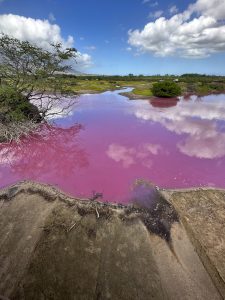
Vertical image of Pink water at Kealia Pond in November 2023.Will the pond stay pink forever?

The Halobacterium are thriving right now thanks to the current high salinity at in the pond. Because conditions are optimal for the growth of these halophiles, rather than typical green algae, the pond will likely stay pink as long as the salinity remains high. When rains come and drop the salinity, the pond will certainly return to a more sedate and typical color as algae take over as the dominant plankton in the pond.


Enjoy learning more about Maui Nui’s natural resources?

Consider making a donation to MNMRC to help us continue doing work like this and more!

Is it Ash? Is it Oil? No! It’s Trichodesmium!

in /by

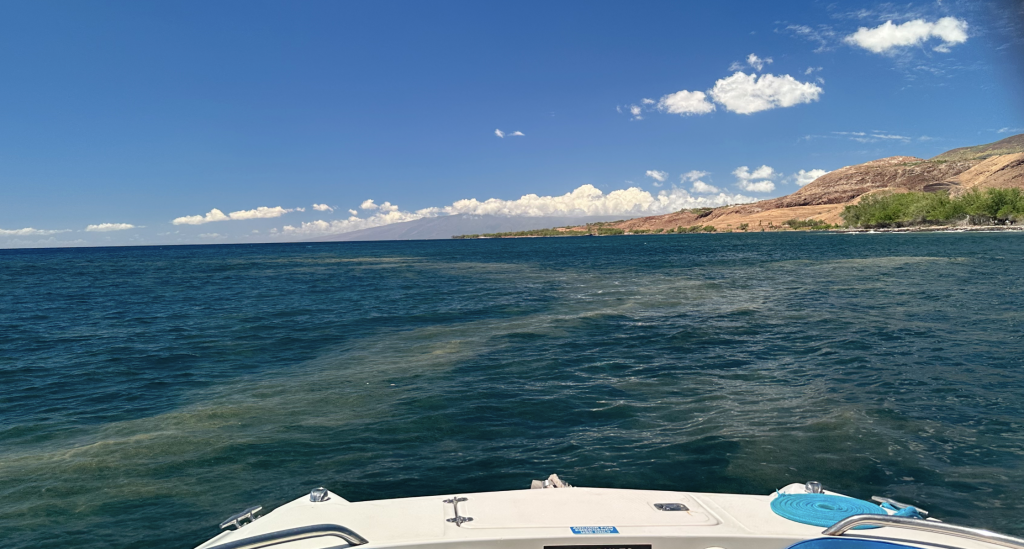
During recent coastal water quality and habitat surveys, we’ve come across slicks of what turned out to be blue-green alga, also known as cyanobacteria, in this case, an alga called Trichodesmium.  A biologist at the Division of Aquatic Resources confirmed that these slicks or “scuzzes” are known to periodically occur around Maui but the abundance this year appears unusual.

Trichodesmium scuzz by Olowalu, Maui, Hawaii. September 2023.

Trichodesmium scuzz by Olowalu, Maui, Hawaii. September 2023.

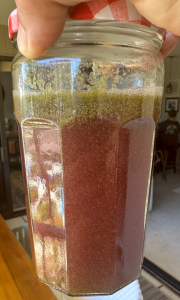
A sample collected off Kihei on September, 2023 proved to belong to the genus Trichodesmium. Trichodesmium, also called “sea sawdust” due to its appearance, plays a pivotal role in marine ecosystems. These microscopic organisms are widely distributed throughout tropical and subtropical oceans, forming distinct colonies that can be visible to the naked eye. Trichodesmium is actually ecologically important, as it is a primary producer in the marine food web and also contributes to nutrient cycling and nitrogen fixation, benefiting marine life and the planet as a whole.

A little bit of ecology

Trichodesmium is crucial to the health of marine ecosystems. These cyanobacteria are photosynthetic, using sunlight to convert carbon dioxide and nitrogen gas into organic matter – a process known as nitrogen fixation. This ability to fix atmospheric nitrogen makes Trichodesmium a critical source of bioavailable nitrogen in nutrient-poor ocean regions, such as Hawai’i and much of the tropical Pacific. As a result, it provides essential nutrients to a variety of marine organisms, including phytoplankton, zooplankton, and filter-feeding invertebrates. By supporting the base of the marine food chain, Trichodesmium indirectly sustains the health of larger marine species, all the way up to fish and marine mammals.

Trichodesmium from a 2023 scuzz in Kaanapali, Maui, Hawaii. Photo: Trey Garnes.

Trichodesmium from a 2023 scuzz in Kaanapali, Maui, Hawaii. Photo: Trey Garnes.

Blooms and Causes

Trichodesmium blooms are periodic and can cover vast stretches of ocean surface. These blooms occur due to a combination of factors, including warm water temperatures, nutrient availability, and calm sea conditions. The warm waters of tropical and subtropical regions create ideal conditions for Trichodesmium growth, while the presence of nutrients like iron and phosphorus can stimulate bloom formation. There is some speculation that ash from the recent Maui wildfires may have dropped enough nutrients into our coastal waters to trigger the blooms we are now seeing close to shore.

Calm seas and low wind speeds can further allow Trichodesmium colonies to remain at the ocean’s surface, forming visible mats that can stretch for kilometers, which is what we are currently seeing around Maui. These blooms can have both positive and negative effects on marine ecosystems, promoting productivity but also potentially leading to oxygen depletion and harmful algal blooms under certain conditions.

Health Concerns

While Trichodesmium is an essential component of marine ecosystems, it is not suitable for human consumption. Ingesting or touching Trichodesmium colonies can cause skin irritation and, in some cases, lead to respiratory problems due to the release of certain toxins and irritants. It is advised to avoid direct contact with these cyanobacteria. Moreover, the ecological consequences of large-scale Trichodesmium blooms, such as oxygen depletion and changes in water chemistry, can have negative effects on marine life and local fisheries.

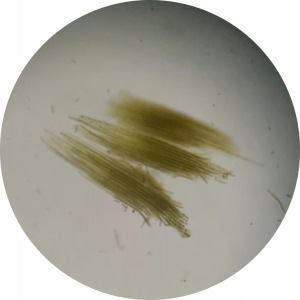
Trichodesmium

Trichodesmium

Fun fact

There are several species of Trichodesmium. Some make little urchin-like balls made up of individual strands others look more like bundles of rods on close inspection.  All species have spaces (vacuoles) that hold gas and as a Trichodesmium rolls around underwater, the flash of light off these bubbles can give the water a sparkly appearance.

Report your sightings!
If you see a Trichodesmium scuzz washing up on the beach or while you are out on the water, please share your observation.  Date, time and location are important details. A photograph or video of the bloom would be appreciated.

Please share your sightings with us by email at [email protected].


Know Your Ocean: Trash Debris Monitoring Reveals Insights into Marine Debris Origins and the Local Community’s Impact on Maui’s Beaches.

in , /by

From December 2022 to January 2023, the Maui Nui Marine Resource Council conducted extensive monitoring and debris removal in six Maui streams and gulches: Ukumehame, Kahana, Kanaio, Kaua‘ula, Wailuku, and an unnamed gulch at Cove Beach Park. The study aimed to establish baseline data for coastal debris sources, assess compliance with the 2022 single-use plastic ban, and raise community awareness about local marine debris. A total of 4,428 trash items were cataloged and removed during 117 surveys, with Kanaio Gulch having the highest trash count. Plastics were the most common type of debris. The study highlights the complex relationship between human activity and marine debris and provides insights into seasonal trends and the importance of community clean-up efforts.

Maui Nui Marine Resource Council invites you to an important FREE Zoom Webinar on Wednesday, October. 4 at 5:30 PM. Find out more about the effort to understand where Maui’s marine debris is coming from and how efforts to reduce it are working… or not. Register here: https://bit.ly/Trash2MarineDebris

Meet the Speaker
Tiara StarkYou’ll meet Tiara Stark, who, growing up on Maui within a Polynesian family, developed a profound admiration for the natural ecosystems of Hawaiʻi, which inspired her to pursue a career in marine conservation. After completing her postgraduate degree, Tiara returned to her island home of Maui to actively contribute to community conservation endeavors. These included part-time positions as a Research Coordinator with MNMRC and as Senior Team Lead with MNMRC’s partnership program Hui O Ka Wai Ola. Tiara is currently Project Manager for The Nature Conservancy’s Maui Marine Program where she leads and supports a range of research and monitoring projects, as well as community-led conservation initiatives all aimed at the shared objective of safeguarding, managing, and revitalizing marine ecosystems for future generations. Tiara’s dedication to marine conservation is also evident in her personal interests, which include snorkeling, scuba diving, and sustainable fishing.
Save your spot, register now: https://bit.ly/Trash2MarineDebris

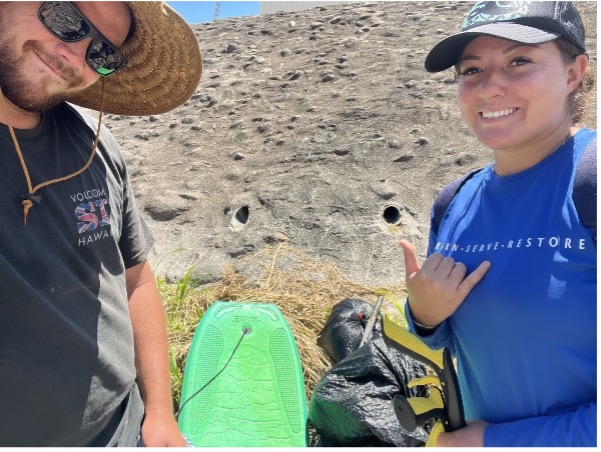
Tiara and Research Assistant, Naha Pierce, remove trash debris from Wailuku Stream.

Tiara and Research Assistant, Naha Pierce, remove trash debris from Wailuku Stream.

Special Event: Mapping Leeward Coral Reefs Before the Impacts of Storm Runoff from the August 2023 Wildfires

in , /by

After the devastating wildfires in Lahaina and Upcountry Maui, the community has been trying to recover from the effects of this unimaginable event. Even as our community is on the mend, a second, disaster slowly approaching the island. The areas burned by the wildfires have been stripped of cover and soils and toxins are poised to wash downstream into our coastal waters and into groundwater. What the effect on our coral reefs, long-term water quality, and resources, such as food fish, will be is uncertain.

Maui Nui Marine Resource Council invites you to an important FREE Zoom webinar on Thursday, Sept. 14 at 6:00 p.m. to find out more about the effort to rapidly map the current, baseline conditions of coral reefs along leeward Maui where the impacts of fire-related runoff are expected to occur. Register here: https://bit.ly/LI_coral_maps

Brett KettleYou’ll meet Dr Brett Kettle of Flying Fish Technologies, who has pioneered coral reef protection for over three decades, both on the Great Barrier Reef (GBR) and internationally. Brett began to prototype his long-term vision for a high-speed, broad-scale underwater visual survey tool in 2017. His vision was to document more of the Great Barrier Reef than had ever been documented before and to use emerging technologies like AI/ML to accelerate the analysis of collected data. The result is the Vertigo3 glider, a towed ROV that can survey 10ha (25 acres) an hour while recording over 50,000 high-resolution images.
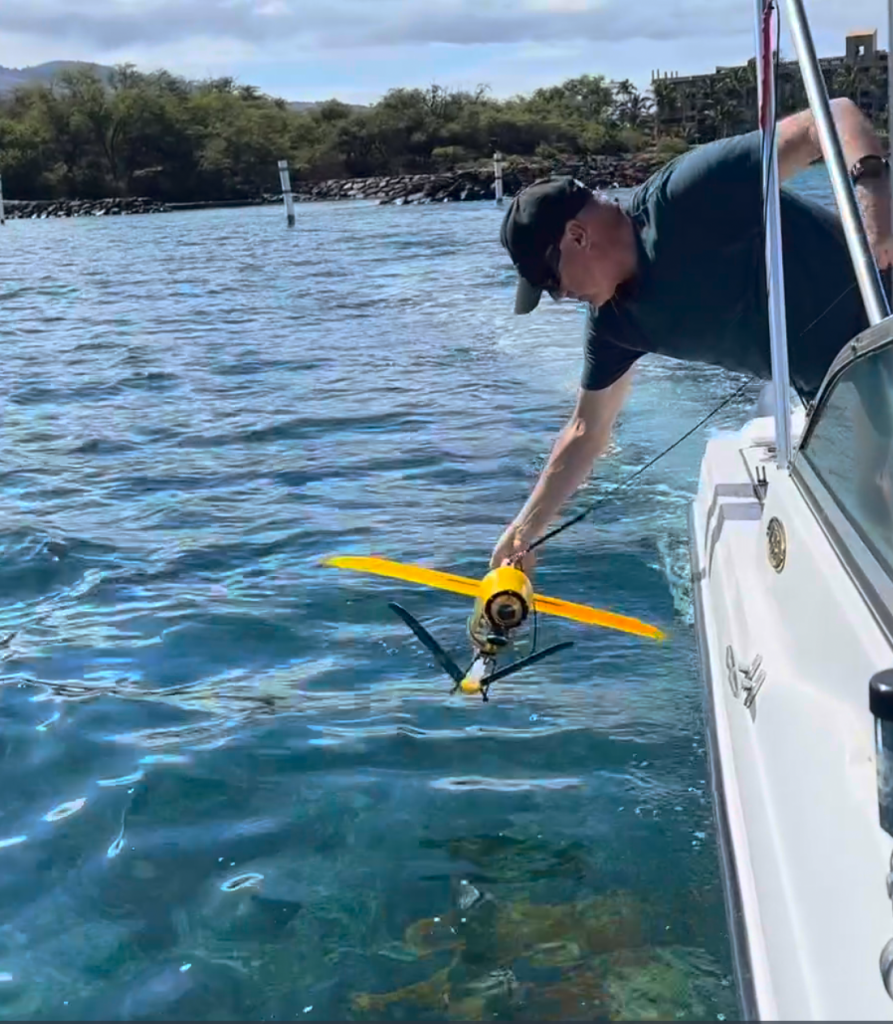

During the webinar, you’ll be introduced to how Vertigo3 functions and how it is being used to image extensive sections of Maui’s leeward reefs. These images will allow comparison of the current state of coral reefs that may already have been impacted with unaffected “control” regions and will allow accurate assessment of any effects when storms deliver runoff to our precious nearshore reefs. The technology also opens up a remarkable set of opportunities to view and study Maui’s reefs from above the water in ways that were impossible until now.

Save your seat for the Webinar: https://bit.ly/LI_coral_maps

Brett deploys the Vertigo3 Glider off of the Kihei Boat Ramp in Maui, Hawaii

Brett deploys the Vertigo3 Glider off of the Kihei Boat Ramp in Maui, Hawaii. Photo: John Starmer, MNMRC.