Join us on February 5 as Dr. John Burns of the University of Hawaiʻi at Hilo shares how the Multiscale Environmental Graphical Analysis (MEGA) Lab is using cutting-edge 3D technology to map and study reefs as the organization pursues its goal of mapping 1 million of the world’s best reefs by 2030.
“Less than 20 percent of our oceans have ever been seen and in order to better prepare for a rapidly changing future, we need to know what we have so that we can understand where we need to go,” said Dr. Burns.
MEGA Lab layers their 3D reef reconstructions with an array of environmental data to improve understanding of the biology and ecology of the underwater habitats. This has helped show how coral reefs are changing over time, and how these changes impact associated reef organisms and the services communities depend on.
Map2Adapt aims to map 1 million of the world’s best reefs by 2030 while also training more than 10,000 citizen scientists to better support their communities. “Through Map2Adapt we are able to rapidly identify the state of our reefs, inform conservation restoration efforts, and integrate better management methods across the planet,” said Dr Burns. “Ultimately, our goal is to use innovative technologies to improve our understanding of reef biodiversity and develop techniques to help protect and preserve these ecosystems for future generations.”
MEGA lab also hosts a live streaming camera and a smart buoy to monitor ocean temperatures and coral reef health through a collaboration with UH Hilo and Aqualink off the coast of Kona, Hawaiʻi. The site utilizes infrastructure at the Natural Energy Laboratory of Hawaii Authority (NELHA) and the Fathom Octopus camera to provide 360 panning ability to optimize reef monitoring.
Meet the Speaker: Dr. John Burns, Associate Professor in Marine Science and Data Science, University of Hawaiʻi at Hilo
Dr. Burns is a research scientist who studies coral health and disease. His work has investigated the physiological impacts of disease on affected corals and how coral mortality affects the ecology and biology of coral reef ecosystems. John has been continuously searching for both global and localized drivers of coral diseases in order to promote healthy coral ecosystems in the face of global stressors such as climate change. His expertise led to his inclusion in the award-winning documentaries, Chasing Coral, Reefs at Risk, and Island Earth. John has recently developed innovative techniques to create three-dimensional maps of coral reefs to accurately measure how natural and human-induced disturbances impact ecosystem function. John’s research has been presented at scientific conferences around the globe and he has authored multiple publications in international peer-reviewed journals.
Join us for a conversation on how Aqualink, a leading platform for real-time oceanographic data, is partnering with water quality monitoring organization Hui O Ka Wai Ola (HOKWO) to empower residents and scientists alike to track water quality and ocean conditions in real-time. Learn about new tools for monitoring sea surface temperature, wind, and wave conditions alongside HOKWO’s essential data on salinity, pH, and turbidity. The partnership aims to highlight the importance of “thinking globally, acting locally,” equipping Maui’s community with insights to safeguard its cherished beaches and reefs. Don’t miss this opportunity to learn more about the global network of ocean advocates and how you can make a meaningful impact in protecting Maui’s coastal waters! Register here:
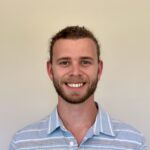
Meet the Speaker: Caesar Hjertén, Project Manager at Aqualink
Caesar joined Aqualink in February 2022 with the goal of advancing the platform and increasing the organization’s impact. Caesar graduated from UH Hilo where he also played for the university’s soccer team. Caesar is passionate about our oceans and the environment. He likes to play sports, dive, surf, and other outdoor activities. At Aqualink, he manages the online platform, fleet of Smart Mooring buoys, and is Aqualink’s primary point of contact.
Meet the Speaker: Liz Yannell, Program Manager at Hui O Ka Wai Ola Liz joined the Hui as Senior Team Leader in May 2022 and became the Program Manager in June 2023. She has a bachelor’s degree in environmental studies from Florida Gulf Coast University. In 2022, Liz graduated from the Marine Options Program at UH Maui and worked as the assistant in the marine lab on campus. As Program Manager, she is primarily responsible for coordinating various aspects of the program, including field, lab, and logistical support, coordinating fellow team leads, and managing the volunteer program. Her responsibilities include overseeing monitoring operations and data collection, entry, and record-keeping; team lead and volunteer training and coordination; preparing and maintaining supplies and equipment; and meeting with advisory Technical and Steering Committees to ensure successful continuity and growth of the program. She also often joins volunteers in collection and analysis of coastal water samples in the field. Liz is from O’ahu and currently lives in Kula with her two kids and husband. She loves all things ocean-related and is very passionate about coral reef conservation.
From December 2022 to January 2023, the Maui Nui Marine Resource Council conducted extensive monitoring and debris removal in six Maui streams and gulches: Ukumehame, Kahana, Kanaio, Kaua‘ula, Wailuku, and an unnamed gulch at Cove Beach Park. The study aimed to establish baseline data for coastal debris sources, assess compliance with the 2022 single-use plastic ban, and raise community awareness about local marine debris. A total of 4,428 trash items were cataloged and removed during 117 surveys, with Kanaio Gulch having the highest trash count. Plastics were the most common type of debris. The study highlights the complex relationship between human activity and marine debris and provides insights into seasonal trends and the importance of community clean-up efforts.
Maui Nui Marine Resource Council invites you to an important FREE Zoom Webinar on Wednesday, October. 4 at 5:30 PM. Find out more about the effort to understand where Maui’s marine debris is coming from and how efforts to reduce it are working… or not. Register here: https://bit.ly/Trash2MarineDebris
Meet the Speaker You’ll meet Tiara Stark, who, growing up on Maui within a Polynesian family, developed a profound admiration for the natural ecosystems of Hawaiʻi, which inspired her to pursue a career in marine conservation. After completing her postgraduate degree, Tiara returned to her island home of Maui to actively contribute to community conservation endeavors. These included part-time positions as a Research Coordinator with MNMRC and as Senior Team Lead with MNMRC’s partnership program Hui O Ka Wai Ola. Tiara is currently Project Manager for The Nature Conservancy’s Maui Marine Program where she leads and supports a range of research and monitoring projects, as well as community-led conservation initiatives all aimed at the shared objective of safeguarding, managing, and revitalizing marine ecosystems for future generations. Tiara’s dedication to marine conservation is also evident in her personal interests, which include snorkeling, scuba diving, and sustainable fishing.
This webinar provides an assessment of spinner dolphin acoustic activity in Maui Nui post-COVID-19 boating and travel restrictions. Underwater sound was recorded in 2021-2022 in three bays frequently used by spinner dolphins for their daytime rest: Mānele, Hulopoʻe, and Honolua. Spinner dolphins were recorded in each location, with the most dolphin acoustic activity occurring in Honolua, and less activity in Hulopoʻe. These analyses will help wildlife managers identify important spinner dolphin daytime habitats and track habitat-use changes that may occur due to varying levels of human disturbance.
Megan McElligott is a 5th-year doctoral candidate at the University of Hawaiʻi at Mānoa in the Marine Biology Graduate Program. Her work focuses on using passive acoustics (underwater sound recordings) to monitor when and where Hawaiian spinner dolphins get their daily rest. The goal of her research is to help wildlife managers determine the best ways to protect spinner dolphins from human disturbance.
Dr. Simon Freeman, Program Director at the Advanced Research Projects Agency-Energy (ARPA‑E), presented “Signals in noise: Adventures in using natural sounds underwater.” at our June Know Your Ocean speaker series event. He gave an overview of some of the work his group has performed over the years, focusing on situations where they were able to find helpful information contained in natural ocean soundscapes including those produced by coral reef ecosystems. He then discussed what could happen in the future using natural underwater sounds to quantify carbon capture in the ocean as part of his efforts in working for the Department of Energy. Simply click on the video below to watch the presentation.
Hawaiian monk seals, the ‘llio holo I ka uaua or “dog that runs in rough water” are a type of seal found nowhere else in the world. They are critically endangered, but conservation efforts are supporting their slow recovery. Learn about what is being done to save this uniquely Hawaiian species and how you can help insure their survival. Our speaker will dive into the natural history of monk seals, what conservation looks like here in the islands, and share one of Maui’s very own success stories of male RL72.
Presented by Ashley Hechavarria
Ashley works for the Marine Mammal Center and dispatches the Hawaiian monk seal sighting hotline on Maui Island and builds relationships with the Maui community. She brings over a decade of experience working as a naturalist and wildlife biologist specializing in marine mammal rehabilitation and release in Florida, as well as coordinating conservation efforts on Maui. She earned her B.S. in Environmental Science and Policy from the University of South Florida, where she also aided in marine paleo-biology research.
At the height of the pandemic, when no one was visiting Molokini, a small team of scientists had the opportunity to study the wildlife at the crater. And their findings are eye-opening. Led by Maui resident Russell Sparks, Aquatic Biologist, Department of Land and Natural Resources, Division of Aquatic Resources on Maui, a small team of scientists with expertise in coral reef ecology and animal movement studies in the Hawaiian Islands studied the ecosystem at Molokini for a little over a full year: from a period of COVID-19 pandemic shut down in April 2020, to a period of moderate activity resumption in November 2020 and into a full return of tourism in May of 2021.
The team includes Alan Friedlander, Chief Scientist, Pristine Seas, National Geographic Society, and a researcher at the Hawaiʻi Institute of Marine Biology. Friedlander has studied Molokini extensively for nearly two decades and is the co-author of five research publications on Molokini conducted in collaboration with the Maui Division of Aquatic Resources. Other members include Kevin Weng, Associate Professor at the Virginia Institute of Marine Science, Whitney Goodell, National Geographic Fellow and marine ecologist with the Fisheries Ecology Research Lab, University of Hawaiʻi, and Laura Gajdzik, scientist at the Division of Aquatic Resources.
Click on the video below to watch the presentation.
Learn about the “The Coral Pledge,” a new initiative to reduce human impacts on Hawaiiʻs reefs year-round. The presenter was Dan Dennison, Senior Communications Manager for the Hawaii Dept. of Land and Natural Resources (DLNR). The Coral Pledge was created by the DLNR Division of Aquatic Resources and was introduced statewide earlier this month. The eveningʻs presentation included details about The Coral Pledge and featured a showing of “Saving Coral,” a half-hour television special created by DLNR to educate the public about threats to Hawaii’s coral reefs.
Dennison also provided updates on “30 x 30” which is a State of Hawaii commitment to effectively manage 30% of Hawaiiʻs nearshore ocean waters by 2030. At the conclusion of the evening, Maui Ocean Center also provided a special holiday treat for attendees: a viewing of the movie, “Humpbacks of Hawaii,” shown in 3D at The Sphere.
“The Coral Pledge provides a simple set of recommendations to help reduce human impacts to Hawai‘i reefs year-round, but particularly during bleaching events,” says Dennison. “While all ocean users can learn from the recommendations in The Coral Pledge, we especially encourage commercial tour operators and businesses who work in and around the ocean, and who regularly interact with visitors, to attend to learn about The Coral Pledge and hopefully to sign up to participate in this initiative.”
Click on the video below to watch the presentation:
About
Presented by Dan Dennison
Dan currently serves as the Senior Communications Manager for the Hawaii Dept. of Land and Natural Resources. He brings more than four decades of broadcast journalism experience to his current position. Prior to joining DLNR in 2014, Dan served as news director at six, top-rated television stations, in four states, including KHON2 and KHNL/K5 in Honolulu. He began his news management career in his native Colorado after being a television reporter and photographer for 25 years covering Western Colorado for Denver television stations. He has multiple Emmy awards, state broadcaster association awards, and Edward R. Murrow awards both as a reporter and news director. At DLNR, Dan has been responsible for the production of more than 1.000 videos to date, including seven television specials. He supervises a team of communications specialists who handle all internal/external communications, media relations, and social media. Dan has served on numerous state and national boards both as a broadcaster and now as a government communications professional. He is an avid hiker, bicyclist, snorkeler, and skier, and loves to play tennis and Frisbee. He says he is both blessed and honored to document the work of DLNR staff and its many partners in the mountains, forests, and waters that comprise Hawaii Nei. “The best job in the world,” he says.
Have you ever wondered why some people care — and others seemingly don’t — about protecting Maui’s coral reefs? Imagine if you could climb into their minds to understand what causes visitors and residents of Maui to be motivated (or not) to care for our reefs through their behaviors and actions. How would that help your community be more effective in protecting its reefs?
Find out more about the social and psychological factors that influence human behavior in our nearshore environments, based on a recent joint study conducted in West Maui by Polanui Hiu, The Nature Conservancy, and Stanford University.
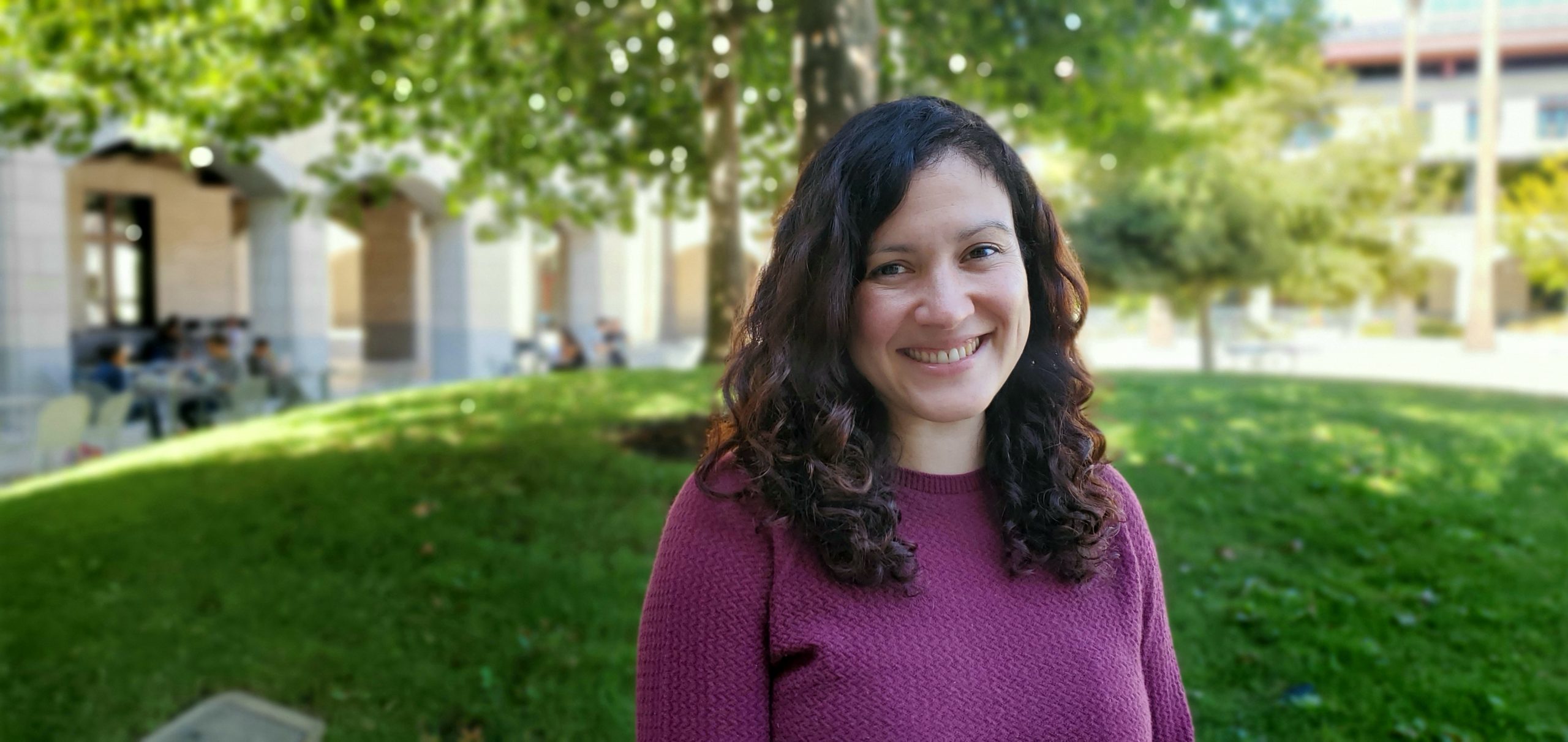
You’ll meet Francisca (Kika) Santana, the leader of the study and a fourth-year PhD candidate at Stanford’s Emmett Interdisciplinary Program in Environment and Resources. Her team surveyed 300 reef users and learned about their reef-based activities, perceptions of reef health, their social-psychological indicators (such as place attachment and self-efficacy), and pro-environmental behavioral intentions. Alana Yurkanin, Maui Marine Project Manager at The Nature Conservancy, will also share her insights on the survey results.
During the webinar, you’ll also be transported to Polanui, a small, popular beach in Lāhaina, protected by an offshore reef named Nā Papalimu O Pi‘ilani. For generations, this reef sustained Hawaiian families with its abundance of fish and edible limu (algae). Sadly, that abundance has vanished and Polanui now has the lowest fish biomass in Hawai’i, meaning its fish are smaller and fewer than all other sites surveyed across the state.
You’ll meet Ekolu Lindsey and the Polanui Hiu, a local community group that he co-founded that works to restore the resources and Hawaiian traditions once practiced along this shore. Find out about their work and the results of recent human use and creel surveys conducted at Polanui (surveys of beachgoer and angler activity in the nearshore waters of this area).
“Let’s learn together to find ways to be more effective in bringing about positive change for our reefs, both now while tourism is largely absent, and later when visitors begin to visit Maui again,” says Amy Hodges, Programs and Operations Manager at Maui Nui Marine Resource Council. “This free webinar is offered as part of our Know Your Ocean Speaker Series, offered online due to Covid-19.”
PRESENTERS:
Francisca (Kika) Santana is a fourth-year Ph.D. candidate in the Emmett Interdisciplinary Program in Environment and Resources (E-IPER). She studies how individuals and groups respond to environmental change and climate risk. Specifically, her research investigates how individuals make protective health decisions in response to wildfire smoke, what motivates coastal users to take pro-environmental action in a declining coral reef environment on Maui, Hawaiʻi, and how communities respond to land loss and restoration efforts in coastal Louisiana. She draws from theories and methods in sociology, environmental and social psychology, and decision science. Before pursuing her degree at Stanford, Francisca worked on energy and marine policy issues in the nonprofit and government sectors. She received a master’s degree in environmental science and management from UC Santa Barbara and a BA in history from Yale University.
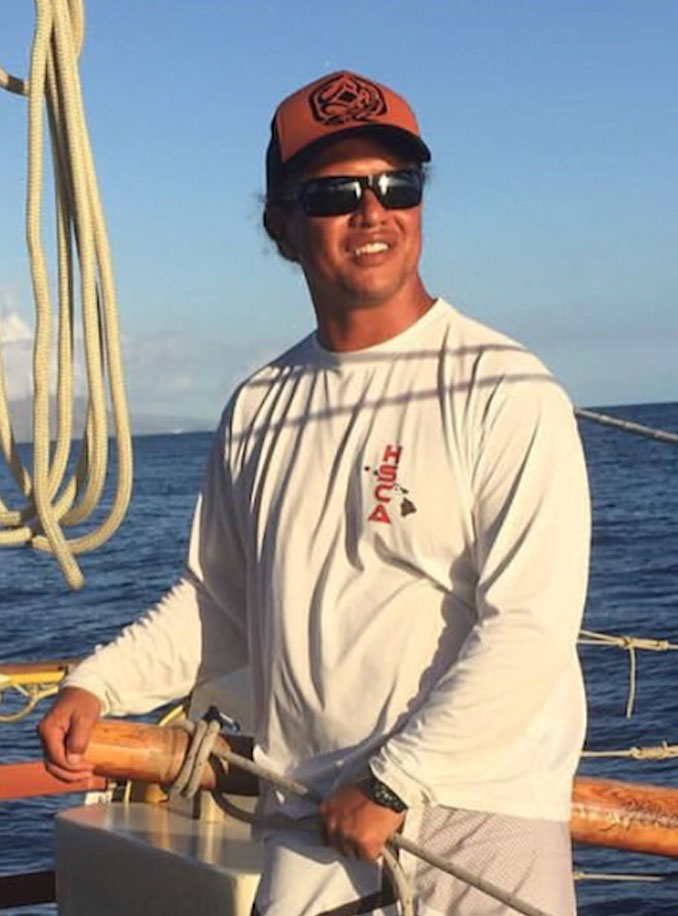
Edwin “Ekolu” Lindsey Raised on Maui (where he loved visiting his grandparents’ home in Lahaina to surf, swim, and fish in the waters of Polanui), Ekolu graduated from Kamehameha Schools on O‘ahu, and earned a B.B.A. at the University of Hawaiʻi at Mänoa. Ekolu’s parents — Ed Lindsey, a Native Hawaiian and lifelong schoolteacher, and Puanani Lindsey — co-founded Maui Cultural Lands in 2002. Ed Lindsey also co-founded Maui Nui Marine Resource Council in 2007 with marine biologist Robin Newbold. After his father passed away in 2009, Ekolu assumed the role of president of Maui Cultural Lands. He carries forward his family’s legacy of service and their vision of protecting and restoring Hawaiian cultural resources and the marine environment. In July 2015, he completed a ten-day, 500-mile journey aboard the voyaging canoe Hikianalia to the Papahänaumokuäkea Marine National Monument in the Northwestern Hawaiian Islands to conduct reef surveys and fish monitoring to help better manage Hawai‘i’s marine resources. Ekolu also cofounded Polanui Hiu, the first Community Managed Makai Area (CMMA) on Maui. Ekolu is a member of Maui Nui Marine Resource Council’s Board of Directors.
Alana Yurkanin Alana is the Maui Marine Project Manager at The Nature Conservancy and serves on the Steering Committee of Hui O Ka Wai Ola, a unique community-based ocean water quality monitoring program on Maui. Alana grew up in Hawai’i with a fisherman as a father. From all of her time spent in and around the ocean, she wanted to protect and continue to understand the environment along and beyond the coast – as well as the people and culture so intrinsically connected to our surroundings. In 2014, she completed a Master’s degree in Environmental Science and Management with a specialization in Coastal Marine Resource Management and a focus in Strategic Communications at the Bren School, UC Santa Barbara. During her program at Bren, she focused her studies on topics relevant to natural resource management, fisheries management strategies, storytelling, communication and media, coastal ecology, project management, and marine science. Additionally, she has a background in environmental education, marine science education, outdoor education, ecotourism, seamanship, team building, international aid work, performing arts, homesteading, and farming.
Special thanks to the County of Maui Mayor’s Office of Economic Development for helping to make this presentation possible.
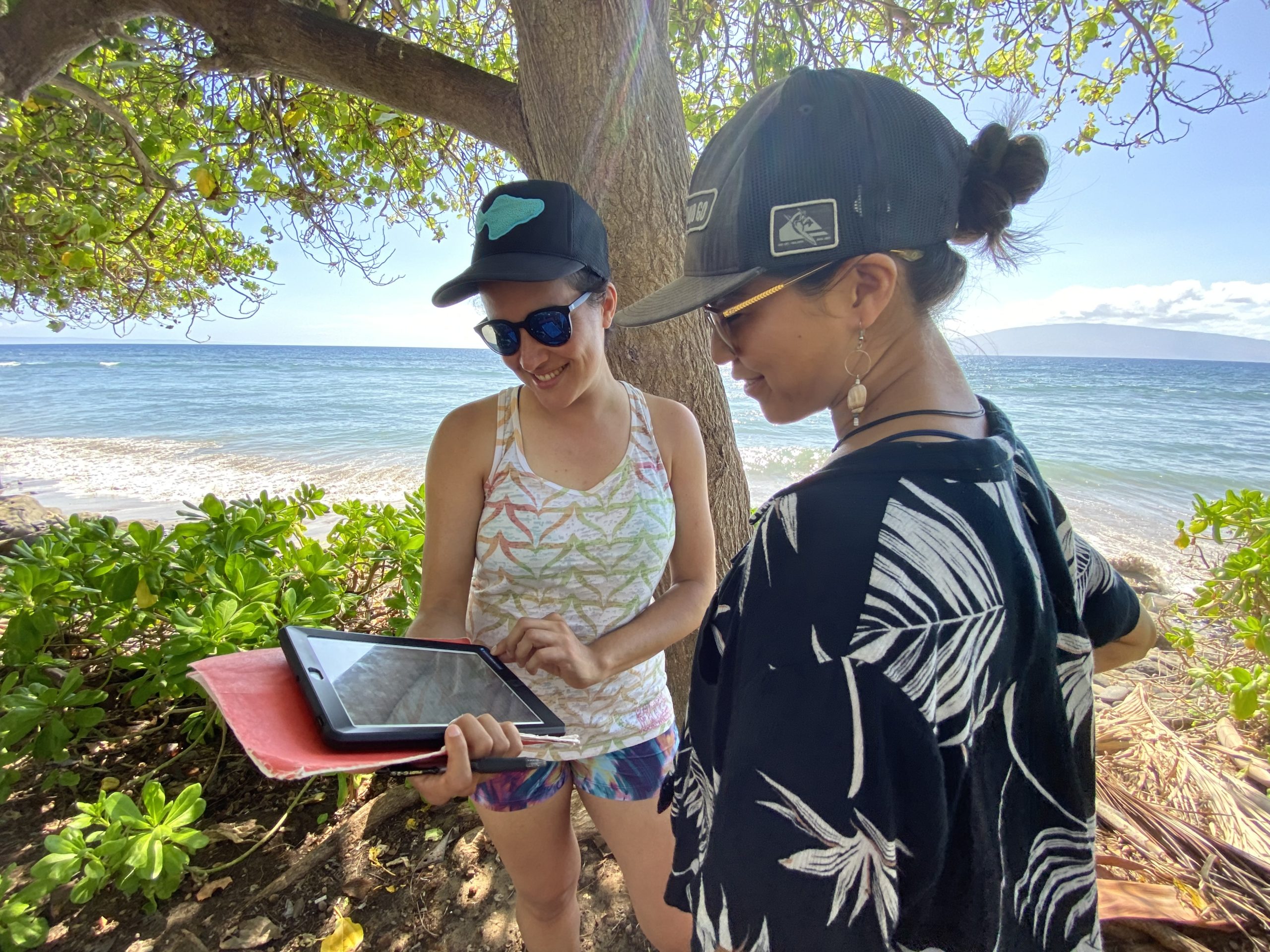
PHOTO CAPTION: Kika Santana (left) and Marie Janiszewski (right) review a survey response about reef-based activities, perceptions of reef health, their social-psychological indicators (such as place attachment and self-efficacy), and pro-environmental behavioral intentions.
Presented as part of Maui Nui Marine Resource Council’s Know Your Ocean Speaker Series
Photo by Keoki Stender
Perhaps you’ve heard of “roi roundups” – efforts by the community to spearfish and kill roi, commonly known as the peacock grouper, to remove these invasive fish from our local reefs.
Roi were introduced to Hawaii in the 1950s from French Polynesia with the idea that it could provide a food source for people. An aggressive predator that eats smaller reef fish, roi flourished – especially when Hawaii residents found that the fish carried ciguatera, a type of food poisoning, and avoided eating them.
Alarmed by roi’s voracious appetite for smaller native fish, and concerned that the ciguatoxin carried in roi can move up the food chain and spread to other species, communities throughout the main Hawaiian islands have organized roi roundups.
How much of a problem are roi? What are recent scientific studies finding about the impact of roi on native reef fish? Should we try to rid our reefs of roi? Watch the video to get answers to these and other questions about this invasive fish. This video was presented as part of MNMRC’s monthly “Know Your Ocean” Speaker Series.
Presented by:
Alan Friedlander, Chief Scientist, Pristine Seas, National Geographic Society, and director of the Fisheries Ecology Research Lab at the University of Hawaiʻi, and Russell Sparks, Aquatic Biologist, Department of Land and Natural Resources, Division of Aquatic Resources on Maui.
Our guest emcee was Darla Palmer-Ellingson, local radio show host of the public affairs program, Island Environment 360, made possible by H-Hawaii Media.
“We’ve heard concerns about a recent increase in roi sightings in the reefs of ‘Ahihi Kinau Natural Area Reserve, and thought this would be a good time to bring in these scientists to meet with the community to talk about roi,” said Robin Newbold, co-founder and chair of Maui Nui Marine Resource Council. “It’s always good to start with the latest scientific facts as we work towards answers and solutions.”
This free Zoom webinar is part of Maui Nui Marine Resource Council’s monthly “Know Your Ocean” Speaker Series now being held via Zoom due to COVID-19. Special thanks to the County of Maui Mayor’s Office of Economic Development for their support of the “Know Your Ocean” Speaker Series.
About Maui Nui Marine Resource Council
Maui Nui Marine Resource Council is a community-based nonprofit organization celebrating 12 years of working for healthy coral reefs, clean ocean water and abundant native fish throughout Maui County. Our work includes co-managing the Hui O Ka Wai Ola Ocean Water Quality Monitoring Program at 41 sites in South and West Maui, efforts to reduce pollution in Ma‘alaea Bay (through erosion-control efforts in the Pohakea watershed and using oysters to filter sediment and pollutants from ocean water), coral reef research, visitor education programs and more. Learn more at www.mauireefs.org.
About Darla Palmer-Ellingson:
With a strong passion for volunteerism on environmental issues, Darla produces and hosts Island Environment 360, Maui’s only commercially broadcast public affairs show on environmental and related Hawaiian cultural topics. Darla is a member of the County of Maui Citizens Advisory Committee on the Climate Crisis and a member of Vice President Al Gore’s Reality Project, Hawaii chapter. Her company, 360 Social Business, LLC provides website design, content, social media management, general business and marketing consulting.


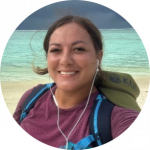 You’ll meet Tiara Stark, who, growing up on Maui within a Polynesian family, developed a profound admiration for the natural ecosystems of Hawaiʻi, which inspired her to pursue a career in marine conservation. After completing her postgraduate degree, Tiara returned to her island home of Maui to actively contribute to community conservation endeavors. These included part-time positions as a Research Coordinator with MNMRC and as Senior Team Lead with MNMRC’s partnership program Hui O Ka Wai Ola. Tiara is currently Project Manager for The Nature Conservancy’s Maui Marine Program where she leads and supports a range of research and monitoring projects, as well as community-led conservation initiatives all aimed at the shared objective of safeguarding, managing, and revitalizing marine ecosystems for future generations. Tiara’s dedication to marine conservation is also evident in her personal interests, which include snorkeling, scuba diving, and sustainable fishing.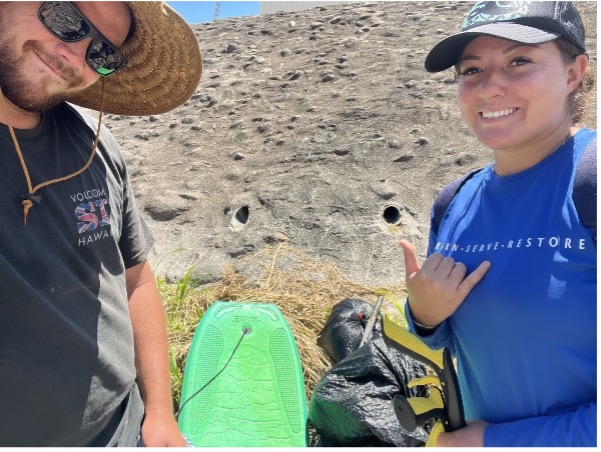
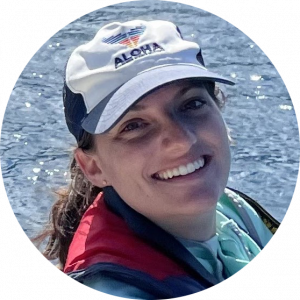 Megan McElligott is a 5th-year doctoral candidate at the University of Hawaiʻi at Mānoa in the Marine Biology Graduate Program. Her work focuses on using passive acoustics (underwater sound recordings) to monitor when and where Hawaiian spinner dolphins get their daily rest. The goal of her research is to help wildlife managers determine the best ways to protect spinner dolphins from human disturbance.