Posts

Maui Nui Marine Resource Council’s work to prevent sediment runoff to begin in Pohakea watershed

in /by

MĀʻALAEA, HI – As part of  ongoing work to improve ocean water quality in Māʻalaea Bay, Nui Marine Resource Council is working in partnership with Goodfellow Bros. in the Pohakea watershed to do maintenance on a steep existing dirt road, to prevent it from eroding and sending sediment into the ocean — and to allow it to serve as a firebreak to suppress wildfires in this fire-prone region.

A firebreak is a gap in vegetation or other combustible material that acts as a barrier to slow or stop the progress of a wildfire. Firebreaks are strategically located to ultimately reduce the size, intensity, and impact of wildfires. In this case, the work focuses on restoring firebreak functionality to an existing access road,  including the reestablishment of waterbars and stormwater erosion control measures. The creation of firebreaks will help reduce the impact of wildfires which strip the vegetative cover from the land and lead to erosion during stormwater events.

Additional work planned by Maui Nui Marine Resource Council includes  routine vegetation maintenance along the edges of the dirt road to keep fire fuel load low, to improve its ability to serve as a firebreak.

The work will begin on Wednesday, Monday, December 14 and will continue through December. The Pohakea watershed is a 5,268 acre area with the majority located mauka of the Honoapiʻilani Highway across from the Mā‘alaea Triangle. The grant-funded firebreak installations will take place on both private and publicly owned land (State of Hawai‘i Land Division) with approval and cooperation from the landowners and the State. The planning for this work was done in collaboration with the State of Hawai‘i DLNR’s Division of Forestry and Wildlife (DOFAW) as part of a larger conservation management strategy for the watershed.

Wildfire suppression was listed as a high priority in the “Pohakea Watershed Stormwater Management Plan,” an action plan for reducing sediment runoff into Māʻalaea Bay authored by Maui Environmental Consulting and commissioned by Maui Nui Marine Resource Council. Past wildfires in the Pohakea watershed have been a health and safety issue for the community and have caused the loss of vegetative covering in the watershed, leading to soil erosion during heavy rains.

“We are very pleased to work with the professional team of Goodfellow Bros. of Maui to install these firebreaks,” said Mike Fogarty, Acting Executive Director at Maui Nui Marine Resource Council. “The Goodfellow Bros. team will be following established best management practices (BMPs) to install the firebreaks with the least impact to the surrounding area. And of course, all State and County COVID-19 guidelines for outdoor work of this type will be strictly adhered to by all who are working on this project.”

This project is supported by funding from the National Fish and Wildlife Foundation, Hawai‘i Tourism through the Aloha ‘Āina Program, and the County of Maui Office of Economic Development. Local funding from individuals, businesses, resorts and foundations have also helped to make this work possible.

After the firebreaks are installed, Maui Nui Marine Resource Council will be working with volunteers to plant vetiver, a non-invasive, deep rooted, clump grass used in tropical climates, along with native dry-land species, to stabilize hillsides and stop erosion.

“The work to reduce sediment runoff from the Pohakea watershed is tied to our vision of cleaner ocean water for Māʻalaea Bay,” says Amy Hodges, Programs and Operations Manager at Maui Nui Marine Resource Council. “It’s a multi-pronged approach that also includes installations of caged oysters in the bay to remove sediment and other pollutants from the water.”

“Our goal is to create an environment where the coral reefs of Māʻalaea Bay can thrive and thus help protect the shoreline of Māʻalaea from storm surge and big waves,” says Hodges. “We also want clean ocean water for the people who use this bay for recreation.”

Hodges notes that Māʻalaea Bay is home to two canoe clubs, several popular local beaches and a much-frequented fishing area. Māʻalaea Harbor is a launching place for private and commercial ocean tours, and is famous for its “Freight Trains” surf break. Sea turtles feed outside the harbor, and visiting Hawaiian monk seals, hammerhead sharks, sea turtles and a variety of fish are not uncommon.

To learn more about this project, please visit www.mauireefs.org.

Funding for our work in Pohakea is provided by:
National Fish and Wildlife Foundation
Hawaiʻi Tourism through the Aloha ʻĀina program
County of Maui Mayor’s Office of Economic Development

Please note: The views and conclusions contained in this document are those of the authors and should not be interpreted as representing the opinions or policies of the U.S. Government or the National Fish and Wildlife Foundation and its funding sources. Mention of trade names or commercial products does not constitute their endorsement by the U.S. Government, or the National Fish and Wildlife Foundation or its funding sources.


About Maui Nui Marine Resource Council:

Maui Nui Marine Resource Council is a community-based nonprofit organization celebrating 13 years of working for healthy coral reefs, clean ocean water and abundant native fish throughout Maui County. Our work includes co-managing the Hui O Ka Wai Ola Ocean Water Quality Monitoring Program in South and West Maui, efforts to reduce pollution in Mā‘alaea Bay (through erosion-control efforts in the Pohakea watershed and using oysters to filter sediment and pollutants from ocean water), coral reef research, visitor education programs and more. Learn more at www.mauireefs.org.

About Goodfellow Bros.:
Established in 1921, Goodfellow Bros. (GBI) is a fourth-generation family-owned heavy-civil contractor with headquarters in Hawaii and Washington and more than 99 years of experience in the construction industry. For nearly a century, GBI has transformed regions across North America and abroad. With 12 offices in Washington, Oregon, California and Hawaii, GBI’s range of projects include: airports, bridges, reservoirs and dams, golf courses, harbors, highways, housing developments, marinas, parks, underground utilities construction services, wastewater treatment facilities, wind and solar farms, fisheries, wildlife habitats and more. To learn more, visit: www.goodfellowbros.com

Free Webinar: “Exploring the Octopus: How to Learn from Animal Behavior”

in /by

Photo courtesy Don Bloom

“Exploring the Octopus: How to Learn from Animal Behavior” is Topic of November 18 “Know Your Ocean Speaker Series” Free Webinar

Octopuses explore the world around them with their flexible arms, which can touch — and actually taste — to help them quickly identify prey. Maui Nui Marine Resource Council invites the public to learn more about the specialized octopus cells that make this unique ability possible at a free Zoom webinar titled “Exploring the Octopus: How to Learn from Animal Behavior” on Wednesday, November 18 at 3 pm. This presentation is part of MNMRC’s monthly “Know Your Ocean Speaker Series.”

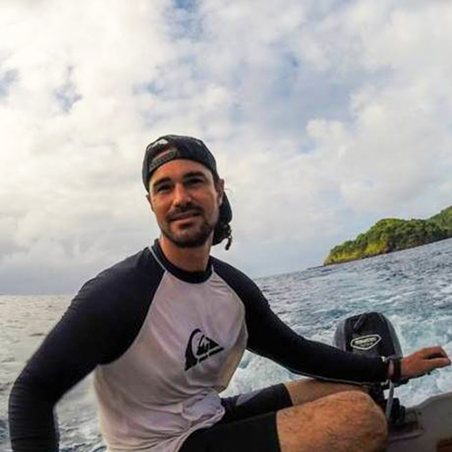
The guest speaker will be Peter Kilian, Research Assistant and Aquatic Animal Technician at the Bellono Lab at the Department of Molecular and Cellular Biology at Harvard University. The lab studies how diverse organisms sense and respond to changes in their environment.

Peter will be sharing his work on a paper which he co-authored that was recently published in Cell titled, “Molecular Basis of Chemotactile Sensation in Octopus.” Stories about this report, which describes how octopus can both touch and taste with their arms, have appeared in numerous newspapers, magazines, tv news shows and online journals, including The New York Times, CNN, Smithsonian Magazine and others.

As a research assistant and aquatic animal technician at Bellono Lab, Peter spends most of his time working with fish, sharks, cephalopods, and various other marine invertebrates to try and learn how and why they behave the way they do.

“So many of us on Maui are fascinated with octopuses, especially after ‘My Octopus Teacher’ launched on Netflix,” says Meredith Beeson, Project and Research Coordinator at Maui Nui Marine Resource Council. “We are excited to host this presentation by Peter Kilian, which will describe how Harvard researchers looked at the octopus at the molecular level to learn how the nervous system in the octopus’ arms — which operate largely independently from its centralized brain — allows these animals to both touch and taste their prey.”

The guest emcee will be Darla Palmer-Ellingson, local radio show host of the public affairs program, Island Environment 360 Maui’s only commercially broadcast public affairs show on environmental and related Hawaiian cultural topics. Her  program is made possible by H-Hawaii Media.

Maui Nui Marine Resource Council offers its monthly “Know Your Ocean Speaker Series” via Zoom, usually on the first Wednesday of the month. This month’s presentation was delayed due to Election Day and Veteran’s Day. Please note that this event will start at 3 pm, earlier than other “Know Your Ocean Speaker Series” talks, because the speaker is located in Massachusetts. If you wish to view the presentation, but cannot attend at 3 pm, please email [email protected] to receive emailed information about where and how to view the presentation later in the day.

To make a reservation for the live Zoom presentation, please visit https://bit.ly/OctopusTalk

The “Know Your Ocean Speaker Series” is made possible with support from the County of Maui Mayorʻs Office of Economic Development.

About our speaker:
Peter Kilian, Research Assistant and Aquatic Animal Technician at the Bellono Lab at the Department of Molecular and Cellular Biology at Harvard, has been interested in the mystery of animal behavior since a young age. His drive to work with animals originates from countless trips to the local zoo and aquarium when he was growing up. This curiosity continued to evolve in college, where Peter dove into his passion for animal work. While in college he spent time working as a beekeeper, a penguin aquarist at the New England Aquarium, and a pygmy octopus husbandry specialist in the mariculture lab at the Marine Biological Laboratory in Woods Hole, MA. He has since graduated from college, and now works full time in the Bellono Lab at Harvard as a research assistant and aquatic animal technician. He spends most of his time working with fish, sharks, cephalopods, and various other marine invertebrates to try and learn how and why they behave the way they do.


Maui Nui Marine Resource Council Wins $3,000 Award in Hogan/American Savings Bank Nonprofit Business Plan Competition

in /by

MĀ‘ALAEA, HI – The nonprofit Maui Nui Marine Resource Council (MNMRC) was awarded a $3,000 prize in the 2020 Hogan/American Savings Bank Nonprofit Business Plan Competition for a business plan titled, “Vision for Pohakea.”

“The goal of our Vision for Pohakea plan is to reduce sediment and pollutants in Māʻalaea Bay and Māʻalaea Harbor,” explains Amy Hodges, Programs and Operations Manager at Maui Nui Marine Resource Council. “Pohakea is the name of the 4,000+ acre watershed upslope from Māʻalaea Bay. Pohakea watershed has several gulches that all discharge into Māʻalaea Bay and the harbor. “

MNMRC’s business plan was one of only 8 plans selected as finalists from more than 40 other Hawai‘i nonprofit business plans submitted. Finalists were invited to present their plans to a panel of judges via Zoom, at a Chamindade University event held on October 14. MNMRC’s plan was presented by Amy Hodges, MNMRC’s Programs and Operations Manager, and Ekolu Lindsey, MNMRC Board Member.

MNMRC was awarded 4th place overall and a $3,000 prize, which it will use to help fund the “Vision for Pohakea” plan.

The plan explains that Māʻalaea Bay is a community resource — a place where people surf, fish, swim, paddle, whalewatch and embark on ocean adventures. “Unfortunately, the water quality in Mā‘alaea Bay is compromised by storm water and sediment run-off, as well as other pollution originating from land,” notes the plan. “This nearshore ocean pollution adversely impacts areas in Māʻalaea Bay that are important for recreation, and also undermines the health of coral reefs and sea turtle feeding areas just outside the harbor.”

To improve Māʻalaea Bay’s deteriorating ocean water quality, MNMRC is installing caged oysters in the bay. Oysters are natural filter feeders, with a single oyster capable of filtering 40 to 60 gallons of water per day, removing sediment and other pollutants. The first oysters were installed in early 2020, with new oysters added throughout the year. They are monitored every two weeks and are found to be thriving.

The second part of the project takes place in the Pohakea Watershed, implementing projects outlined in the Pohakea Stormwater Management Plan, which MNMRC commissioned Maui Environmental Consulting to produce in 2018.

MNMRC has been writing grants and raising funds to enact this plan over a multi-year period. Maui Nui Marine Resource Council applied for and received a $300,000 Resilient Communities Grant in 2019, made possible by the National Fish and Wildlife Foundation (NFWF) and the Wells Fargo Foundation, to enhance forest reserve resiliency through fuels management in the Pohakea watershed.

With funds from this grant, Maui Nui Marine Resource Council will establish and improve fuel breaks in strategically placed corridors to mitigate the pervasive cycle of wildfire and protect 3,414 acres of Forest Reserve in Māʻalaea,  part of the Pohakea watershed. That work is slated to begin later this year.

Additional funding for this project is provided by Hawaiʻi Tourism through the Aloha ʻĀina program and the County of Maui Mayor’s Office of Economic Development.


Ocean water quality is measured at several shoreline sites along Mā‘alaea Bay through the Hui O Ka Wai Ola citizen-based water quality monitoring program, co-founded and co-managed by Maui Nui Marine Resource Council, The Nature Conservancy and West Maui Ridge to Reef Initiative, working closely with the State of Hawai‘i Department of Health Clean Water Branch.

To gather baseline data about current ocean water quality throughout Māʻalaea Bay, MNMRC is also conducting regular kayak-based ocean water monitoring throughout the bay, using an electronic monitoring probe that provides a stream of data in real-time. The probe was purchased thanks to a generous grant from Lush Cosmetics Charity Pot.

Other support for implementing the “Vision for Pohakea” plan comes from a grant from the County of Maui Mayor’s Office of Economic Development.

To learn more about the Vision for Pohakea plan and how you can support it, please visit www.mauireefs.org.


Caption:
Maui Nui Marine Resource Council’s team takes a break from their work with the oysters at Māʻalaea Bay to display their award from the 2020 Hogan/American Savings Bank Nonprofit Business Plan Competition. From left to right: Grace Silver, Amy Hodges and Meredith Beeson.


Please note: The views and conclusions contained in this document are those of the authors and should not be interpreted as representing the opinions or policies of the U.S. Government or the National Fish and Wildlife Foundation and its funding sources. Mention of trade names or commercial products does not constitute their endorsement by the U.S. Government, or the National Fish and Wildlife Foundation or its funding sources.

“Sewage Impacts on Hawaiʻi’s Coastlines: Past, Present and Future” a “Know Your Ocean” Webinar

in /by

Part of Maui Nui Marine Resource Councilʻs Online “Know Your Ocean Speaker Series”

Watch the presentation on our YouTube channel: https://youtu.be/80r7tzV3RiU

What will determine the future impacts of sewage on Hawai’i’s nearshore ecosystems and public health? Daniel Amato, Ph.D., presented “Sewage Impacts on Hawaiʻi’s Coastlines: Past, Present and Future” which included recent research and the latest information on Hawaiʻi’s wastewater saga. The webinar took place on Wednesday, October 7 and was presented by Maui Nui Marine Resource Council as part of their monthly “Know Your Ocean Speaker Series.” Advance reservations are recommended as the Zoom webinar is limited to 100 attendees.

“My talk will share reports on how injection wells and cesspools continue to pollute Hawaiʻi’s waters, with an emphasis on recent Maui studies,” says Dr. Amato. ”I will also present recent decisions from the Hawaiʻi State Legislature and the current status of their effort to phase out cesspools.”

Dr. Amato will also discuss the current situation with sewage pollution in Hawai’i, and will present community efforts and new technological developments in sewage detection that show promise for the future.

A water quality specialist, Dr. Amato’s professional work focuses on the detection and impacts of land-based pollution in the Pacific Ocean and the development of new technology to assist in detecting the DNA of fecal indicator bacteria (FIB) in the water. Dr. Amato is a Marine Research Specialist at the University of Hawaiʻi at Manoa, an Environmental Scientist at Element Environmental LLC, and serves as the coordinator for Surfrider-Oahu’s Blue Water Task Force.

“We are offering this webinar by Dr. Amato to share important information about sewage and its impact on Maui’s coastlines, including ocean water quality and our nearshore coral reefs,” says Amy Hodges, Programs and Operations Manager at Maui Nui Marine Resource Council. “It’s a critically important topic, at a time when our coral reefs need the benefit of clean ocean water, to survive the impacts of climate change and warming water.”

“We thank the County of Maui Mayorʻs Office of Economic Development for supporting our Know Your Ocean Speaker Series,” says Hodges.

Want to learn more? Watch the presentation on YouTube – click below. You can also read about some ways to help in this article in Maui Times about wastewater in Maui County: https://mauitimes.news/flushing-money-down-the-drain/.

About Maui Nui Marine Resource Council:
Maui Nui Marine Resource Council is a community-based nonprofit organization celebrating 12 years of working for healthy coral reefs, clean ocean water, and abundant native fish throughout Maui County. Our work includes co-managing the Hui O Ka Wai Ola Ocean Water Quality Monitoring Program in South and West Maui, efforts to reduce pollution in Mā‘alaea Bay (through erosion-control efforts in the Pohakea watershed and using oysters to filter sediment and pollutants from ocean water), coral reef research, visitor education programs and more.

Free Oct. 7 Webinar by Daniel Amato, Ph.D. on “Sewage Impacts on Hawaiʻi’s Coastlines: Past, Present and Future”

in /by

Part of Maui Nui Marine Resource Councilʻs Online “Know Your Ocean Speaker Series”

What will determine the future impacts of sewage on Hawai’i’s nearshore ecosystems and public health? Learn more at a free Zoom webinar titled “Sewage Impacts on Hawaiʻi’s Coastlines: Past, Present and Future” by Daniel Amato, Ph.D., which will include recent research and latest information on Hawaiʻi’s wastewater saga. The webinar will take place on Wednesday October 7 at 5:30 pm and is free and open to the public. It is presented by Maui Nui Marine Resource Council as part of their monthly “Know Your Ocean Speaker Series.” Advance reservations are recommended as the Zoom webinar is limited to 100 attendees. Make your free reservation at https://bit.ly/MauiSewage
“My talk will share reports on how injection wells and cesspools continue to pollute Hawaiʻi’s waters, with an emphasis on recent Maui studies,” says Dr. Amato. ”I will also present recent decisions from the Hawaiʻi State Legislature and the current status of their effort to phase out cesspools.”

Dr. Amato will also discuss the current situation with sewage pollution in Hawai’i, and will present community efforts and new technological developments in sewage detection that show promise for the future.

A water quality specialist, Dr. Amato’s professional work focuses on the detection and impacts of land-based pollution in the Pacific Ocean and the development of new technology to assist in detecting the DNA of fecal indicator bacteria (FIB) in the water.Dr. Amato is a Marine Research Specialist at the University of Hawaiʻi at Manoa, an Environmental Scientist at Element Environmental LLC, and serves as the coordinator for Surfrider-Oahu’s Blue Water Task Force.

“We are offering this webinar by Dr. Amato to share important information about sewage and its impact on Maui’s coastlines, including ocean water quality and our nearshore coral reefs,” says Amy Hodges, Programs and Operations Manager at Maui Nui Marine Resource Council. “It’s a critically important topic, at a time when our coral reefs need the benefit of clean ocean water, to survive the impacts of climate change and warming water.”

“We thank the County of Maui Mayorʻs Office of Economic Development for supporting our Know Your Ocean Speaker Series,” says Hodges.

For reservations for this talk, visit https://bit.ly/MauiSewage.

About Maui Nui Marine Resource Council:
Maui Nui Marine Resource Council is a community-based nonprofit organization celebrating 12 years of working for healthy coral reefs, clean ocean water and abundant native fish throughout Maui County. Our work includes co-managing the Hui O Ka Wai Ola Ocean Water Quality Monitoring Program in South and West Maui, efforts to reduce pollution in Mā‘alaea Bay (through erosion-control efforts in the Pohakea watershed and using oysters to filter sediment and pollutants from ocean water), coral reef research, visitor education programs and more. Learn more at www.mauireefs.org.

New Coral Reef Signs Installed at 39 Maui Beaches

in /by

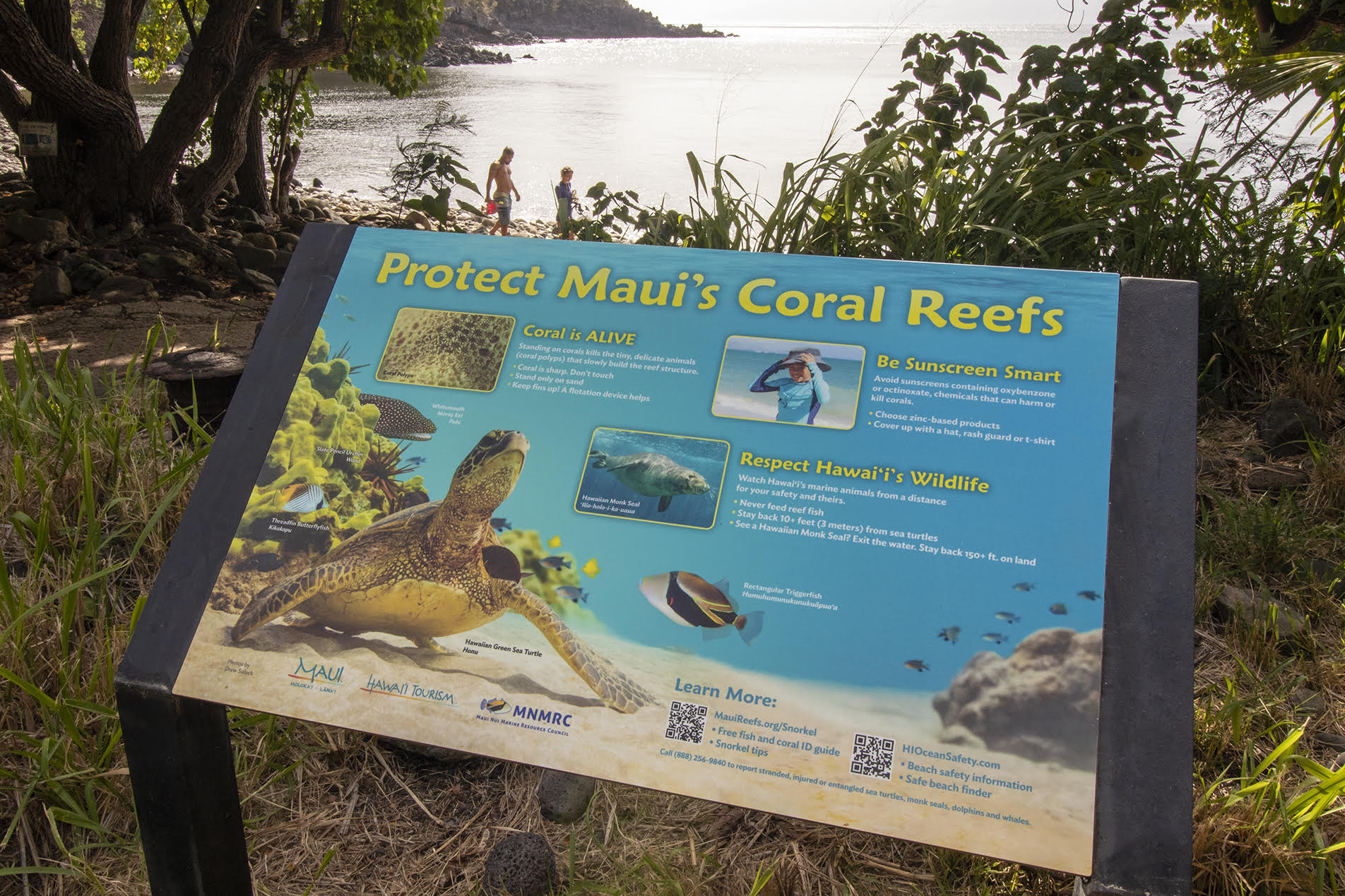
To help visitors and residents protect Maui’s coral reefs, the nonprofit Maui Nui Marine Resource Council has installed new coral reef information signs at 39 Maui beaches.

The signs feature large colorful photos of sea turtles, corals and marine life, and the headline, “Protect Maui’s Coral Reefs.” The signs instruct beachgoers to avoid walking or standing on coral because coral is alive and easily damaged by such actions. Other advice includes choosing sunscreen that’s free of reef-harming oxybenzone and octinoxate, and protecting sea turtles and other wildlife by giving them their space.

“Our goal was to use colorful eye-catching photography to attract people to the signs and then to provide friendly and compelling information about the basics of protecting the reefs while they snorkel, swim, dive, paddle or surf,” said Mike Fogarty, Acting Director of Maui Nui Marine Resource Council. “We’re very pleased with the result and the positive reaction from the public.”

Maui Nui Marine Resource Council was able to create and produce these signs with support provided by Hawaiʻi Tourism plus assistance from Maui Visitors Bureau.

The signs were designed by Geoff Moore, owner of Silver Moon Art and Design in Pāʻia. Photographs for the sign were donated by Drew Sulock, a local nature/adventure photographer and owner of Drew Sulock Creations.

Thorne Abbott of Coastal Planners, LLC donated time to help Maui Nui Marine Resource Council with permitting requirements. The County of Maui Department of Parks and Recreation also provided assistance in planning the installation of the signs at County parks.

The signs were installed by two local companies: Maui Rebuilders LLC and Maui Neon & Signs.

Twenty-nine of the signs are replacements for coral reef information signs created and installed about ten years ago by Project S.E.A.-Link. The signs had since become faded and weather-worn. An additional ten signs were installed at new locations, including Hoʻokipa, Launiupoko and Polo Beach.

“I’m really proud to have been an ongoing part of this public awareness campaign, and to have the opportunity to update the graphics and messaging to be fresh and relevant,” said Geoff Moore, who had designed both the original signs and the newly installed signs. “It’s important to me to inform Maui’s ocean users about protecting our coral reefs. I believe this will give the animals there the best opportunity to survive amongst so many environmental challenges.”

The coral reef information signs include a link to a snorkeling information page at www.mauireefs.org/snorkel which was created by Maui Nui Marine Resource Council and includes free downloadable fish cards, instructional videos and other information about snorkeling on Maui.

“The coral reef signs help to reinforce messages that visitors will see on the window displays that Maui Nui Marine Resource Council installed at the Kahului Airport,” says Fogarty. “We’re now planning public service announcements and social media advertising to provide additional reinforcement of these important reef conservation points.”

Maui Nui Marine Resource Council is a community-based nonprofit celebrating 12 years of working for healthy coral reefs and clean ocean water for the islands of Maui County. To learn more, please visit www.mauireefs.org.


Know Your Ocean: Why some people care about Maui’s reefs — and others don’t.

in , /by

Have you ever wondered why some people care — and others seemingly don’t — about protecting Maui’s coral reefs? Imagine if you could climb into their minds to understand what causes visitors and residents of Maui to be motivated (or not) to care for our reefs through their behaviors and actions. How would that help your community be more effective in protecting its reefs?

Find out more about the social and psychological factors that influence human behavior in our nearshore environments, based on a recent joint study conducted in West Maui by Polanui Hiu, The Nature Conservancy, and Stanford University.

You’ll meet Francisca (Kika) Santana, the leader of the study and a fourth-year PhD candidate at Stanford’s Emmett Interdisciplinary Program in Environment and Resources. Her team surveyed 300 reef users and learned about their reef-based activities, perceptions of reef health, their social-psychological indicators (such as place attachment and self-efficacy), and pro-environmental behavioral intentions. Alana Yurkanin, Maui Marine Project Manager at The Nature Conservancy, will also share her insights on the survey results.

During the webinar, you’ll also be transported to Polanui, a small, popular beach in Lāhaina, protected by an offshore reef named Nā Papalimu O Pi‘ilani. For generations, this reef sustained Hawaiian families with its abundance of fish and edible limu (algae). Sadly, that abundance has vanished and Polanui now has the lowest fish biomass in Hawai’i, meaning its fish are smaller and fewer than all other sites surveyed across the state.

You’ll meet Ekolu Lindsey and the Polanui Hiu, a local community group that he co-founded that works to restore the resources and Hawaiian traditions once practiced along this shore. Find out about their work and the results of recent human use and creel surveys conducted at Polanui (surveys of beachgoer and angler activity in the nearshore waters of this area).

“Let’s learn together to find ways to be more effective in bringing about positive change for our reefs, both now while tourism is largely absent, and later when visitors begin to visit Maui again,” says Amy Hodges, Programs and Operations Manager at Maui Nui Marine Resource Council. “This free webinar is offered as part of our Know Your Ocean Speaker Series, offered online due to Covid-19.”


PRESENTERS:

Francisca (Kika) Santana is a fourth-year Ph.D. candidate in the Emmett Interdisciplinary Program in Environment and Resources (E-IPER). She studies how individuals and groups respond to environmental change and climate risk. Specifically, her research investigates how individuals make protective health decisions in response to wildfire smoke, what motivates coastal users to take pro-environmental action in a declining coral reef environment on Maui, Hawaiʻi, and how communities respond to land loss and restoration efforts in coastal Louisiana. She draws from theories and methods in sociology, environmental and social psychology, and decision science. Before pursuing her degree at Stanford, Francisca worked on energy and marine policy issues in the nonprofit and government sectors. She received a master’s degree in environmental science and management from UC Santa Barbara and a BA in history from Yale University.


Edwin “Ekolu” Lindsey
Raised on Maui (where he loved visiting his grandparents’ home in Lahaina to surf, swim, and fish in the waters of Polanui), Ekolu graduated from Kamehameha Schools on O‘ahu, and earned a B.B.A. at the University of Hawaiʻi at Mänoa. Ekolu’s parents — Ed Lindsey, a Native Hawaiian and lifelong schoolteacher, and Puanani Lindsey — co-founded Maui Cultural Lands in 2002. Ed Lindsey also co-founded Maui Nui Marine Resource Council in 2007 with marine biologist Robin Newbold. After his father passed away in 2009, Ekolu assumed the role of president of Maui Cultural Lands.  He carries forward his family’s legacy of service and their vision of protecting and restoring Hawaiian cultural resources and the marine environment. In July 2015, he completed a ten-day, 500-mile journey aboard the voyaging canoe Hikianalia to the Papahänaumokuäkea Marine National Monument in the Northwestern Hawaiian Islands to conduct reef surveys and fish monitoring to help better manage Hawai‘i’s marine resources. Ekolu also cofounded Polanui Hiu, the first Community Managed Makai Area (CMMA) on Maui. Ekolu is a member of Maui Nui Marine Resource Council’s Board of Directors.


Alana Yurkanin
Alana is the Maui Marine Project Manager at The Nature Conservancy and serves on the Steering Committee of Hui O Ka Wai Ola, a unique community-based ocean water quality monitoring program on Maui. Alana grew up in Hawai’i with a fisherman as a father. From all of her time spent in and around the ocean, she wanted to protect and continue to understand the environment along and beyond the coast – as well as the people and culture so intrinsically connected to our surroundings. In 2014, she completed a Master’s degree in Environmental Science and Management with a specialization in Coastal Marine Resource Management and a focus in Strategic Communications at the Bren School, UC Santa Barbara. During her program at Bren, she focused her studies on topics relevant to natural resource management, fisheries management strategies, storytelling, communication and media, coastal ecology, project management, and marine science. Additionally, she has a background in environmental education, marine science education, outdoor education, ecotourism, seamanship, team building, international aid work, performing arts, homesteading, and farming.

Special thanks to the County of Maui Mayor’s Office of Economic Development for helping to make this presentation possible.

PHOTO CAPTION:
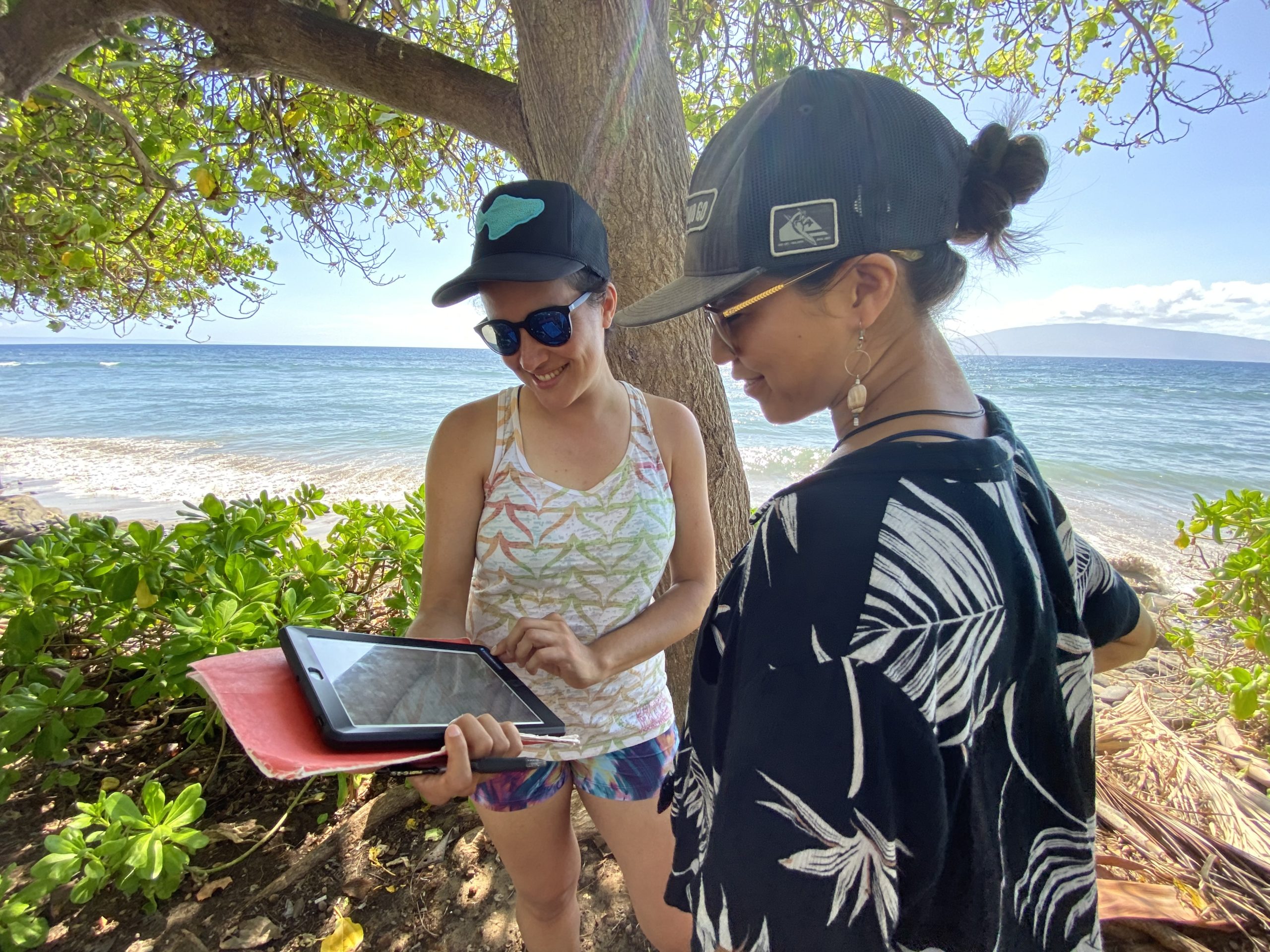
Kika Santana (left) and Marie Janiszewski (right) review a survey response about reef-based activities, perceptions of reef health, their social-psychological indicators (such as place attachment and self-efficacy), and pro-environmental behavioral intentions.

50th Anniversary of Earth Day

in /by

Due to COVID-19, big gatherings are not part of Earth Day 2020, the 50th Anniversary of Earth Day. But there’s so much you can do at home in honor of Earth Day to help shape a better future for our planet and our island home.

Check out these ideas:

1. Get informed. Learn what sea level rise caused by climate change will do to the shorelines, reefs and your favorite beaches in Maui County. Visit the Hawaii Sea Level Rise Viewer at https://www.pacioos.hawaii.edu/shoreline/slr-hawaii/.

2. Share what you’re observing here in Hawaii — beach loss, shoreline erosion, declining coral reefs, fewer reef fish — with friends and family worldwide. We need an informed public to understand what’s at stake and to vote for candidates who will actively work to fight climate change.

3. Help keep Maui County’s corals as resilient and as healthy as possible by keeping reef-harming chemicals out of the ocean. Choose sunscreens that don’t contain reef-harming oxybenzone and octinoxate. Learn more at https://www.mauireefs.org/sunscreens/

4. Remember, whatever you use in your home or yard will eventually find its way into the ocean. Pledge to stop using pesticides and herbicides in your landscaping, home and place of business. If you live in a condo, talk with your property manager about choosing non-toxic alternatives.

5. Dispose of unwanted or expired prescription medicines properly — never flush them down your toilet. When medications are flushed down a toilet or drain, they enter our wastewater treatment systems, which are not designed to remove medications. Some medications such as hormones and antidepressants include endocrine disrupting compounds (EDCs), which interfere with the reproduction and normal growth of many aquatic species, including fish.

Visit https://www.cvs.com/content/safer-communities-locate to find the CVS location nearest you that will accept unwanted medications.

6. Join the movement to prevent plastic pollution. Carry a set of lightweight cutlery in your purse or car so you can skip single use plastic utensils. Consider packaging as well as price when you shop. Learn more about the bill passed recently by the Maui County Council that bans nearly all sales and use of plastic disposable food ware in Maui County. Encourage Maui County Mayor Michael Victorino’s to approve it.

https://www.mauinews.com/news/local-news/2020/04/near-ban-on-plastic-disposable-utensils-okd/

7. Help prevent sediment-laden stormwater runoff; it is harmful to Maui’s nearshore reefs. In your yard, cover bare soil with mulch or plants to prevent runoff. Create a small soil berm in a ring around new plants to contain water. Incorporate permeable materials (like permeable pavers) into your patios, driveway, and walkways.

8. Educate the next generation. Check out the American Museum of Natural History’s curated list of Earth Day videos and plan an Earth Day watch party with your family. https://www.youtube.com/playlist?list=PLrfcruGtplwH76Sryqpk7nXf0YIEM0piZ

Humanity is working together in amazing ways to fight the coronavirus pandemic. The impossible is possible if we all work together for our planet. Happy Earth Day!

Free Oct. 7 Webinar by Daniel Amato, Ph.D. on “Sewage Impacts on Hawaiʻi’s Coastlines: Past, Present and Future”

in /by

What will determine the future impacts of sewage on Hawai’i’s nearshore ecosystems and public health? Learn more at a free Zoom webinar titled “Sewage Impacts on Hawaiʻi’s Coastlines: Past, Present and Future” by Daniel Amato, Ph.D., which will include recent research and latest information on Hawaiʻi’s wastewater saga. The webinar will take place on Wednesday October 7 at 5:30 pm and is free and open to the public. It is presented by Maui Nui Marine Resource Council as part of their monthly “Know Your Ocean Speaker Series.” Advance reservations are recommended as the Zoom webinar is limited to 100 attendees. Make your free reservation at https://bit.ly/MauiSewage
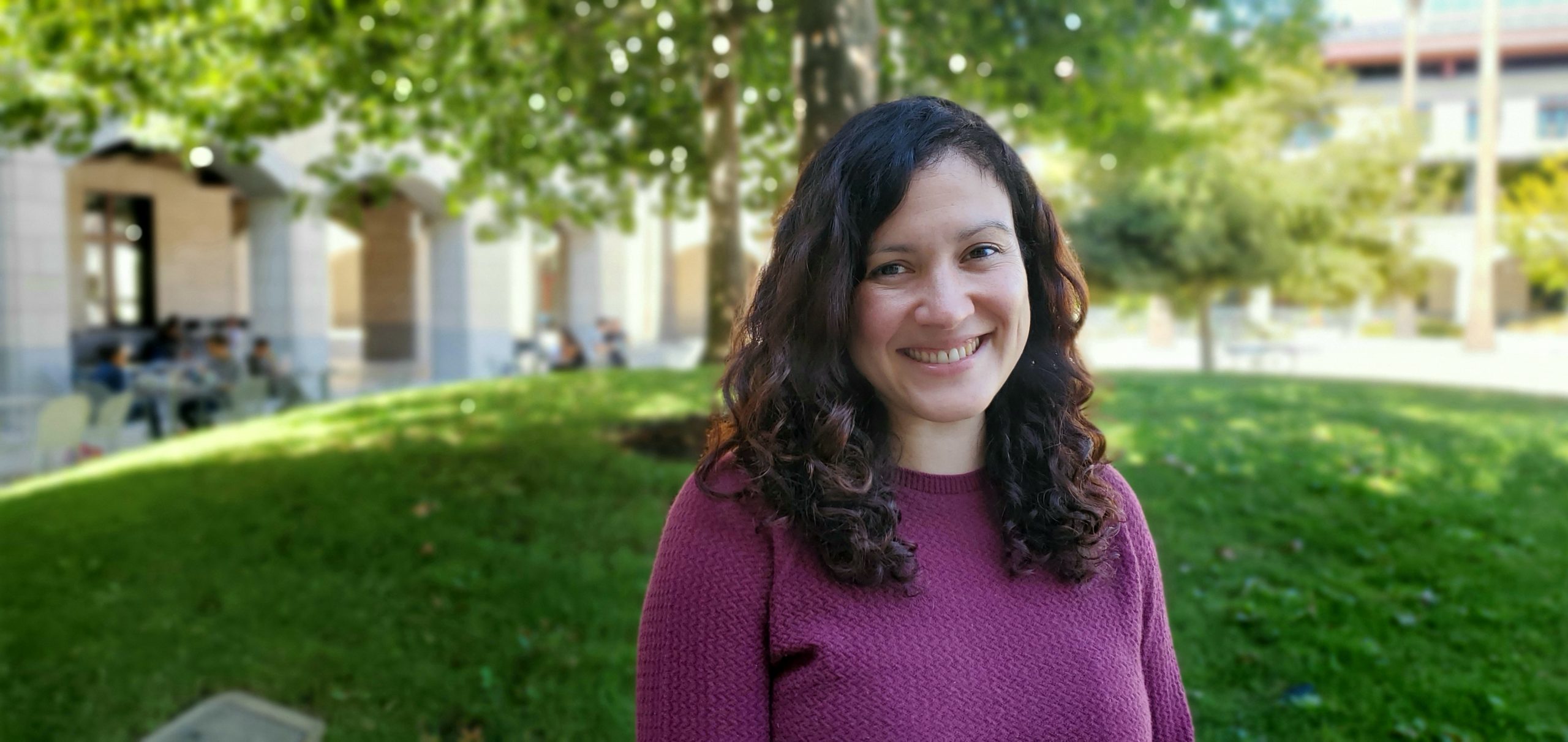
“My talk will share reports on how injection wells and cesspools continue to pollute Hawaiʻi’s waters, with an emphasis on recent Maui studies,” says Dr. Amato. ”I will also present recent decisions from the Hawaiʻi State Legislature and the current status of their effort to phase out cesspools.”

Dr. Amato will also discuss the current situation with sewage pollution in Hawai’i, and will present community efforts and new technological developments in sewage detection that show promise for the future.

A water quality specialist, Dr. Amato’s professional work focuses on the detection and impacts of land-based pollution in the Pacific Ocean and the development of new technology to assist in detecting the DNA of fecal indicator bacteria (FIB) in the water.Dr. Amato is a Marine Research Specialist at the University of Hawaiʻi at Manoa, an Environmental Scientist at Element Environmental LLC, and serves as the coordinator for Surfrider-Oahu’s Blue Water Task Force.

“We are offering this webinar by Dr. Amato to share important information about sewage and its impact on Maui’s coastlines, including ocean water quality and our nearshore coral reefs,” says Amy Hodges, Programs and Operations Manager at Maui Nui Marine Resource Council. “It’s a critically important topic, at a time when our coral reefs need the benefit of clean ocean water, to survive the impacts of climate change and warming water.”

“We thank the County of Maui Mayorʻs Office of Economic Development for supporting our Know Your Ocean Speaker Series,” says Hodges.

For reservations for this talk, visit https://bit.ly/MauiSewage.

About Maui Nui Marine Resource Council:
Maui Nui Marine Resource Council is a community-based nonprofit organization celebrating 12 years of working for healthy coral reefs, clean ocean water and abundant native fish throughout Maui County. Our work includes co-managing the Hui O Ka Wai Ola Ocean Water Quality Monitoring Program in South and West Maui, efforts to reduce pollution in Mā‘alaea Bay (through erosion-control efforts in the Pohakea watershed and using oysters to filter sediment and pollutants from ocean water), coral reef research, visitor education programs and more. Learn more at www.mauireefs.org.


Free Presentation on Using Artificial Reefs and Other Offshore Wave Dissipation Techniques to Protect Eroding Coastlines on Maui

in , /by

The public is invited to a free presentation on Wednesday, January 2 that will explore artificial reefs and other offshore wave dissipation techniques that could be used to reduce coastal erosion on Maui. The presentation is part of Maui Nui Marine Resource Council’s monthly meeting series, which is free and open to all.

The presentation will take place from 5:30 to 7:00 pm at Pacific Whale Foundation’s classrooms at the Ma’alaea Harbor Shops at 300 Ma’alaea Road, Wailuku. Doors open at 5:00 pm. Refreshments will be served.

The presentation will be offered by Dr. Michael Foley, a Professional Engineer and leader of the Resilient Sustainable Engineering (RiSE) team at Oceanit, a company with headquarters in Honolulu that employs more than 160 scientists and  engineers.

Considered one of the state’s leading experts on shoreline erosion, Foley has designed artificial reef systems to provide coastal protection and promote coral reef habitats. He has also been a key contributor to understanding issues and identifying solutions for beach erosion and sand depletion.

Dr. Foley grew up on Maui. He is an avid surfer, serves on the Board of Directors of the Hawaii Shore and Beach Preservation Association, and volunteers with the Surfrider Foundation.  He earned his Ph.D. from the University of Hawaiʻi at Mānoa, specializing in the application of submerged breakwaters (artificial reefs) that provide coastal and harbor protection while simultaneously providing ecological and recreational value as coral reef habitat and surf breaks.

“Many of us on Maui are wondering what can be done about shoreline erosion and the loss of beaches and coastal areas,” says Amy Hodges, Programs Manager at Maui Nui Marine Resource Council. “Dr. Foley’s talk will explore some innovative options that could be considered to help reduce shoreline loss.”

According to the company’s website, “Oceanit is committed to pursuing responsible solutions to the world’s most difficult problems, blending interdisciplinary science, technology, engineering, and innovative thinking to benefit our global community. Through spin-outs, co-development partnerships, licensing, and direct manufacturing, Oceanit is able to deliver solutions to market. Oceanit calls this practice ‘Mind-to-Market’; delivering deep science to disruptive, real-world breakthroughs.”

With headquarters in Honolulu, Oceanit employs over 160 scientists and engineers in Hawai’i, California, Texas, and Washington, D.C and has built its culture upon values of Ohana, Curiosity, and Community. To learn more, visit www.oceanit.com.

Maui Nui Marine Resource Council is a nonprofit organization celebrating 11 years of working for healthy coral reefs, clean ocean water and abundant native fish. To learn more, visit www.mauireefs.org