Posts

USA Today: Coral reefs are dying. What one Hawaii resort is doing to help.

in /by

The MNMRC Reef Friendly Landscaping is continuing to draw attention after our first certification: the Four Seasons Resort on Lanai.  In this article, USA Today reporter Kathleen Wong describes what the program is about and why Four Seasons thought it was important to obtain RFL certification. Read the story here:

https://www.usatoday.com/story/travel/2023/04/30/what-is-organic-landscaping-four-seasons-lanai/11635530002/


(Photo credit: Four Seasons Lanai)

Take a Virtual Dive with Hawaii’s Whale Sharks in Next Know Your Ocean Speaker Series Webinar

in /by

KIHEI, HI — Hawaiian waters are popular for ocean migrants, from humpback whales to green sea turtles to great white sharks, but did you know that the largest fish in the world visits the islands as well? Whale sharks, which can grow up to 60 feet, have eluded residents and scientists alike, but Kona-based Hawaii Uncharted Research Collective (HURC) is working to understand more about these gentle giants.

The public is invited to learn about HURC and these animals in a free presentation, “A look at whale sharks in Hawaii: A research effort for the conservation of an endangered species,” led by HURC founder Maria Harvey. The Zoom presentation will be held on Wednesday, Aug. 3 at 5:30 pm as part of Maui Nui Marine Resource Councilʻs monthly Know Your Ocean Speaker Series, sponsored by the County of Maui. Admission is free, but advanced registration is required. To register, visit https://bit.ly/ WhaleSharkWebinar.

Harvey founded HURC in 2017 with a mission to conduct research on whale sharks and other marine organisms in Hawaiian waters, focusing on population dynamics, ecology, animal behavior and human impacts. HURC merges community engagement with scientific research, relying on citizen science and field studies to better understand how and why these sharks use Hawaii’s offshore areas. Findings from this research will support local and global efforts to conserve whale sharks and their environment.

Her presentation will cover how and why Hawaii Uncharted Research Collective was formed and will give viewers a glance at the organization’s research projects. It will also provide information on localized and global threats to whale sharks, dive into some of HURC’s results so far, and discuss the future of the organization and other conservation efforts.

“Hawaii Uncharted Research Collective provides an avenue to couple my research and education background with my love for the Hawaiian Islands, ocean conservation, and the charismatic whale sharks that inhabit the deep blue waters of the Pacific,” said Harvey. “I’m excited to share the story of HURC and what we’ve accomplished since our founding.”

Whale sharks are found worldwide in tropical seas, preferring open waters where they can be found filter feeding with their large mouths on some of the smallest marine organisms, plankton. They are currently listed as “endangered,” mainly due to fishing pressure, accidental catch and vessel strikes. Capable of living upwards of 100 years, very little is known about these animals, especially those in Hawaiian waters. HURC’s research hopes to contribute to worldwide scientific investigations into these mysterious and threatened animals.

“Hawaii truly is a remarkable place for marine wildlife,” said Mike Fogarty, Executive Director of Maui Nui Marine Resource Council. “We’re excited to share Maria’s work with the larger public and hear ways that residents and visitors alike can contribute to local efforts to research and protect these charismatic sharks.”

To reserve your spot, visit https://bit.ly/WhaleSharkWebinar.

About Maria Harvey:
Maria Harvey graduated from the University of Hawaii in 2009 with a bachelor’s degree in Marine Science and is currently working on her graduate degree in Fish, Wildlife and Conservation Biology. Maria’s love for the ocean, education, wilderness and research has taken her all over the world in recent years. Notably, Maria has worked in Alaska, Hawaii, Canada, Mexico and Cape Cod. During her travels, she has worked as a Captain, naturalist, expedition guide and assistant researcher, and is currently a level-4 marine animal disentanglement specialist. Her work and studies have encompassed a variety of species, including spinner dolphins, humpback whales, right whales, bottlenose dolphins, leatherback turtles and whale sharks. In recent years, Maria has been a guest lecturer and distinguished speaker for private universities and cruise operations, including the University of Pennsylvania’s Veterinary School, Georgetown University and UnCruise Adventures.

In her free time, Maria loves to travel and backpack. Just last year, she completed the 211-mile John Muir Trail. When she isn’t on the water or hiking, she loves to spend time with her two beloved golden retrievers, Samantha and Palmer. One day, Maria would love to own an animal sanctuary in honor of her favorite four-legged critter, Melvin the pig (Instagram: @melvinpig).

“Rally for the Reefs” webinar on Thursday, June 16 will focus on saving the reefs of Māʻalaea Bay

in /by

Speakers Stuart Coleman, Rep. Angus McKelvey and Maui County Councilmember Kelly King will provide updates on Māʻalaea wastewater treatment options

MĀʻALAEA, HI – Longtime Māʻalaea resident Peter Cannon remembers that during his childhood, “the coral reefs of Māʻalaea Bay were like the robust and healthy reefs that you see today at the ʻĀhihi-Kīnaʻu Natural Area Reserve.” He recalls that local families enjoyed harvests of ribbon limu from the bay, and there was an abundance of native fish and opae.

Since the 1970s, the coral reefs in Māʻalaea Bay have degraded so severely that Hawaii’s Division of Aquatic Resources (DAR) has described the situation as “a case study in total system collapse.” In their report, “Status and Trends of Maui’s Coral Reefs” DAR in partnership with the Coral Reef Assessment and Monitoring Program reported on their 1999 monitoring in Māʻalaea Bay and noted that the “end result of reef degradation is evident in Māʻalaea Bay.”

The report noted that in 1972, “Māʻalaea coral reefs were described as being ‘striking in their diversity and in the presence of rare corals species’. As late as 1993, estimated coral cover was 50- 75% close to the site where cover is now 8%. Therefore, in just a few decades, the Māʻalaea reef has transformed from a healthy and diverse ecosystem into a badly degraded habitat overgrown by algae and with little surviving coral.”

The report also noted that fish stocks in in Māʻalaea are now in very poor condition, and the reefs have been invaded by alien and invasive algae species.

Declining ocean water quality in Māʻalaea Bay is a major contributor of the decline. A new report for the years 2019 – 2022 by the Hui O Ka Wai Ola community-based ocean water quality monitoring program indicates that Māʻalaea Bay has excessive levels of nitrates, second only to the levels in Kihei Cove, of all the sites the program monitors along the leeward Maui coast.

What can Maui County residents and visitors do to improve the ocean water quality and save the reefs of Māʻalaea Bay? Learn about the steps that are proposed — and how individuals can help – at an online Rally for the Reefs webinar to be held on Thursday, June 16 at 5:30 pm via Zoom.

Admission is free, but reservations are required. To reserve your spot, visit https://bit.ly/Rally4Reefs.

The “Rally for the Reefs” webinar will feature presentations by:

Stuart Coleman
Founder and Executive Director of WAI (Wastewater Alternatives & Innovations)
Coleman will discuss modern wastewater alternatives and innovations that will make it possible to reduce the pollution that has been harming the corals in Māʻalaea Bay.

Maui County Councilmember Kelly Takaya King
(Holds the County Council seat for South Maui)
Councilmember King will discuss the funding for the improved wastewater treatment system for Māʻalaea in the County’s 2023 budget and the steps ahead to make this system a reality.

State Representative Angus L.K. McKelvey
(Representing West Maui – Māʻalaea – North Kihei)
Representative McKelvey will explain how the State can help establish improved wastewater treatment in Māʻalaea, and why the proposed wastewater treatment project in Māʻalaea could serve as a model for other small communities throughout Hawaii that are looking for replacements for cesspools, injection wells and septic systems.

“The community has been working hard to identify and address the problems that have undermined the ocean water quality of Māʻalaea Bay and harmed the coral reefs,” said Mike Fogarty, Executive Director of Maui Nui Marine Resource Council. “We’ve now reached critical junctures that will decide if and when some of the proposed solutions to the problems of water pollution and reef loss will be addressed. We need to act now to save Māʻalaea’s reefs before it’s too late. Please attend the Rally for the Reefs to learn what can and should be done.”

The Rally for the Reefs webinar is sponsored by WAI, Maui Ocean Center, Māʻalaea Village Association, Maui Nui Marine Resource Council, Maui Ocean Center Marine Institute and Sierra Club Maui Group.

To register to attend this free Zoom event, please visit https://bit.ly/Rally4Reefs.

Public Invited to Free Zoom Presentation on Solving Climate Change with the World’s Mightiest Seaweed

in /by

Discover a Hawai’i Grown Solution to the Global Climate Challenge on Wednesday May 4 at 5:30 pm

KIHEI, HI –  Learn how the startup company Symbrosia is working to solve climate change by reducing livestock methane emissions with seaweed that’s grown sustainably in Hawaiʻi, at a free Zoom presentation offered on Wednesday, May 4 at 5:30 pm. The presenters will be Daisy Stock and Kylie Tuitavuki of Symbrosia.

This Zoom presentation is offered as part of Maui Nui Marine Resource Council’s Know Your Ocean Speaker Series, supported by the County of Maui Office of Climate Change, Resiliency and Sustainability. Admission is free, but preregistration is required. To sign up, visit https://bit.ly/SymbrosiaWebinar.

“Symbrosia has been developing a breakthrough seaweed supplement that, when sprinkled into animal feed, increases growth rates and reduces the methane emissions from cows by over 90%,” Tuitavuki reports.

The seaweed is Asparagopsis taxiformis, which Symbrosia views as the sustainable feed material of the future for the world’s millions of farmers and billions of farm animals.

“We are collecting, cultivating and partnering with ranchers and farmers throughout the Hawaiian Islands, to support local food systems and the local economy while also fighting against climate change,” notes Stock, who is the R&D Manager at Symbrosia. “Our team is currently scaling up sustainable production in Kailua Kona, HI at Symbrosia’s pilot facility.”

“The United Nations has declared 2020-2030 the ‘decade of ecosystem restoration’,” said Tuitavuki, a member of Symbrosia’s Business Development team. “While seaweed has long been touted for its impressive array of restorative ecosystem services, only recently has research started to uncover algae’s potential within the food, animal feed, and biofuel sectors.”

“Maui Nui Marine Resource Council is pleased to offer this talk as part of our Know Your Ocean Speaker Series,” comments Meredith Beeson, who coordinates the monthly speaker series. “We look forward to helping our community learn about a potential solution that can help address livestock methane pollution, which currently accounts for 6% of the world’s greenhouse gas emissions.”

“If enough cows, sheep, and goats start snacking on this methane-vanquishing seaweed, it will prevent gigatons of greenhouse gases from entering the atmosphere and will bring the entire animal agriculture industry one big step closer to being carbon neutral,” reports the Symbrosia website. “This will make a huge difference in the fight against climate change.”

To learn more about Symbrosia, please visit https://symbrosia.co.

The Know Your Ocean Speaker Series is hosted by the nonprofit Maui Nui Marine Resource Council on the first Wednesday of each month and is funded in part by the County of Maui Office of Climate Change, Resiliency and Sustainability and by donations from individuals and businesses in the community. To learn more, visit www.mauireefs.org.

To reserve your free spot at this talk, please visit https://bit.ly/SymbrosiaWebinar

About Daisy Stock
Leading the R&D team at Symbrosia, Daisy investigates novel approaches to A. taxiformis strain selection and development. Prior to joining the team, she worked in a NASA laboratory investigating the origin of life through isotopic analysis of meteoric material. While earning her B.S. in Marine Science from UC Berkeley, Daisy completed her undergraduate thesis on light sensory mechanisms of sea urchin and contributed to marine conservation research in Panama, Mo’orea, Hawai’i, and California. Daisy is passionate about inclusive, community-oriented science and is excited for the future of marine based approaches to climate change mitigation.

About Kylie Tuitavuki
As a member of the Business Development team, Kylie facilitates outreach, community building, and story-telling for Symbrosia’s partners throughout the Hawaiian Islands. In addition to her work at Symbrosia, Kylie is a current graduate student at UH Mānoa investigating the long-term sustainability of indigenous cropping systems and their potential for revitalization that would support local food systems.  While earning a B.A. in Anthropology and Integrative Biology at UC Berkeley, Kylie completed her senior thesis on the impact of long-term agricultural management strategies on soil health and has worked on several community-based research projects in Vanuatu, Mo’orea, and Hawai’i. Kylie is passionate about equitable, inclusive, and community centered research and is thrilled to uplift local and underserved communities in the fight against climate change.

About Maui Nui Marine Resource Council

Maui Nui Marine Resource Council (MNMRC) is a Maui-based non-profit organization working for clean ocean water, healthy coral reefs and a restoration of abundant native fish for the islands of Maui County. MNMRC is recognized for its ability to work with the community to plan, fund, enact and manage culturally appropriate, science-based solutions to serious problems undermining nearshore ocean water quality and threatening local coral reefs. To learn more, visit www.mauireefs.org.

New Sunblock Dispensers Urge South Maui Ocean-Goers to “Love the Ocean the Right Way” on Valentine’s Day

in /by

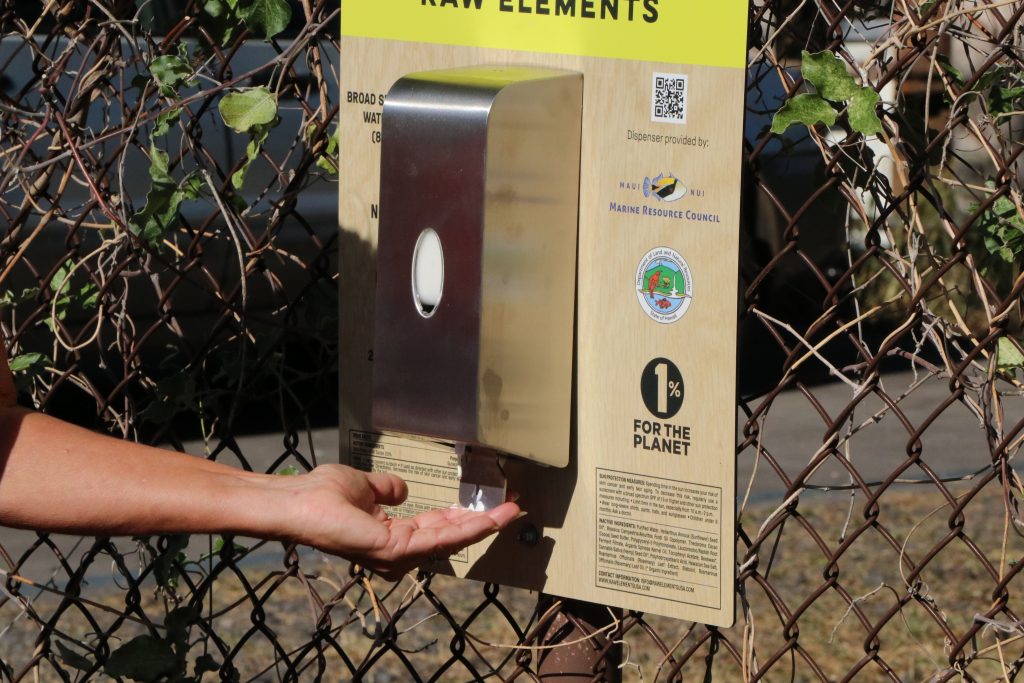
KIHEI – Four mineral sunblock dispensers are up on this Valentine’s Day on south Maui shores, encouraging all to “love the ocean the right way.” Two are at the ‘Āhihi-Kīna‘u  Natural Area Reserve and a pair are to be installed at Mākena State Park. Thousands of people enter the ocean at these locations every day.

The dispensers hold non-nano, zinc, mineral sunscreen. Products with these active ingredients are safe for people and marine life because those elements already exist in sea water. Dermatologists say mineral-based products are the most effective protection for people, as they block out both UVB and UVA rays from the sun.

The Maui installations were inspired by a sunblock dispenser at Waialea Bay at Hāpuna State Recreation Area on Hawai‘i Island. Kelli Lundgren, board member of the Robert F. Orr Charitable Foundation, decided Maui needed dispensers. “As a volunteer at ‘Āhihi-Kīna‘u I’ve communicated with hundreds of visitors about the effectiveness and protection of mineral sunscreens. As people understand the mineral alternative and discover that sprays and bottles labeled “reef safe” actually can be harmful, they wanted an alternative.”

The Robert F. Orr Charitable Foundation through the Maui Nui Marine Resource Council, and with support from the State of Hawai‘i and County of Maui, helped with the placement of dispensers at the Maui beaches. “I hope this will be the start of additional protection for Maui’s corals, fishes, and other abundant, beautiful, and essential sea life,” Lundgren added.

“Once people try mineral sunscreens, they see how easy they are to use,” said Mike Fogarty, Executive Director at Maui Nui Marine Resource Council. “We hope these dispensers give people an introduction to a better way of protecting themselves and marine life. Using mineral-based sunscreens also help protect the fish that many in our community rely on for food.”

Beginning on October 1, Maui County will be the first place in the country to ban the sale and use of sunscreen products with petrochemicals as active ingredients. Many of those products are labeled as “reef safe” with no scientific backing to the claims. The historic ordinance was passed unanimously by the Maui County Council and was signed into law by Mayor Michael Victorino last December.

It is intended to protect reefs and ocean food sources from continuous, daily chemical contamination. A 2018 state-wide law only banned the sale of two chemicals but allowed the continued sale of many other chemical ingredients.The Maui ordinance is stronger because it allows only the sale of mineral products. It prohibits the sale or use of any chemical compounds currently in use as well as any new compounds created in  the future.

Council member Kelly King introduced the bill and commented, “Non-mineral sunscreens are an aggressive pollutant. Our coral reefs are our first defense against climate change and sea level rise. This includes impacts such as erosion, runoff from storms and development, and seepage from wastewater injection wells. Our ordinance is one important step toward protecting the health and resilience of our reefs and marine life by removing a significant ecological stressor. Making a better choice in sun protection is one thing we can  all do immediately. What better day than Valentine’s to make a change and show your love for the kai?”

Peter Landon, of the DLNR Division of Forestry and Wildlife, manages ‘Āhihi-Kīna‘u Natural Area Reserve. Landon said, “Thanks for the generous donations and everyone’s work on this issue. The     installation of these dispensers is a welcome addition to our outreach efforts, giving us a way to help visitors who were unaware of the chemical sunscreen pollutants, or thought they bought something ‘reef safe’. We appreciate it when people hear our messageand want to do the right thing.”

Raw Elements USA supplied the dispensers and product. Chis Wagaman of the company remarked, “We’re honored and proud to be a part of this project with great people participating in positive change for Maui. It is incredible to see the steps taken to educate and provide an incredible experience for everyone who goes into the ocean.”
# # #

To view video please click on photo or view at this link: https://vimeo.com/677415105

More information about mineral sunscreens and reefs:  https://www.mauireefs.org/sunscreens

More information about Maui’s ordinance: https://www.mauicounty.gov/DocumentCenter/View/130826/Ord-5306

Media Contact:  Dan Dennison 
Senior Communications Manager 
Hawai’i Dept. of Land and Natural Resources 
[email protected] 
808-587-0396

New FlushAware App to Be Topic of March 2 Know Your Ocean Speaker Series

in /by

Meet the App’s Developer and Learn More About Where Wastewater Goes When You Flush Your Toilet on Maui

PAIA, MAUI, HI – The average person flushes their toilet five times per day. But when you flush, do you know where your wastewater goes and what impacts it has on the ocean where you surf or swim, the beaches where you play and the fish that you eat from our coastal waters? Maui Nui Marine Resource Council invites you to learn more about the path that wastewater follows once it leaves your toilet and how your wastewater is impacting our nearshore ocean water quality at a special Know Your Ocean Speaker Series presentation on Zoom on Wed. March 2 at 5:30 pm featuring Travis Liggett as the guest speaker. To reserve your spot, please visit https://bit.ly/FlushAwareWebinar

Liggett is the president of Reef Power LLC and the developer of the new FlushAware app with a demonstration website launch for Maui island users slated for March 2022.

“FlushAware is a new online education system that will inform users about the treatment level and destination of their Maui Island disposal method, while providing tools for activism and improving life downstream,” says Liggett.

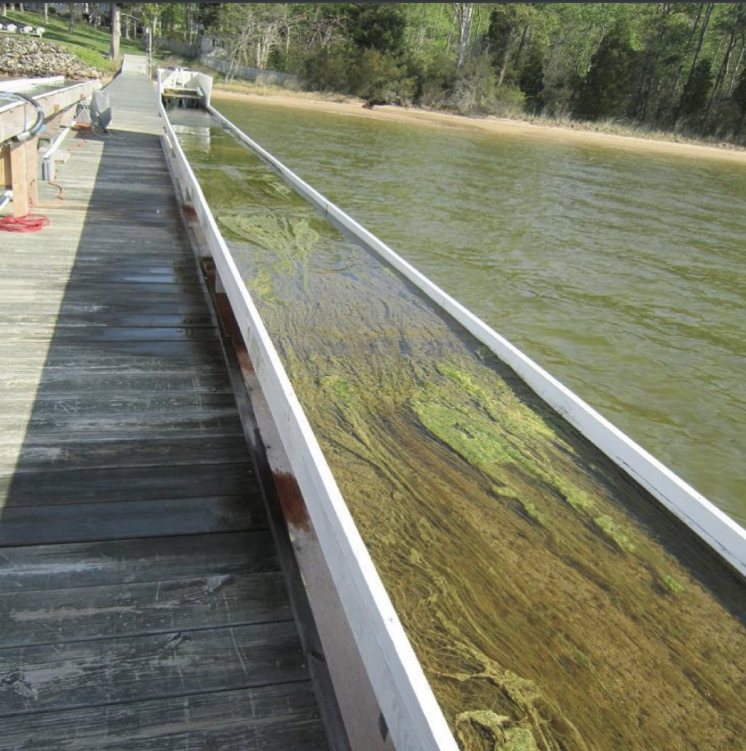
During his presentation, Liggett will demonstrate how the new FlushAware app will work, and will discuss solutions to Maui’s wastewater challenges, which he says can be found in the living life support ʻĀina. “Native species such as stream limu, breadfruit and taro provide answers to our water waste woes. Instead of nearshore injection, municipal discharges in Maui can be polished with turf scrubbers to reduce nutrient pollution using local freshwater algae,” reports Liggett. “The wastewater can then be 100% reused as irrigation of native food agroforestry, pastureland, and vetiver slope stabilization plantings to reduce sediment transport potential from mauka lands.”

Travis Liggett graduated from University of California at Berkeley with a Bachelor of Science degree in Mechanical Engineering with a focus on design in 1998, and from the University of Colorado at Boulder with a Master of Science degree in Aerospace Engineering with a focus on life science in 2003.

In 2001 Mr. Liggett started work as a Research Assistant at  BioServe Space Technologies, a NASA Commercial Space Center locate

d at CU Boulder, and continued his tenure working for the Agency as a Flight Systems Engineer for the Space Station Biological Research Project starting in 2003, then as an Aerospace Research Engineer focusing on functional prototype development of new life science technologies from 2005 – 2010 at  NASA Ames Research Center in Moffett Field, located in California’s Silicon Valley.

On Maui, Travis has managed algae growth operations at Maui Tropical Algae Farm, and served as Principal Engineer for Water Quality Consulting, Inc., where he performed core duties including work on the Maui Ocean Center’s 2018 NPDES permit application.

Travis founded the small business Reef Power LLC in 2018 with the objective of bringing to Maui a natural regenerative reuse wastewater nutrient polishing system called a turf scrubber growing native Hawaiian stream limu (freshwater macroalgae), coupled with native food agroforest irrigation for disposal, instead of nearshore injection wells.

“Wastewater has a significant impact on Maui’s coral reefs and nearshore ocean water quality, whether you live in Kula or Kihei,” says Mike Fogarty, Executive Director of Maui Nui Marine Resource Council. “The FlushAware App will contribute to our community’s growing awareness of the impacts of each and every flush – the first step in finding an answer to the question of how to manage our wastewater to protect our reefs and the ocean waters that surround our shores.”

The Know Your Ocean Speaker Series is hosted on the first Wednesday of each month and is funded in part by the County of Maui Office of Climate Change, Resiliency and Sustainability and by donations from individuals and businesses in the community. To learn more, visit www.mauireefs.org.

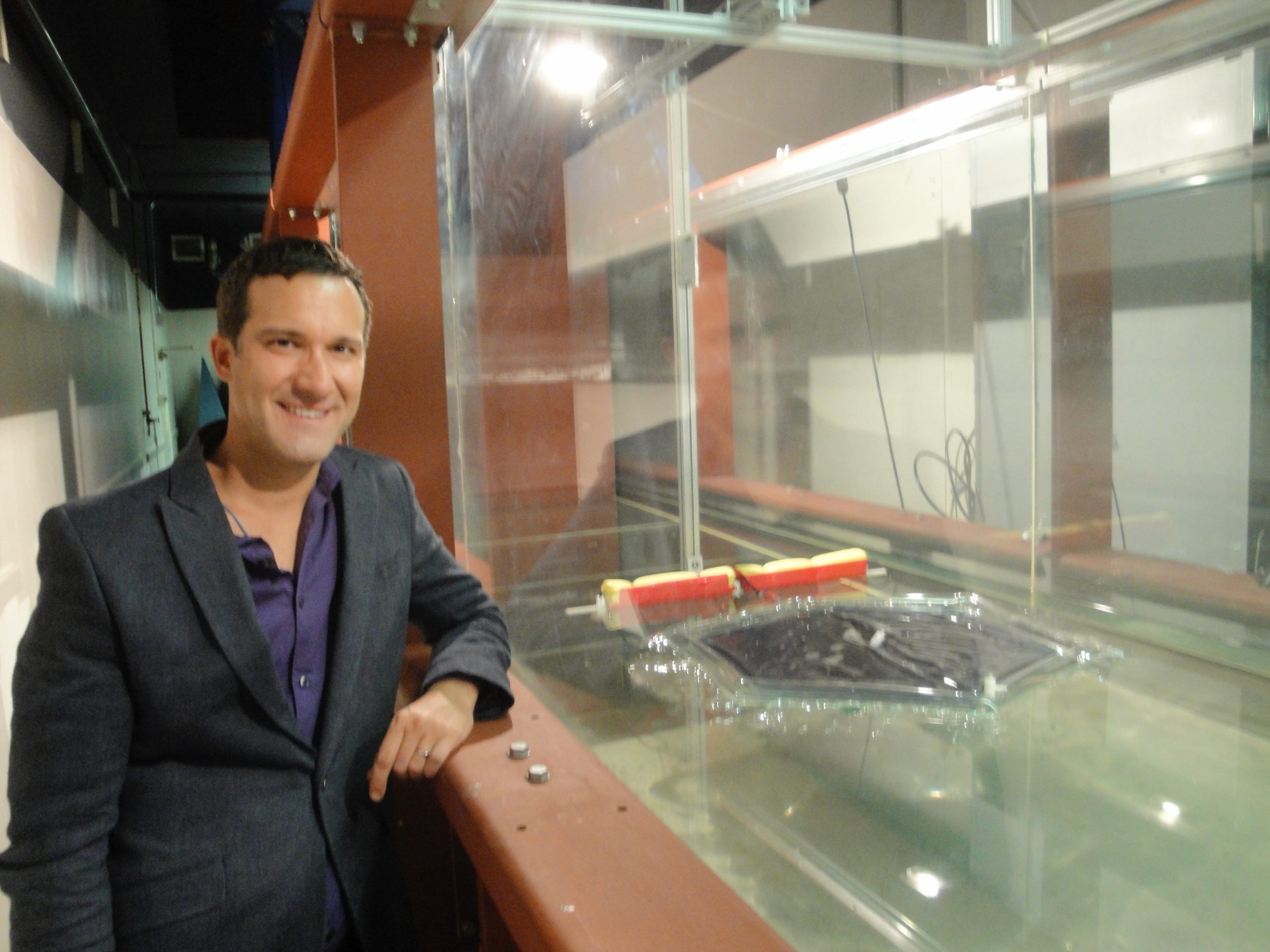
Photo at right: A turf scrubber reduces nutrient pollution using local freshwater algae.

Free Zoom Presentation on Wed. Feb. 2 by Dr. Jennifer Lynch:
 “Did Maui’s expanded polystyrene ban improve the amounts or types of plastic on Maui beaches?”

in /by

KIHEI, HI – On December 31, 2018, Maui County banned the use, sale or provision of polystyrene food service containers as a step to protect marine wildlife and bird populations. The County took this step after learning about the lightweight nature of polystyrene and its ability to break down into smaller fragments that persist for decades, contributing to the potential illness and death of marine animals and birds that mistake the small fragments for food and ingest them.

Did this ban improve the amounts or types of plastic on Maui beaches? Learn what recent research has found at a free Zoom presentation by Dr. Jennifer M. Lynch, the co-director of the Hawaii Pacific University Center for Marine Debris Research. Her talk will take place on Wednesday, February 2 at 5:30 pm as part of Maui Nui Marine Resource Councilʻs Know Your Ocean Speaker Series, sponsored by the County of Maui Office of Economic Development.

Admission is free, but advance reservation is required. To register, visit https://bit.ly/MauiPlasticWebinar.

Dr. Lynch is one of eight co-authors on a study titled, “Did Maui’s expanded polystyrene ban (County Ord. No. 4457) improve the amounts or types of plastic pollution on Maui beaches?“
The study abstract states that “in order to protect native wildlife and Hawaii’s unique coastal environments, reduce plastic waste, and promote the health and welfare of the residents of Hawaii, bans on single-use plastic items have been implemented by some local municipalities. However, the impacts and effectiveness of these policies has been rarely studied.”

The study used polymer identification methods to determine if ordinance number 4457 had an effect on the amount and composition of plastic marine debris on five Maui beaches.
The authors of the study are Kerrianne O’Malley, Hawaii Pacific University Center for Marine Debris Research; Sheena Weller, Hawaii Pacific University Center for Marine Debris Research; Cheryl King, Sharkastics; Jens Currie, Pacific Whale Foundation; Kayla Brignac, Hawaii Pacific University Center for Marine Debris Research; Melissa Jung, Hawaii Pacific University Center for Marine Debris Research; Regina Ostergaard-Klem, Hawaii Pacific University and Jennifer M. Lynch, National Institute of Standards and Technology and Hawaii Pacific University Center for Marine Debris Research.

“We are excited to host Dr. Lynch and to learn about her findings about how Mauiʻs polystyrene ban has impacted the debris on our local beaches,” commented Michael Fogarty, Executive Director of Maui Nui Marine Resource Council. “Her findings are valuable for our nonprofit, especially now as we launch a National Geographic-funded study of the streams and gulches that are transporting plastic waste to Mauiʻs beaches and shorelines.”

“Polystyrene foam is lightweight, floats, and is more likely to be blown from landfills, even when disposed of properly,” reports the website Foam Free Maui County. Recent studies conducted by University of Hawaii at Manoa show that methane and ethylene (major contributors to global warming) are emitted as polystyrene breaks down (Royer et al 2018). Carbon dioxide is also emitted (Ward et al 2019).

“Join our presentation to learn what is being found here on Maui,” notes Meredith Beeson, Project and Research Coordinator at Maui Nui Marine Resource Council and the coordinator of the Know Your Ocean Speaker Series. “Sign up today at https://bit.ly/MauiPlasticWebinar.”

Jill Wirt, Project and Research Coodinator at Maui Nui Marine Research Council will emcee the free event.

About Dr. Jennifer M. (Keller) Lynch

Dr. Jennifer Lynch has worked for the National Institute of Standards and Technology since 2003, and became the Co-Director of the Hawaii Pacific University (HPU) Center for Marine Debris Research (CMDR) in 2019. The CMDR was purposefully established in Hawaii, one of the most plastic polluted marine environments. Dr. Lynch’s research focuses on developing optimal methods to quantify and chemically characterize plastic marine debris to answer questions about pollution quantities, sources, fate, transport, effects, and reuse.  She has authored 61 peer-reviewed publications and four book chapters, and mentored over 45 graduate students.

About Maui Nui Marine Resource Council
Maui Nui Marine Resource Council (MNMRC) is a Maui-based non-profit organization working for clean ocean water, healthy coral reefs and a restoration of abundant native fish for the islands of Maui County. MNMRC is recognized for its ability to work with the community to plan, fund, enact and manage culturally appropriate, science-based solutions to serious problems undermining nearshore ocean water quality and threatening local coral reefs. To learn more, visit www.mauireefs.org.

Public Invited to “Talk Story with Maui Nui Marine Resource Council” on Wednesday, December 1 at 5:30 pm

in /by

KIHEI, HI — 10,000 oysters cleaning the water in Māʻalaea Harbor. Hundreds of ocean water quality samples gathered and analyzed. Three new solar-powered monitoring buoys providing data for scientists worldwide. A major new grant to help prevent coastal flooding in Kihei. Education programs to help visitors protect Mauiʻs reefs as they enjoy our island’s beaches. And much more. 

The public is invited to learn about the many projects underway at Maui Nui Marine Resource Council during a “Talk Story” evening with their staff on Wed. Dec. 1 from 5:30 to 6:30 pm on Zoom.

During the evening, attendees will learn about ways that this Maui-based nonprofit is working for healthy coral reefs, clean ocean water and a sustainable population of native fish for the islands of Maui County. Questions and suggestions will be welcomed, and door prizes will be awarded.

“We’re looking forward to sharing the latest news and developments at Maui Nui Marine Resource Council at this annual event,” said Mike Fogarty, Executive Director. “It’s been a very busy year for our staff, resulting in some exciting progress in our work to protect Maui’s reefs and nearshore waters.”

The evening will include details about an initiative to promote reef-friendly landscaping in South Maui, new technology that’s being used to identify ocean water quality issues along Maui’s coasts, and steps taken during 2021 to prevent ocean pollution caused by wildfires, feral axis deer, and marine debris transported into the ocean from Maui streams and gulches.

“We guarantee you’ll learn a lot about coral reef protection and why it is so important to the future of our island,” noted Amy Hodges, Programs and Operations Manager at Maui Nui Marine Resource Council. “And in turn, we want to hear from our community, to learn about your ideas and suggestions for protecting Maui’s coastal waters.”

Due to Covid-19, this annual event will once again be held by Zoom. Preregistration is required. To sign up, visit https://bit.ly/MNMRCUpdates.

Maui Nui Marine Resource Council Awarded $210,000 Grant to Help Address Recurring Coastal Flooding in Kihei, HI 

in /by

National Fish & Wildlife Foundation and NOAA announced 49 new grants from the National Coastal Resilience Fund. Maui Nui Marine Resource Council is proud to be named as one of the grant recipients, for our project titled “Conducting Site Assessments and Planning to Address Recurring Coastal Flooding (HI)”. This project was awarded $210,000, with $225,000 to be provided by Maui Nui Marine Resource Council in matching funds, for a total project cost of $435,000. 

This project will address recurring stormwater flooding in Hapapa watershed impacting the coastal community of Kīhei, Hawai‘i.

Through this project, Maui Nui Marine Resource Council will work with the community and stakeholders to conduct site assessments and planning of proposed nature-based solutions, including Regenerative Stormwater Conveyance methods, to address this flooding. Our project will create a workplan for site design, with the goal of preventing property and infrastructure damage due to stormwater flooding and protecting wetland bird habitat, native plant species, nearshore coral reef ecosystems and marine wildlife.

“Maui Nui Marine Resource Council is very grateful to be named as a recipient of this grant,” said Mike Fogarty, Executive Director of Maui Nui Marine Resource Council. “We have witnessed the flooding in Kihei for years and the subsequent sediment pollution on the adjacent coral reefs. We look forward to working with the community to create plans to help solve these issues, and benefit our wetlands, reefs, bird habitats and native plants, as well as the homes and infrastructure of our community.”

“Despite low average annual rainfall (10”), Kihei experiences recurring stormwater flooding,” reports Amy Hodges, Project and Operations Manager at MNMRC. “It originates at higher elevations on leeward Haleakeala and discharges via gulches to Kihei’s coastline. Our project focuses on Hapapa watershed’s three gulches (Kulanihakoi, Waipuilani and Keokea) which are responsible for most of Kihei’s stormwater flooding.”

To learn more about Maui Nui Marine Resource Council, please visit www.mauireefs.org.

Here is the official announcement from National Fish and Wildlife Foundation and NOAA:

WASHINGTON, D.C. (November 18, 2021) – The National Fish and Wildlife Foundation (NFWF) and NOAA today announced $39.5 million in new grants from the National Coastal Resilience Fund (NCRF) that will support coastal resilience projects in 28 states and U.S. territories. The 49 grants announced today will generate more than $58.3 million in matching contributions for a total conservation impact of nearly $97.8 million.

The NCRF increases and strengthens natural infrastructure to protect coastal communities while also enhancing habitats for fish and wildlife. Established in 2018, the NCRF invests in conservation projects that restore or expand natural features such as coastal marshes and wetlands, dune and beach systems, oyster and coral reefs, forests, coastal rivers and floodplains, and barrier islands that minimize the impacts of storms and other naturally occurring events on nearby communities. A complete list of the 2021 grants is available at https://www.nfwf.org/sites/default/files/2021-11/NFWFncrf20211117GSfinal.pdf.

NCRF is a partnership between NFWF, NOAA, Shell Oil Company, TransRe, the U.S. Environmental Protection Agency (EPA), AT&T and Occidental, with additional funding support from the U.S. Department of Defense (DoD). This year marks the first year of participation from Occidental. 

“NOAA is proud to support critical projects in coastal communities, helping them to adapt to coastal change and better prepare for climate-driven hazards,” said Rick Spinrad, Ph.D., NOAA administrator. “NOAA is committed to improving the resilience of our nation’s coastline to mitigate the effects of climate change, protecting people and improving the environment.”

“The grants announced today will help communities from Maine to Hawaii strengthen coastal landscapes, adapt to a changing climate, sustain local wildlife and harness the benefits of natural habitats to increase community resilience to future storms and floods,” said Jeff Trandahl, executive director and CEO of NFWF. “Grants awarded through the NCRF will help reduce flooding by increasing water retention capacity through restored floodplains, mangroves and wetlands. Restored beach dunes, barrier islands and oyster reefs will provide living barriers to storm surge and wave intensity, all while providing habitat for fish and wildlife.”

NFWF, in partnership with NOAA and joined initially by Shell and TransRe, launched the NCRF in 2018 to support on-the-ground projects that engage communities and reduce their vulnerability to growing risks from coastal storms, sea-level rise, flooding, erosion and extreme weather through strengthening natural ecosystems that also benefit fish and wildlife.

“In the wake of Hurricane Ida, investments like these underscore the importance of using nature’s ecosystems to improve the resilience of our working coast,” said Colette Hirstius, Shell’s senior vice president, Gulf of Mexico. “By working together, we can best preserve and protect our environment in a way that supports our local communities, businesses, and the place that we call home.”

“Since 2018 we have seen the positive results that are possible, and we believe that practical projects will continue to do good for the environment and for the communities they touch,” said Ken Brandt, TransRe’s president and CEO. “NFWF have shown effective leadership in the projects they select, fund and support, and we continue to support their efforts, and all the efforts of the communities involved.”

Increasingly severe hurricanes and erosion put coastal communities at far higher risk of flooding, storm damage, compromised infrastructure and loss of life. Coastal ecosystems and natural features that have historically provided a defense against the impacts of coastal storms and flooding are being lost to coastal development and sea-level rise.

 NCRF supports projects that restore or enhance natural infrastructure in ways that benefit both wildlife populations and coastal communities. By investing in these nature-based solutions to increasing environmental stressors, the NCRF seeks to increase the resilience of both human and wildlife communities to coastal flooding events.

“EPA is proud to support community-driven projects that strengthen resilience and climate adaptation strategies in the Gulf of Mexico region,” said EPA Assistant Administrator for Water Radhika Fox. “With this funding, we will advance efforts to identify hazards and better protect Gulf communities—especially low income neighborhoods and communities of color that are often hurt first and worst by the climate crisis.”

“The Department of Defense views climate as a real and existential national security threat and as such is developing new plans and strategies to combat the climate crisis and sustain military readiness” said Ron Tickle, deputy assistant secretary of defense (real property). “The recently released Climate Adaptation Plan, for example, lays out key activities and actions DoD will take to preserve operational capabilities and ensure the Military Services can operate under changing climate conditions. Through our partnership with NFWF and the NCRF, DoD advances multiple strategic priorities in the Plan, including enhancing adaptation and resilience through collaboration and creating resilient natural infrastructure. By promoting natural infrastructure solutions and leveraging our shared interests, DoD and NFWF will advance resilience projects at Tyndall Air Force Base, Florida, and Naval Weapons Station Earle, New Jersey. Together, these projects will restore coastal habitats near the installations to protect our training lands, critical infrastructure, and neighboring communities from climate change impacts.”

While the NCRF prioritizes direct restoration projects to increase natural infrastructure function, the projects supported by the 49 grants announced today span activities from community engagement in planning and prioritization to building capacity for coastal engineering and design development to help communities understand their best options. The NCRF employs a ‘pipeline’ approach to investments to meet communities where they are in the process of increasing their resilience and working with them through the implementation of high-impact projects to meet their goals.

“Network planning for extreme weather is critical for the millions of people who rely on the connectivity we provide,” said Shannon Carroll, director of global environmental sustainability at AT&T. “Contributing to the NCRF allows us to support resilience projects that will help protect our network, the communities we serve, and fish and wildlife habitats. This is important work, especially for underserved neighborhoods that are often most vulnerable to flooding and storms.”

A short video about the National Coastal Resilience Fund can be viewed at https://www.nfwf.org/media-center/videos/partnerships-conservation-video-series/national-coastal-resilience-fund

About the National Fish and Wildlife Foundation

Chartered by Congress in 1984, the National Fish and Wildlife Foundation (NFWF) protects and restores the nation’s fish, wildlife, plants and habitats. Working with federal, corporate and individual partners, NFWF has funded more than 5,000 organizations and generated a total conservation impact of $6.8 billion. Learn more at www.nfwf.org.

About NOAA

NOAA is celebrating 50 years of science, service, and stewardship in fulfilling a mission to understand and predict changes in the Earth’s environment, from the depths of the ocean to the surface of the sun, and to conserve and manage our coastal and marine resources. Join us on Twitter, Facebook, Instagram and our other social media channels. Visit our news and features page.

About the U.S. Environmental Protection Agency

The U.S. Environmental Protection Agency (EPA) leads the nation’s environmental science, research, education, and assessment efforts. The mission of the Environmental Protection Agency is to protect human health and the environment. Since 1970, EPA has been working for a cleaner, healthier environment for the American people. For more information, visit www.epa.gov.

About U.S. DoD REPI Program

The Department of Defense (DoD)’s Readiness and Environmental Protection Integration (REPI) Program fosters multi-agency initiatives and collaboration to preserve compatible land uses and promote resilience around military installations and ranges. These efforts preserve and enhance Department of Defense (DoD) assets and capabilities in support of military readiness through the creation of unique cost-sharing partnerships with state and local governments and private conservation organizations. The REPI Program is administered by the Office of the Secretary of Defense (OSD). Learn more at www.repi.mil.

About Shell Oil Company

Shell companies have operations in more than 70 countries and territories with businesses including oil and gas exploration and production; production and marketing of liquefied natural gas and gas to liquids; manufacturing, marketing and shipping of oil products and chemicals and renewable energy projects. Over the past 100 years, Shell has helped preserve and protect habitat and species through hundreds of conservation projects and initiatives. Collaborating with key organizations and environmental NGOs has enabled Shell to leverage its efforts to ensure the highest possible impact – including the protection of more than 13 million acres of wetlands.

About TransRe

TransRe is the brand name for Transatlantic Holdings, Inc. and its subsidiaries (including Transatlantic Reinsurance Company). TransRe, wholly owned by Alleghany Corporation (NYSE-Y), is a reinsurance organization headquartered in New York with operations worldwide. Since 1977, TransRe has offered its clients the capacity, expertise and creativity necessary to structure programs across the full spectrum of property and casualty risks. Visit www.transre.com for additional information.

About Occidental

Occidental is an international energy company with assets in the United States, Middle East, Africa and Latin America. We are one of the largest oil producers in the U.S., including a leading producer in the Permian and DJ basins, and offshore Gulf of Mexico. Our midstream and marketing segment provides flow assurance and maximizes the value of our oil and gas. Our chemical subsidiary OxyChem manufactures the building blocks for life-enhancing products. Our Oxy Low Carbon Ventures subsidiary is advancing leading-edge technologies and business solutions that economically grow our business while reducing emissions. We are committed to using our global leadership in carbon management to advance a lower-carbon world. Visit oxy.com for more information.

About AT&T

AT&T Inc. (NYSE:T) is a diversified, global leader in telecommunications, media and entertainment, and technology. AT&T Communications provides more than 100 million U.S. consumers with entertainment and communications experiences across mobile and broadband. Plus, it serves high-speed, highly secure connectivity and smart solutions to nearly 3 million business customers. WarnerMedia is a leading media and entertainment company that creates and distributes premium and popular content to global audiences through its consumer brands, including: HBO, HBO Max, Warner Bros., TNT, TBS, truTV, CNN, DC Entertainment, New Line, Cartoon Network, Adult Swim and Turner Classic Movies. Xandr, now part of WarnerMedia, provides marketers with innovative and relevant advertising solutions for consumers around premium video content and digital advertising through its platform. AT&T Latin America provides pay-TV services across 10 countries and territories in Latin America and the Caribbean and wireless services to consumers and businesses in Mexico.

Contact: 
Rob Blumenthal, 202-857-0166, NFWF, [email protected]
Jennie Lyons, 202-603-9372, NOAA, [email protected]

Help support clean ocean water and healthy coral reefs at benefit for Maui Nui Marine Resource Council at Flatbread Company on November 23

in /by

PAIA, HI — Enjoy some exceptionally delicious wood-fired pizza and support efforts to protect Maui’s coral reefs at a Benefit Night for the nonprofit Maui Nui Marine Resource Council at Flatbread Company in Paia on Tuesday, November 23.

All pizzas purchased between 5 pm and 9 pm that day will help raise needed funds for Maui Nui Marine Resource Council’s work to restore healthy coral reefs, clean ocean water and abundant native fish to the islands of Maui County. The Flatbread Company will donate $3.50 for each large flatbread and $1.75 for each small flatbread sold during the benefit, whether the pizza is for takeout or in-restaurant dining. The Flatbread Company is located at 89 Hana Highway in Paia.

Maui Nui Marine Resource Council is a nonprofit organization celebrating 14 years of working with the local community to create culturally appropriate, effective science-based solutions to serious local threats facing our reefs. Projects include:

• Ocean water quality monitoring at 29 Maui beaches through the community-based program Hui O Ka Wai Ola
• Improving ocean water quality in Māʻalaea Bay by using caged oysters to filter sediment and other pollutants from the ocean water
• Preventing sediment and pollution runoff from Pohakea watershed into Māʻalaea Bay
• Educating visitors about protecting coral reefs by using only mineral-based sunscreens, avoiding walking or standing on corals, and keeping snorkel fins up and away from the reef while snorkeling
• Promoting reef friendly landscaping that avoids the use of reef-harming herbicides and pesticides

“We recognize that Tuesday evening will be a time when folks are preparing for their Thanksgiving feasts, so why not take a break from cooking dinner by ordering a delicious wood-fired Flatbread pizza — and experience the added satisfaction of helping to raise funds to protect Mauiʻs coastal waters and coral reefs,”  said Anne Rillero, Communication, Community Outreach and Development Manager at Maui Nui Marine Resource Council. “Each pizza sold during this benefit night will make a difference — whether you choose to dine at the Flatbread Company restaurant or take the pizza home.”

To learn more about Maui Nui Marine Resource Council, visit www.mauireefs.org.