Posts

Special Event: Mapping Leeward Coral Reefs Before the Impacts of Storm Runoff from the August 2023 Wildfires

in , /by

After the devastating wildfires in Lahaina and Upcountry Maui, the community has been trying to recover from the effects of this unimaginable event. Even as our community is on the mend, a second, disaster slowly approaching the island. The areas burned by the wildfires have been stripped of cover and soils and toxins are poised to wash downstream into our coastal waters and into groundwater. What the effect on our coral reefs, long-term water quality, and resources, such as food fish, will be is uncertain.

Maui Nui Marine Resource Council invites you to an important FREE Zoom webinar on Thursday, Sept. 14 at 6:00 p.m. to find out more about the effort to rapidly map the current, baseline conditions of coral reefs along leeward Maui where the impacts of fire-related runoff are expected to occur. Register here: https://bit.ly/LI_coral_maps

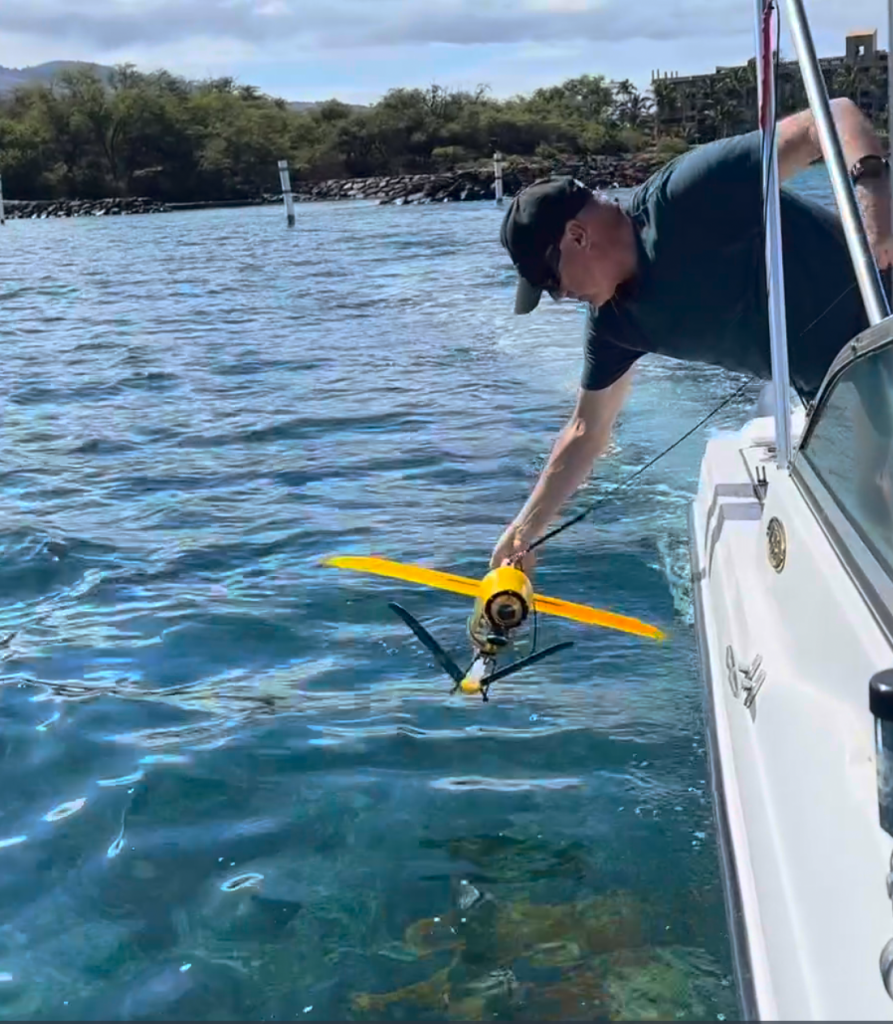
Brett KettleYou’ll meet Dr Brett Kettle of Flying Fish Technologies, who has pioneered coral reef protection for over three decades, both on the Great Barrier Reef (GBR) and internationally. Brett began to prototype his long-term vision for a high-speed, broad-scale underwater visual survey tool in 2017. His vision was to document more of the Great Barrier Reef than had ever been documented before and to use emerging technologies like AI/ML to accelerate the analysis of collected data. The result is the Vertigo3 glider, a towed ROV that can survey 10ha (25 acres) an hour while recording over 50,000 high-resolution images.

During the webinar, you’ll be introduced to how Vertigo3 functions and how it is being used to image extensive sections of Maui’s leeward reefs. These images will allow comparison of the current state of coral reefs that may already have been impacted with unaffected “control” regions and will allow accurate assessment of any effects when storms deliver runoff to our precious nearshore reefs. The technology also opens up a remarkable set of opportunities to view and study Maui’s reefs from above the water in ways that were impossible until now.

Save your seat for the Webinar: https://bit.ly/LI_coral_maps

Brett deploys the Vertigo3 Glider off of the Kihei Boat Ramp in Maui, Hawaii

Brett deploys the Vertigo3 Glider off of the Kihei Boat Ramp in Maui, Hawaii. Photo: John Starmer, MNMRC.

Maui Now: Ocean water testing begins off Lahaina

in /by

Preliminary water testing in the nearshore waters off Lahaina is showing that physical parameters, like temperature, PH, salinity, and dissolved oxygen, are currently in normal ranges.

Russell Sparks, an aquatic biologist with the DLNR Division of Aquatic Resources, said, “We have ongoing concerns that pollutants from the fire will make their way into the ocean at some of the drainage outfalls or from storm drains. For years we’ve done regular monitoring, but now we’re including testing from the fire zone. We’ll be sending samples off to… (Read More).

Maui Times: Lāhainā Prepares for Potentially Toxic Stormwater Runoff Amidst Hurricane Season

in /by

Maui residents have been manifesting rain, but this actually may be harmful to the waters surrounding Lāhainā. On Aug. 8, a wildfire damaged or destroyed most of the town, including more than 2,200 structures — 86% of which were residential. In the midst of hurricane season, there is concern over potentially toxic sediment runoff, which naturally occurs after heavy rains.

“You really have this toxic soup,” said John Starmer, chief scientist at the Maui Nui Marine… (Read More)

Civil Beat: Race Underway To Glue Down The Lahaina Fire’s Toxic Ash Before Rains Wash It Into The Ocean

in /by

With showers forecast over parts of Hawaii early next week, officials and environmentalists are scrambling to protect nearshore waters off Lahaina from becoming polluted with fire-related runoff.

The remnants of post-Tropical Storm Fernanda are expected to bring moist air and possible showers to windward and mountainous portions of Hawaii, including Maui, according to (read more)

West Maui Water Quality Lab Destroyed in Lahaina Wildfire

in /by

This past week’s events have left us all reeling as our community suffered an entirely unexpected and devastating blow after wildfires swept through and destroyed the West Maui town of Lahaina.  As we come up for air and try to assess the next steps, we are grateful that, while none of our West Maui volunteers or employees lost their lives in this tragedy, no one in this close-knit community is unaffected by the effects of the Lahaina Wildfire.  Among the structural losses from these fires was our water quality lab, used by the Hui O Ka Wai Ola to analyze coastal water quality samples from West Maui.

As we look to the future, our volunteers are determined to continue their water quality testing. We’ve transferred spare equipment from our South Maui lab and one of our volunteers is temporarily housing a makeshift lab in their home. While we have always appreciated the dedication of our Hui members to their mission, we are looking for permanent housing for the lab and working to raise the ~$20,000 that will be needed to replace the equipment and supplies that were destroyed.

We are coordinating with our partner organizations in the non-profit and local government sectors to see how we should extend our water quality sampling to understand how the new pollutants of concern will affect our nearshore waters. While new tests will be useful, the importance of the Hui’s six-year baseline cannot be understated. The Hui’s data provides a multi-year baseline that will allow us to understand how and where water quality changes as a result of the Lahaina Wildfire.

If you are moved and able to support our efforts to, please consider donating to help us rebuild the Hui’s water quality lab with a tax-deductible donation:  https://www.mauireefs.org/lahaina-wqlab/

Free July 7 Zoom Presentation by Dr. Craig Downs and Hawaii Senator Mike Gabbard: “Education vs. Enforcement: Next Steps Beyond the Enactment of Hawaii’s Sunscreen Law”

in /by

KIHEI, HI— Hawaii’s ban on sunscreens containing the reef-harming chemicals oxybenzone and octinoxate went into effect on January 1, but is the law effective in protecting our local coral reefs and marine animals as intended? Is the ban being enforced? What’s the latest scientific evidence about the chemicals that are replacing these two ingredients in some brands of sunscreen? Are new laws needed?

Get the answers to these important questions on Wednesday, July 7 at 5:30 p.m. via a free Zoom presentation featuring special guest speakers: Dr. Craig Downs, whose groundbreaking research educated the world about sunscreen chemicals and their role in coral reef decline; and Hawaii Senator Mike Gabbard, who authored the legislation that resulted in Hawaii’s ban on the sale of sunscreens that contain the chemicals oxybenzone and octinoxate.

The presentation titled “Education vs. Enforcement: Next Steps Beyond the Enactment of Hawaii’s Sunscreen Law” is sponsored by the County of Maui Mayor’s Office of Economic Development and hosted by Maui Nui Marine Resource Council as part of the organization’s “Know Your Ocean Speaker Series.”

This event is free, but advanced reservations are required. To reserve your spot, please visit https://bit.ly/SunscreenWebinar.

Downs graduated from Hiram College with a B.A. in philosophy and biology, received his M.Sc. from Syracuse University, and received his Ph.D. from the University of Hawaii in cell and molecular biology. He has published over 50 scientific papers and a number of book chapters in scientific textbooks, and is the co-editor of the CRC press veterinary book, Diseases of Corals, as well as founded a number of companies and nonprofits relating anywhere from animal welfare to environmental conservation and exploration.

Downs has held positions as research professor at University of Hawaii’s School of Medicine and Sweet Briar College. He is currently an invited professor at Sorbonne University (France) and is the Executive Director of Haereticus Environmental Laboratory, a non-profit scientific organization dedicated to increasing the scientific, social and economic knowledge of natural environmental habitats in order to better conserve and restore threatened environmental habitats and resources.

Gabbard, who has represented District 20 since 2006, which includes Kapolei, Makakilo, and portions of Kalaeloa, Waipahu, and Ewa, has authored 54 bills that became law relating to energy efficiency, renewable energy, endangered species protection, industrial hemp, the environment, public safety, and more.

One of those bills that became law in 2018, SB 2571, is the ban of sale or distribution in the state of any sunscreen that contains oxybenzone or octinoxate, or both. Last session, Gabbard introduced SB 366, which would ban the sale, offer of sale, or distribution in Hawaii of any sunscreen that contains two more chemicals, avobenzone or octocrylene.

The speakers plan to address whether or not sunscreen pollution is a symptom of unsustainable tourism and coastal development, how we get visitors and residents to comply with the new sunscreen law, and who is responsible for enforcing it.

This panel will also provide information and tips on how you can help to protect the marine environment.

Maui Nui Marine Resource Council’s “Know Your Ocean Speaker Series” events are held monthly via Zoom. Support for these events is provided by the County of Maui Mayor’s Office of Economic Development.

The virtual event’s emcee will be Darla Palmer-Ellingson, local radio show host of the public affairs program, Island Environment 360 Maui’s only commercially broadcast public affairs show on environmental and related Hawaiian cultural topics, aired on the stations of H-Hawaii Media.

To reserve your spot at this free Zoom webinar, please visit https://bit.ly/SunscreenWebinar.

“A Closer Look at Hawaiʻi’s Sea Turtles” is Topic of Sept. 9 “Know Your Ocean Speaker Series” Webinar

in , /by

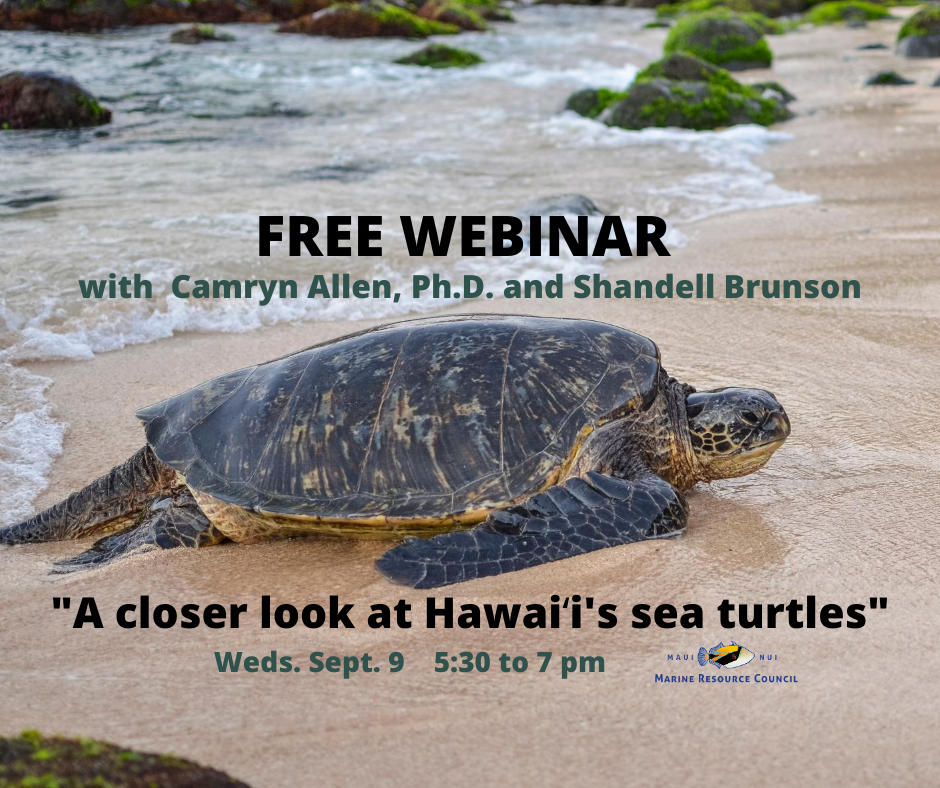
A free Zoom webinar offering “A Closer Look at Hawaiʻiʻs Sea Turtles” will be presented on Wednesday, September 9 from 5:30 to 7 pm Hawaii Standard Time as part of Maui Nui Marine Resource Councilʻs  monthly “Know Your Ocean Speaker Series.” It will also air via Facebook Live at facebook.com/mnmrc, the Facebook page of Maui Nui Marine Resource Council.

The talk will feature presentations by Dr. Camryn Allen, a NOAA wildlife endocrinologist,  and Shandell Brunson, NOAA’s sea turtle stranding coordinator for Hawaiʻi and the Pacific Islands region.

Dr. Allen is the Supervisory Marine Biological Researcher (JIMAR) at the Joint Institute for Marine and Atmospheric Research at NOAA Fisheries Pacific Island Fisheries Science Center in the Protected Species Division. She created a sea turtle endocrinology laboratory to examine sex ratios of sea turtles in the wild.  Her talk will present findings on the ratio of male vs. female turtles at foraging grounds — and what that means for the potential impacts of climate change on our sea turtle populations.

Shandell Brunson is a biological sciences technician with the Marine Turtle Biology and Assessment Program and is NOAA’s sea turtle stranding coordinator for Hawaiʻi and the Pacific Islands region. She will share findings from sea turtle strandings in Hawai’i, including what’s being learned about threats from strandings, rehabilitations and deaths.

Our guest emcee is Darla Palmer-Ellingson, local radio show host of the public affairs program, Island Environment 360 Maui’s only commercially broadcast public affairs show on environmental and related Hawaiian cultural topics. The program is made possible by H-Hawaii Media.

This free online event is part of Maui Nui Marine Resource Councilʻs “Know Your Ocean Speaker Series” and is made possible with support from the County of Maui Mayorʻs Office of Economic Development.

Advance reservations are for the Zoom webinar.  To make your free reservation, please visit https://bit.ly/HawaiiSeaTurtles.

The talk will also be presented on Maui Nui Marine Resource Councilʻs Facebook Live page at https://www.facebook.com/MNMRC.

Questions will be accepted from the audience on both Zoom and Facebook.


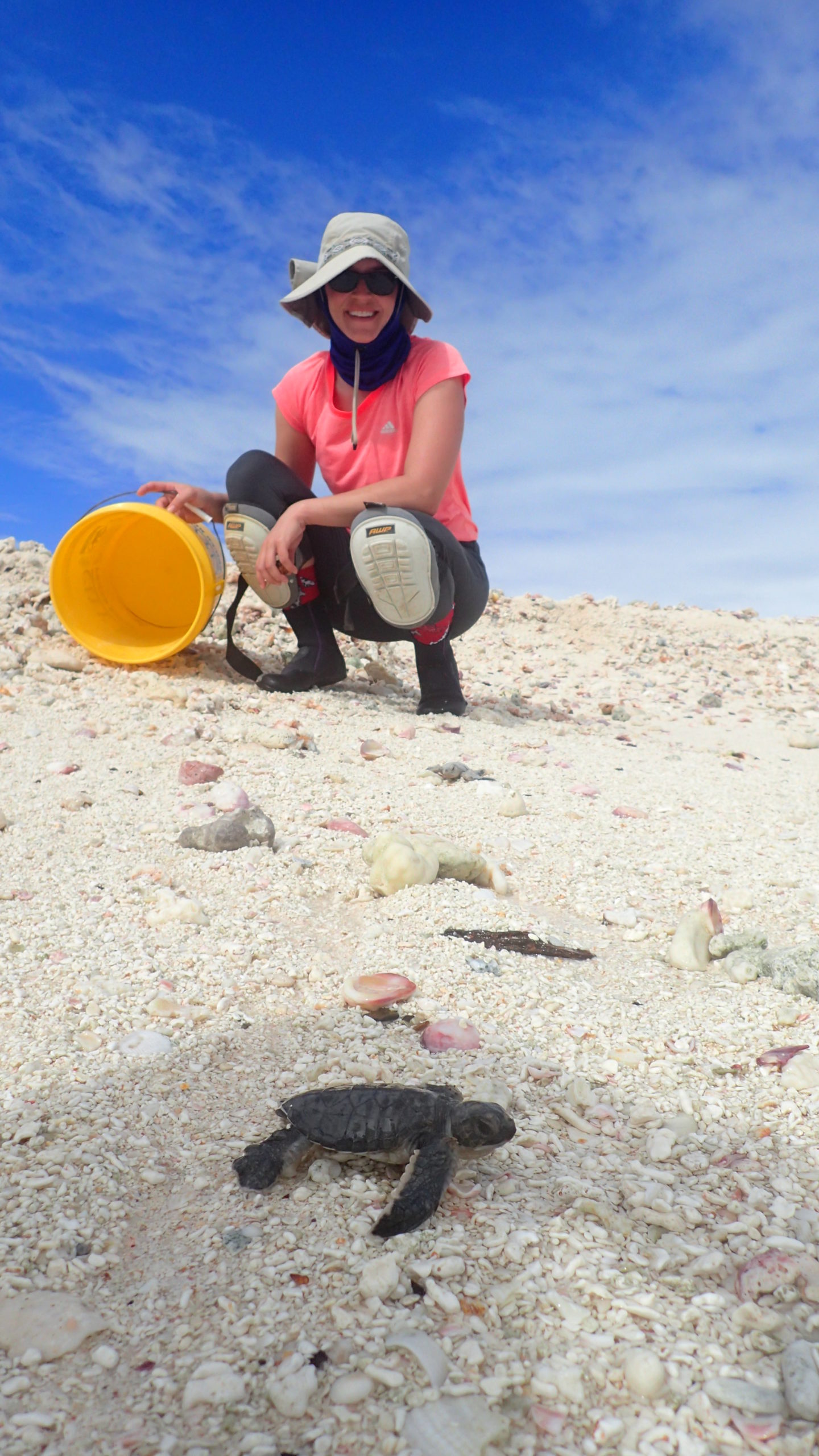
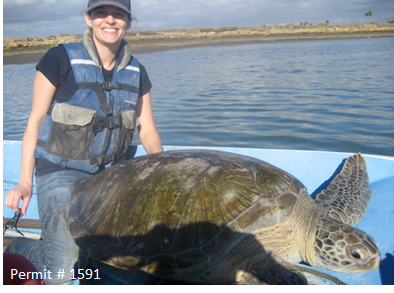
Photos at left: Dr. Camryn Allen at work in the field.


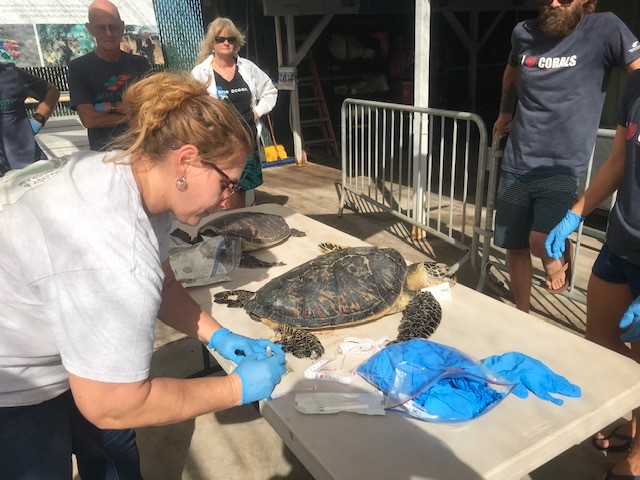
Photo below: Shandell Brunson at a training with Maui Ocean Center Marine Institute (MOCMI) last November.

Unique Community Based Water Quality Testing Program Expands to South Maui

in /by

KIHEI, HI – November 2, 2017 — How clean is the water at your favorite South Maui beach? Starting November 7, a volunteer-based water quality testing program known as Hui O Ka Wai Ola (Association of the Living Waters), will be expanding to test 12 South Maui shoreline locations every two weeks for six months, then every three weeks thereafter. The project will eventually be expanded to test a total of 24 South Maui locations.

The Hui O Ka Wai Ola water quality-testing project is the result of a partnership with Maui Nui Marine Resource Council (MNMRC), The Nature Conservancy, West Maui Ridge to Reef (R2R) Initiative, and University of Hawaii Maui College, working with the State of Hawaii Department of Health (DOH).

“Hui O Ka Wai Ola is the first community-based water quality monitoring program in the state that periodically measures turbidity (a measure of water clarity), and nutrients (such as nitrogen and phosphorous) in near shore ocean waters and makes their data available to the public,” said Dr. Kim Falinski, Marine Science Advisor at The Nature Conservancy.

“Our goal is to support the Department of Health and Maui County efforts to improve coastal water quality so that coral reefs and native fish populations thrive, and our residents and visitors are safe,” said Robin Newbold, Co-founder and Chair of Maui Nui Marine Resource Council.“We want to help identify problem areas, so remedial action may be taken as needed.”

An expansion of Hui O Ka Wai Ola’s West Maui testing
The Hui O Ka Wai Ola water quality testing program began in West Maui in June of 2016, and has been operating and expanding ever since.

“Volunteers and their team leaders currently test a total of 24 West Maui shoreline locations from the Pali to Honolua Bay,” reported Newbold.

“Starting November 7, Hui O Ka Wai Ola water quality testing will be expanded to include 12 sites in South Maui,” said Emily Fielding, The Nature Conservancy’s Maui Marine Program Manager. “Eventually, this will be expanded to 24 South Maui sites.”

The locations of the new South Maui testing sites will be finalized in the next few weeks after they are evaluated for accessibility by the volunteers and other factors. Sites under consideration include ‘Ahihi Kina’u Nature Reserve, Makena Beach State Park, Maluaka Beach, Oneuli (Black Sand Beach), Makena Landing, Kamaole Beach I and III, Kalama Park Beach, Cove Park and Waipuilani Beach.

Powered by volunteers
“A citizen science program like ours would not be possible without an amazing team of volunteers. They are the backbone of Hui O Ka Wai Ola,” noted Sofia de la Sota, South Maui Regional Coordinator and Team Leader.

“More than 20 volunteers have signed up to work at the 12 new South Maui sites. They have completed intensive training and are ready to start water quality testing,” reported de la Sota.

“The volunteers will collect water quality samples according to strict Department of Health (DOH) standards set forth in the Hui’s Quality Assured Program Plan every two weeks for the first six months, then every three weeks after that,” said de la Sota. “They will be testing several water quality parameters in the field: turbidity, salinity, dissolved oxygen, pH and temperature. During every collection period, the volunteers will also collect samples which will be frozen and shipped to the SOEST laboratory on Oahu for nutrient analysis.”

The program will test for nutrients such as nitrogen and phosphorous compounds, which can indicate pollution from wastewater, run-off from agriculture, landscaping and/or golf courses. Too many nutrients in the water can cause an increase in invasive algae (limu), which is damaging to coral reefs. The resulting data will be used to supplement DOH water quality monitoring on Maui and can be viewed at the Hui O Ka Wai Ola website.

“The data resulting from the Hui O Ka Wai Ola program will support the work of Department of Health employee Meghan Dailer, who tests for Enterococcus bacteria,” said de la Sota.

“Due to budget constraints, Dailer is the only Department of Health employee testing water quality for all of Maui,” said Dana Reed, West Maui Regional Coordinator for the Hui O Ka Wai Ola program. “By supplementing her bacteria testing efforts with our nutrient testing, we can better keep a close eye on changing water quality conditions that can harm our coral reefs and human health. We are happy to support DOH and Maui County with this added testing.”

Monitoring the impacts of development and wastewater
“Some of our possible testing sites in South Maui are slated for expanded shoreline development, such as at Maluaka Beach in Makena,” reported de la Sota. “Cove Park, at the center of the wastewater plume coming from the Kihei Wastewater Reclamation Facility, has been flagged for high nutrient levels and turbidity.”

“If we see an issue with increased turbidity or pollution at these sites, we can sound an early warning to initiate measures to address the run-off and pollution as quickly as possible,” noted de la Sota.

In addition to following a regular testing schedule for each of the sites, the program will eventually allow for additional testing during brown water events.

“It is our hope that frequently collecting water quality data will allow for more effective management practices.” said Emily Fielding.

Future funding sought
 
Testing at 18 of the West Maui sites of the Hui O Ka Wai Ola program is currently funded by North Beach West Maui Benefit Fund; testing at the remaining six West Maui sites is currently funded by Napili Bay and Beach Foundation, as well as National Fish and Wildlife Foundation.

“This expansion to South Maui is made possible with generous support from the National Fish and Wildlife Foundation, Maui County Office of Economic Development and community donors,” said Amy Hodges, Programs and Operations Coordinator at MNMRC. “Funding for the laboratory and field equipment and initial start-up costs were provided by National Fish and Wildlife Foundation. The Hawaiian Island Humpback Whale National Marine Sanctuary (NMS) is providing space for storing the water testing equipment.”

The cost of testing at each location is about $3,600 per site per year, which includes analysis and shipping of nutrient samples to the lab on Oahu. Currently, there is funding to continue testing at the South Maui sites for 15 months.

The three nonprofits that lead the project — Maui Nui Marine Resource Council (MNMRC), The Nature Conservancy and West Maui Ridge to Reef Initiative — rely upon public donations and local grants to finance their work.

“We hope that the public will support this valuable effort with donations on behalf of their favorite beaches in South and West Maui,” said Newbold. “We all want clean ocean water, healthy reefs and thriving local fish populations. This project is one way to help achieve these goals.”

“In addition to the millions of dollars in revenue directly and indirectly coming from coral reefs in Hawaii, we have to think of their ecological, cultural and recreational value. If we want future generations to benefit from Hawaii’s marine resources, we must act now to protect this valuable ecosystem,” said Newbold.

To learn more about Hui O Ka Wai Ola and ways you can donate or volunteer, visit www.huiokawaiola.com. You can also look at data that the Hui has collected on this website, and even download the data for yourself.

About Maui Nui Marine Resource Council
A local community-based nonprofit 501(c)(3) organization now celebrating our 10th anniversary, Maui Nui Marine Resource Council is dedicated to restoring clean ocean water, healthy coral reefs and native fish to near shore waters throughout Maui County. We bring the community together to collaborate, learn, work and advocate on behalf of Maui’s coral reef ecosystems. To learn more, visit mauireefs.org.


About West Maui Ridge to Reef (R2R) Initiative

West Maui Ridge to Reef (R2R) Initiative is an all-encompassing approach across multiple agencies and organizations to address adverse impacts to coral reefs in West Maui. The goal of the R2R Initiative is to restore and enhance the health and resiliency of West Maui coral reefs and near-shore waters through the reduction of land-based pollution threats from the summit of Pu`u Kukui to the outer reef.

About The Nature Conservancy

The Nature Conservancy is a global conservation organization dedicated to conserving the lands and waters on which all life depends. Guided by science, we create innovative, on-the-ground solutions to our world’s toughest challenges so that nature and people can thrive together. We are tackling climate change, conserving lands, waters and oceans at an unprecedented scale, providing food and water sustainably and helping make cities more sustainable. Working in 72 countries, we use a collaborative approach that engages local communities, governments, the private sector, and other partners. To learn more, visit www.nature.org or follow @nature_press on Twitter.

###

Snorkel Olowalu with MNMRC on a Trilogy Blue ‘Āina Reef Clean-up Cruise

in /by

When: Sunday, November 5

Time: 8:30 am to 1 pm

Where: Trilogy (departing from Lahaina Harbor)

What: Snorkel Olowalu with MNMRC on a Trilogy Blue ‘Āina Reef Clean-up Cruise — and learn about the role of clean water in coral reef recovery.

Price: $30 per person. Reserve early. Seats are limited.

For reservations: Visit https://sailtrilogy.com/helpmaui

Snorkel with Robin Newbold, (MNMRC Co-founder and Chair) and marine biologists Dr. Mark Deakos and Pauline Fiene, activists working to save Olowalu’s coral reefs.

See examples of how corals can recover from stressors and find out about innovative efforts to protect Olowalu from land-based sources of pollution.

Learn about our community-based water quality testing program with Dana Reed, MNMRC Clean Water Committee Chair.

Help remove trash, fishing line and other debris from the reef (for those who can free dive).

Cruise includes light breakfast, lunch, soft drinks and juice.

Bring your own snorkel gear, reef safe sunscreen, hat and sun protection clothing.

Your ticket will help support MNMRC’s work to protect coral reefs.

Note: Snorkeling Olowalu is dependent upon weather and ocean conditions. At the Captain’s discretion, another snorkeling location may be selected.

Special thanks to: Trilogy
Corporate Sponsor:  Westin Ka’anapali Ocean Resort and Villas
Food Sponsor:  Old Lahaina Luau

#SeawallsFAIL: TURNING THE TIDE ON MAUI’S COASTAL EROSION

in /by

Honoapiilani Highway is one of the most important roads on Maui. In addition to its incredibly scenic views, it is also the island’s primary transit corridor connecting West Maui. It is infamous for its traffic jams, road work and accidents. Delays can stretch for miles and last for hours. The nearest hospital is over half an hour away – and that’s when the road is clear.

To make matters worse, parts of Honoapiilani Highway are falling into the sea. Large summer wave events and high tides have proven particularly problematic. Waves crash over the highway and ocean surges undermine it, requiring expensive and environmentally damaging “emergency” repairs. There is serious concern that chronic coastal erosion will eventually do away with the highway entirely.

HOLDING BACK THE SEA

“Shoreline armoring” is the most common solution to protecting populated shorelines from erosion. This method Maui Seawalls Failtypically involves building large structures that act as barriers between the ocean and coastal property like hotels, homes and roads. Without some sort of protection, this coastal property would eventually fall into the sea.

Seawalls are one of the most widely used examples of shoreline armoring. These massive concrete barriers parallel the shoreline, preventing the surf from eroding the land, while also stopping the sea from moving inland. Although seawalls are an attempt to halt coastal erosion, they can be extremely detrimental to neighboring beaches, nearshore ecosystems and water quality1.

SEAWALL IMPACTS

In a nutshell, seawalls eliminate the ability of beaches to naturally fluctuate with changing waves and tide. With nowhere to go, sandy beaches are squished between an unyielding seawall and rising water levels1. Without proper Seawalls Fail Graphicsand transport, beaches are eventually lost, public shoreline access is hindered, coastal habitats suffer and local economies are impacted2. Worse, seawall projects typically cost in the millions of dollars, putting a serious drain on financial resources that could otherwise be spent to make the road better.

On Maui, the negative impacts of seawall are easily seen – especially along Honoapi`ilani Highway. In 2012, the State of Hawaii took emergency action to armor a 4,000 foot stretch of highway near Ukumehame Beach Park. A large seawall was constructed on the ocean side of the highway, and portions of the beach were paved over to expand the road. Almost immediately, a large plume of brown water developed just offshore – the result of extensive digging and excavation. The plume lasted for months, smothering the coral reefs hundreds of feet from the shoreline with sediment. In addition, the sandy beach directly in front of the seawall now disappears during high tide. Overall, the project cost taxpayers $7 million, not to mention the unmeasured cost of damaging the shoreline and reef.


On Maui, shoreline hardening projects have resulted in the loss of approximately 5 miles of the island’s beaches since 1949.

(Fletcher et al., 2007)


Maui seawall Ukumehame


Today, waves continue to crash over the reinforced seawall, endangering travelers and damaging the roadway and barriers. It is likely that within the next decade, the seawall will require another round of multi-million dollar repairs. Over the past 20 years, numerous studies have highlighted the many problems associated with seawalls. It is time to learn from these failures and come up with less expensive, more durable and less damaging solutions.

FINDING A SUSTAINABLE SOLUTION

Coastlines are highly dynamic, unstable areas. Because of their inherent risk, roads and other structures need to be far enough inland that the ocean and shoreline can work together to maintain the beaches that have always been there. Where structures have already been built, the best option is to move/rebuild them further inland (“managed retreat”).

Maui Seawall Sedimentation


It is time to move Honoapi`ilani Highway further from the ocean. The current highway could be converted into coastal parks and public areas that would not need shoreline armoring. One project that has gained much public support over the years is the Pali to Puamana Parkway. This project advocates for the creation of a public, coastal corridor that stretches 8 miles from Papalaua Beach Park in the south to Puamana Beach Park in the north. In the short term, endangered parts of the road could be rerouted onto the existing cane haul road.

NEXT STEPS FOR MAUI

The Pali to Puamana Parkway (P2P) plan is an incredible opportunity for Maui to preserve coastal access and protect sensitive coastal habitats. The P2P plan has the backing of numerous community groups and government officials, including Mayor Alan Arakawa.

Unfortunately, additional seawalls and shoreline armoring projects are already underway. Construction has just been completed at Mile Marker 13.  At Olowalu, shoreline bouldering projects are slated to begin as early as August.


PC: Pauline Fiene

Seawalls are not the answer. They are a short-term reaction to a long-term issue. Instead, coastal erosion requires a holistic approach – one that carefully considers environmental, social, and economic aspects. One of most viable, long-term solution is to realign Honoapiilani Highway further from the ocean. Managers should also consider “soft engineering1 solutions such as stabilizing the coastline with vegetative walls using native hau.

Community support is a vital part of advocating for highway realignment. Currently, we need your help to accomplish 2 major goals:

1.Block shoreline armoring plans North and South of Olowalu – The State Department of Transportation (DOT) plans to harden shoreline areas of Olowalu with large boulder revetments. The construction of the bouldering project is a short-sighted solution that has the potential to affect the quality of the Olowalu surf break. Another seawall is planned south of Olowalu between Mile Markers 13 – 15.

2. Get the “Honoapiilani Highway Problem” back on SDOT’s Planning Horizons – The most immediate goal is to encourage SDOT to reinstate a volunteer task force that will evaluate alternatives to coastal hardening solutions with regards to the “Honoapiilani Highway Problem”. The formation of a task force would also ensure that the SDOT is taking steps to address the issue.

To learn more about the Realign Honoapiilani Highway project, check out the Save West Maui’s Coastlines website and Facebook page.

REFERENCES

  1. Esteves, L.S., 2014. Managed realignment: A viable long-term coastal management strategy? SpringerBriefs in Environmental Science. New York: Springer. https://www.springer.com/earth+sciences+and+geography/earth+system+sciences/book/978-94-017-9028-4/
  2. O’Connell, J.F., Shoreline Armoring Impacts and Management Along the Shores of Massachusetts and Kauai, Hawaii,in Shipman, H., Dethier, M.N., Gelfenbaum, G., Fresh, K.L., and Dinicola, R.S., eds., 2010, Puget Sound Shorelines and the Impacts of Armoring – Proceedings of a State of the Science Workshop, May 2009: U.S. Geological Survey Scientific Investigations Report 2010-5254, p. 65-76. https://www.realignhonoapiilani.com/uploads/8/0/4/8/80483190/oconnel_2010.pdf
  3. Fletcher, C., Rooney, J., Barbee, M., Lim, Siang-Chyn, and Richmond, B., 2007. Mapping shoreline change using digital orthophotography on Maui, Hawaii: Journal of Coastal Research Special Issue 38, Fall 2003, p. 106–124.