
One of the most powerful ways we can protect Maui’s marine environment is to address land-based pollution. Our Reef-Friendly Landscaping (RFL) program empowers resorts, agricultural businesses, and homeowner communities to move away from synthetic lawn-care chemicals and adopt products and practices that are healthier for plants and marine life.
Reef-Friendly Landscaping Curriculum and Certification
In 2023, MNMRC launched Hawaii’s first Reef-Friendly Landscaping certification course to provide access to RFL education. The 10-subject curriculum is taught by local experts in RFL practices and integrates expertise from the Northeast Organic Farming Association’s (NOFA) Organic Landcare program. Topics include site analysis, design, and management; native exotic, and invasive plants; wetlands and Hawaiian land care; and energy, pollution, and climate change. The course is available in virtual and hybrid format throughout the year.
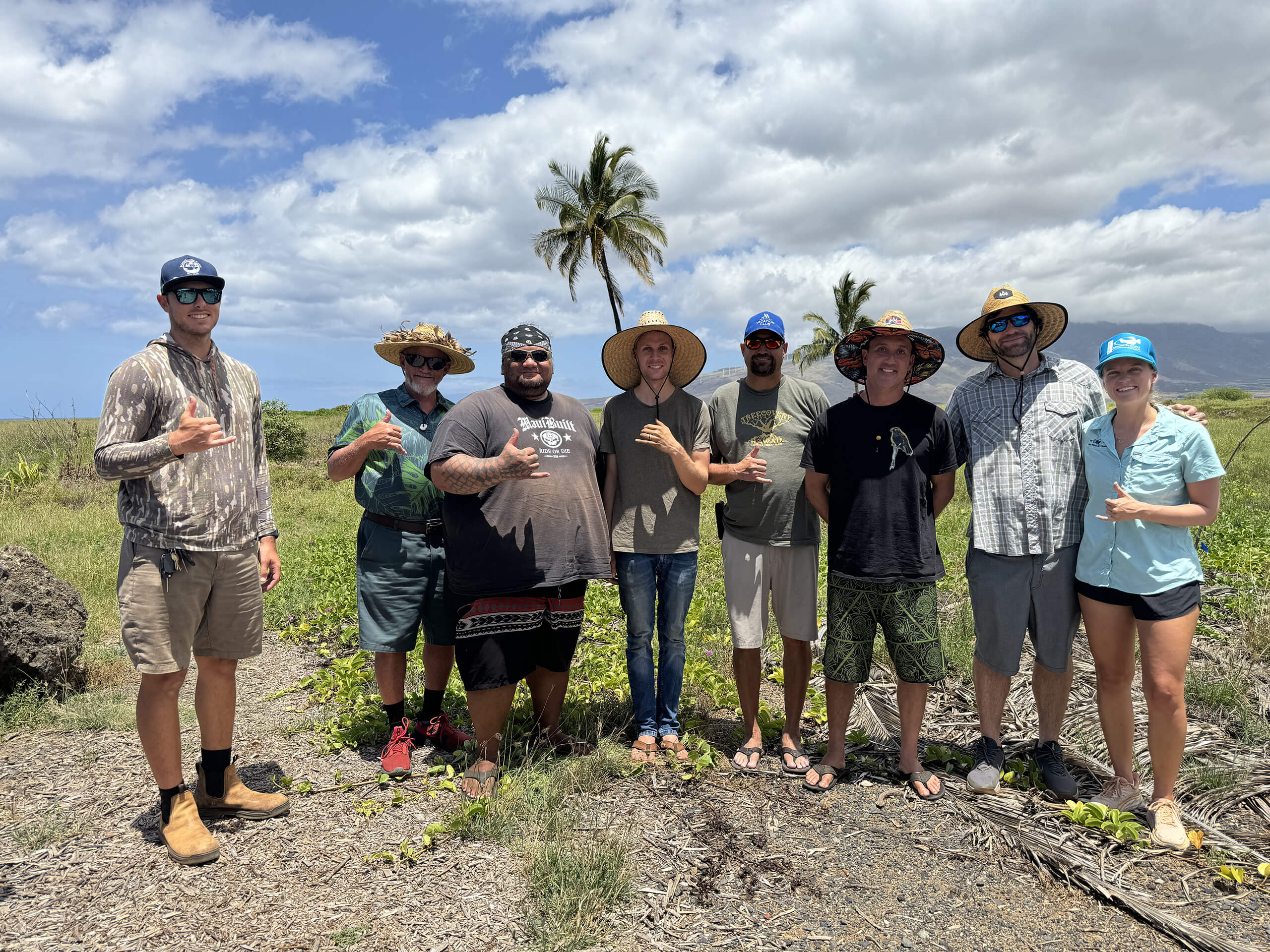
In 2025, the course was adapted into a summit format in collaboration with the Kaʻanapali Operations Association, the Pilikahakai Foundation, and ʻĀina Momona.
The 2-day summit brought together landscaping professionals from resorts across West Maui and featured lessons, workshops, and hands-on learning.
Test Plots: Reef-Friendly Landscaping Across Maui
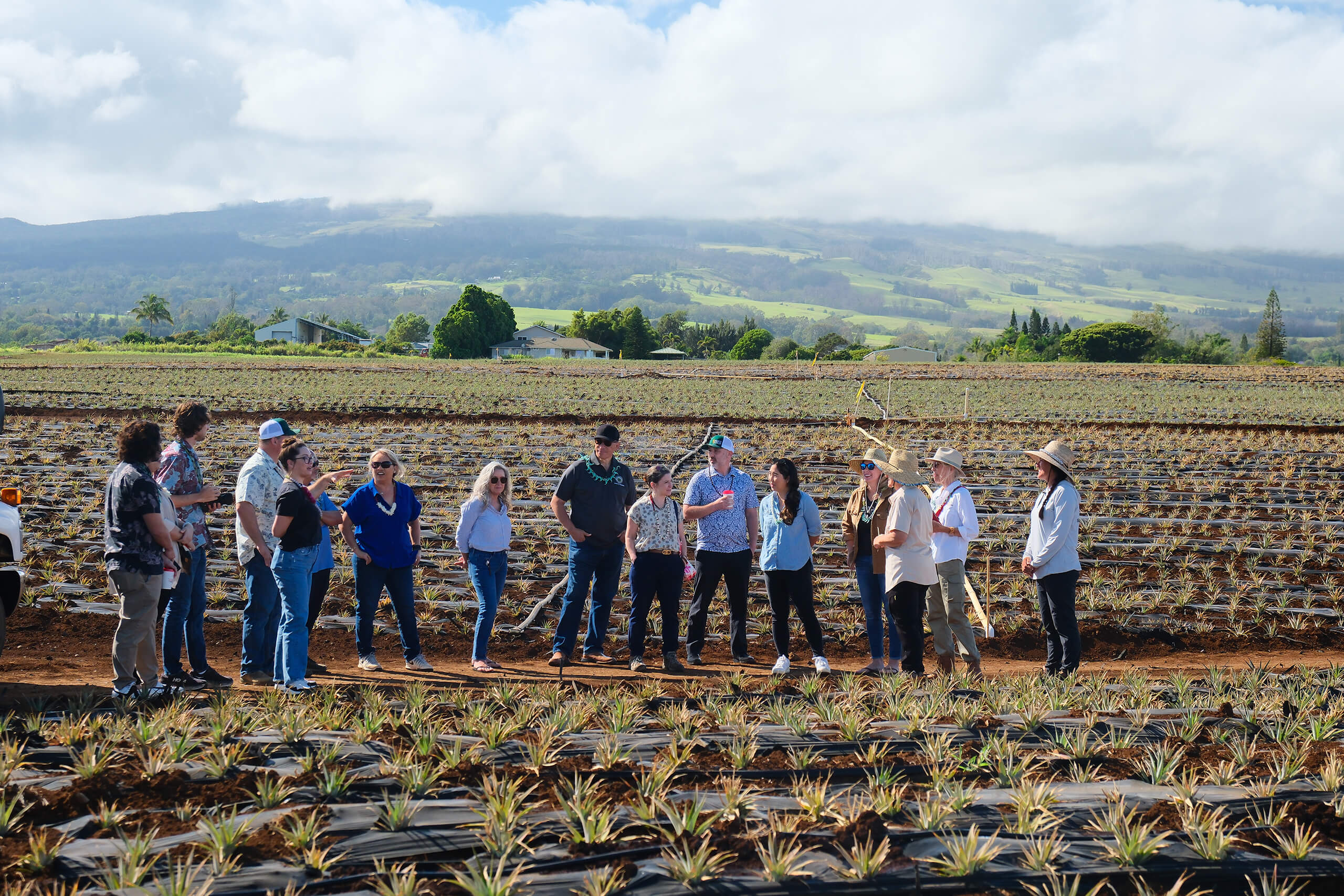
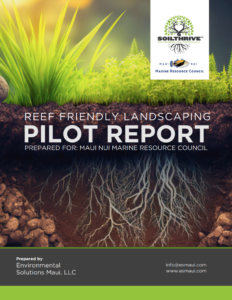 The success of the Reef-Friendly Landscaping program began with RFL test plots on properties across the island. Condominiums, resorts, and farms were among the first to pilot test plots in 2023, and after a 3-month period many saw positive results including a decrease in pest populations and weed patches, improved plant health, and disease resistance. Click on the RFL Pilot Report on the left to download a .pdf copy of the report.
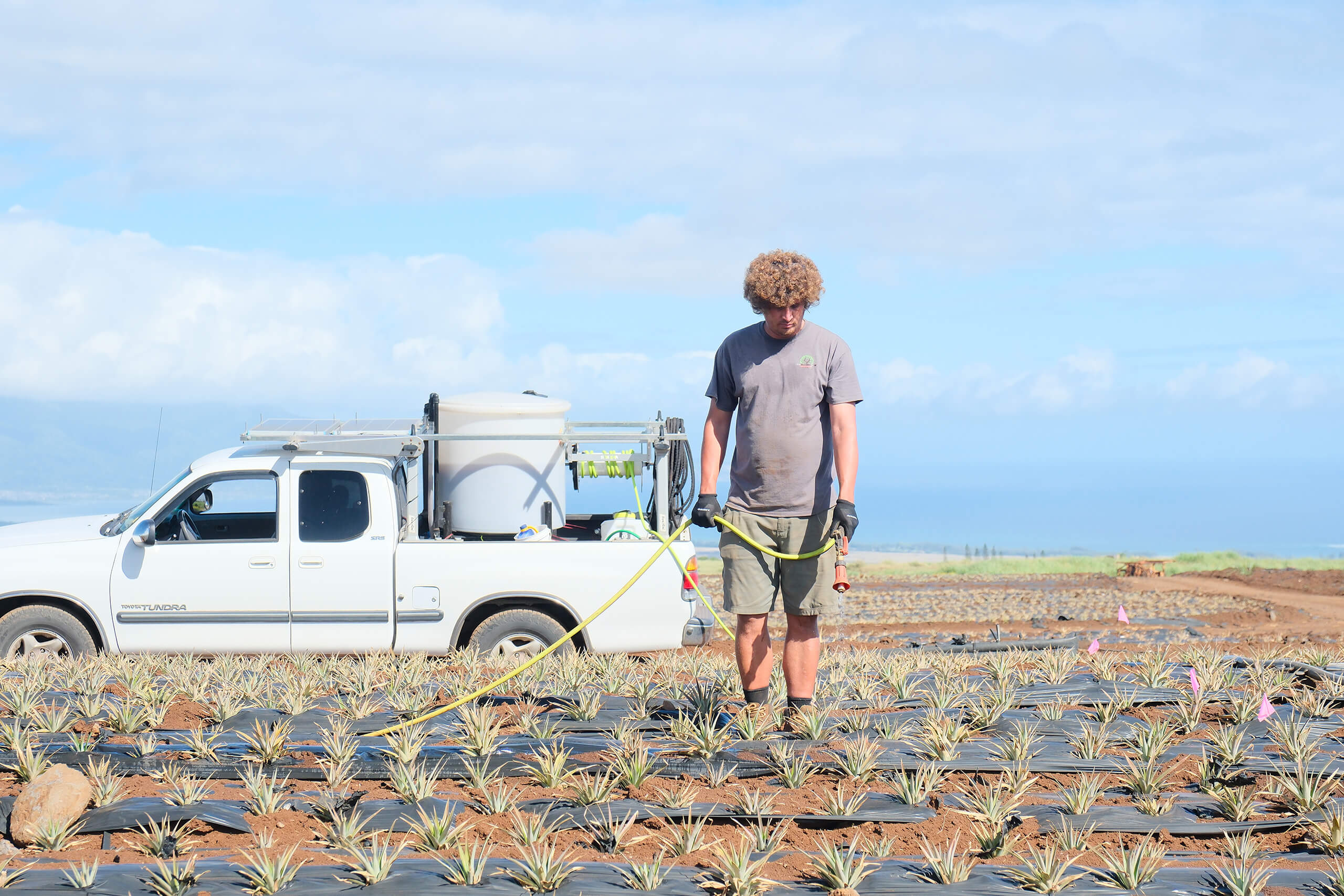
In May 2024, MNMRC collaborated with Maui Gold Pineapple to launch a 1-acre test plot on their farm in Hailiʻimaile. Throughout the pilot period, the test plot will be treated with a biological soil amendment, which is a liquid filled with nutrients and microbes to nourish crops while also enriching the soil. Made locally by natural land-care company SoilThrive Hawaii LLC, the amendment is applied via a custom delivery system specifically designed for Maui Gold. In addition to the soil amendment, 19 types of soil testing and crop monitoring will be conducted in the test plot throughout the next 18 months –the average lifecycle of a pineapple crop.
In late 2024, MNMRC launched two additional RFL test plots, one at Waiehu Golf Course and one at Ichiro “Iron” Maehara Baseball Stadium, in collaboration with the County of Maui.
Building on the success of its first RFL test plot at Keōpūolani Park in 2022, the County of Maui aims to achieve similar results including water savings and improved plant health at the two new sites.
RFL Success Story: RFL at Kahoma Village, Supporting Lāhainā’s Recovery and Growth
After losing four buildings in the Lāhainā wildfire, the residents of Kahoma Village turned to the Maui Nui Marine Resource Council (MNMRC) to help revitalize their community by implementing Reef-Friendly Landscaping (RFL) at a beloved park space bordered by the burned buildings.
The park has served as a hub for the residents and was used for informal gatherings and celebrations. As part of the rebuild process after the 2023 fires, the community wanted to use RFL to create a welcoming space for healing and resiliency in the ongoing recovery process.
Through the generosity of a grant from the Kaulunani Urban and Community Forestry Program of the DLNR Division of Forestry and Wildlife program, MNMRC worked with the community for over a year on plans to revitalize the park by installing fruit trees, shrubs, ground cover, and native plants in combination with the application of a locally-made compost tea and biochar.
Read the full story on our blog post here.
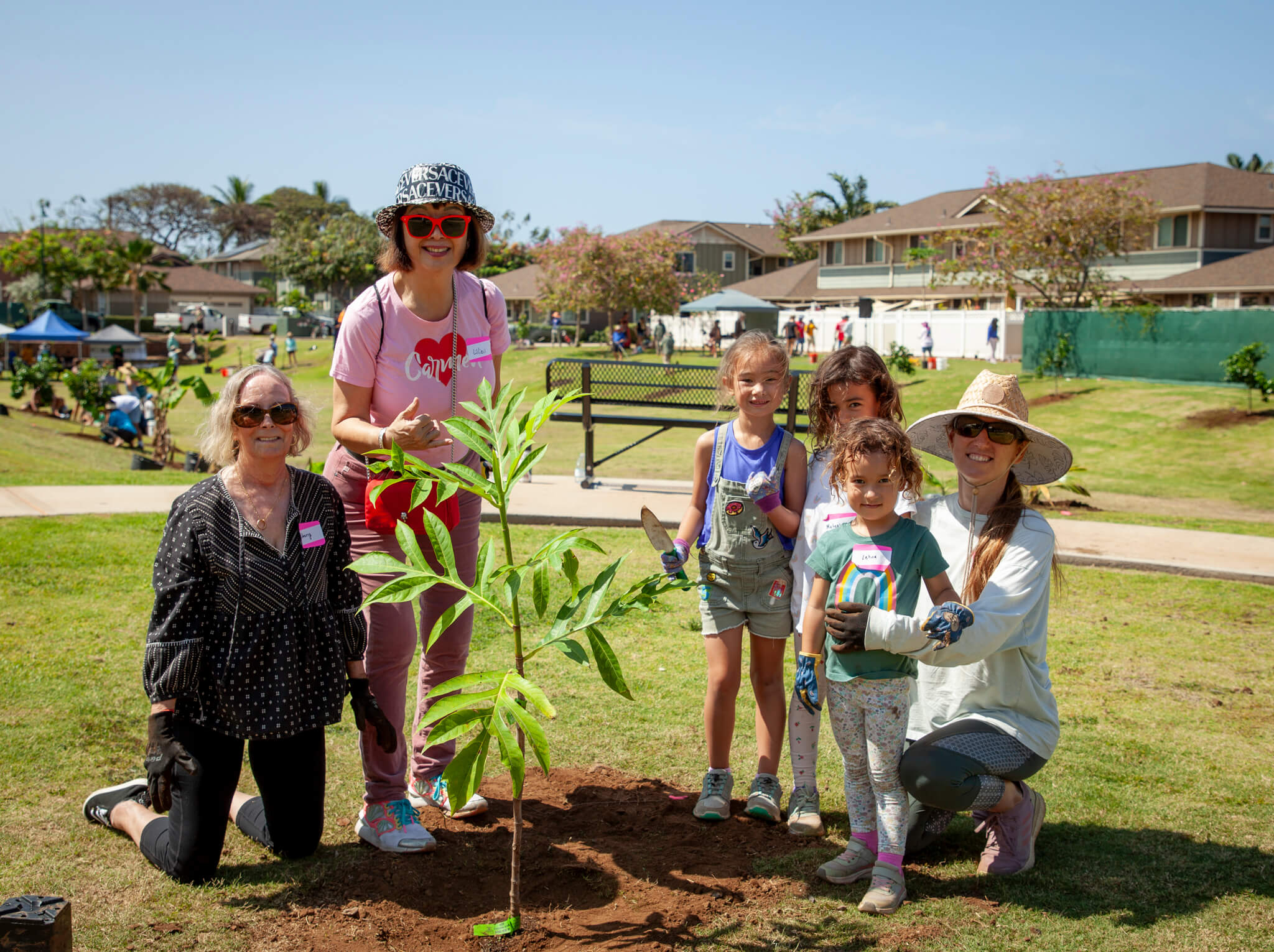
With the community standing behind reef-friendly landscaping, there is potential for an even greater impact by connecting land to sea. Residents have expressed an interest in exploring coral restoration downstream of Kahoma Village near Mala Wharf. MNMRC already conducts water quality testing in the area and will continue to conduct reef surveys to explore opportunities to connect land- and water-based efforts on a larger scale.
Reef Friendly Landscaping Property Certification
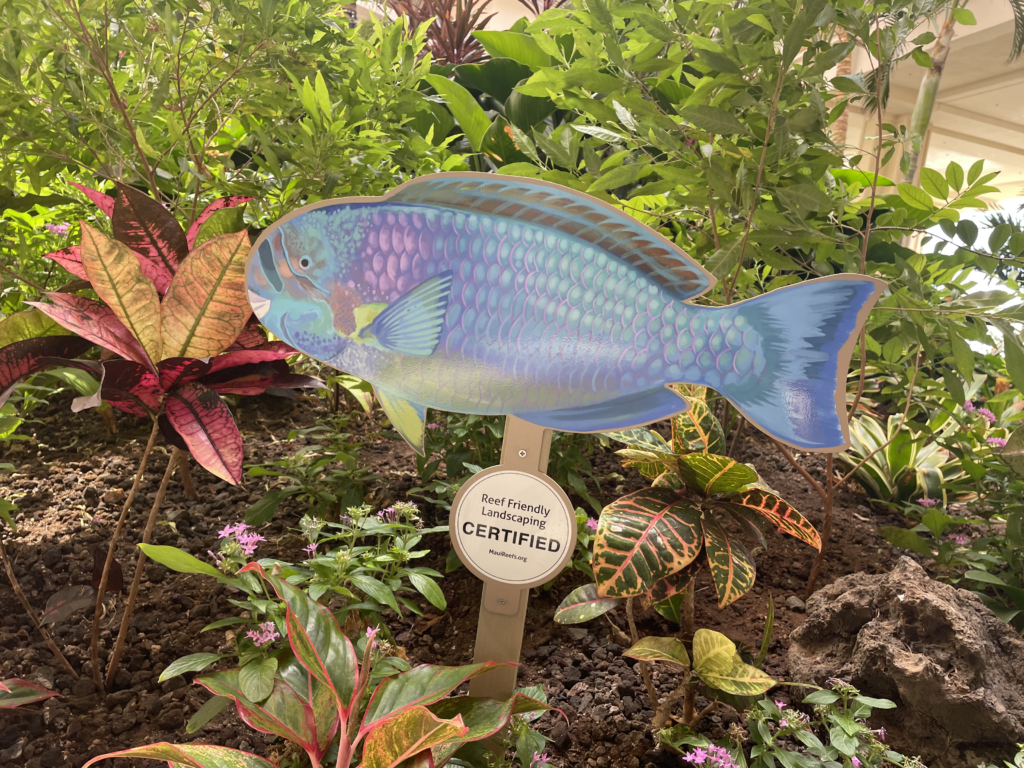
Our Reef-Friendly Certification Program helps your property become an eco-friendly tourism destination that is doing its part to protect Maui’s coral reefs and marine life. The process starts with a site visit by an organic land care consultant to understand your property’s aesthetics and identify any problem areas. A key part of the consultation is providing recommendations on alternatives to problematic pesticides and fertilizers. We review your current landcare products to identify which products are harmful to the environment and how to dispose of them properly. The RFL site visit and consultation are FREE to you and your property.
Some Benefits of Joining the RFL Program
- Cost savings
- Positive guest perception
- Improved employee health and safety
- Media recognition and certificate of completion
- Your property is mentioned on our Maui Reefs social media sites
- Use of the Reef-Friendly logo on your website and promotional materials
- Free Reef-Friendly window stickers for display at your site
- Your logo featured on our Reef-Friendly Landscaping website
- The satisfaction of knowing that you’re making a difference for Maui’s coral reefs – which help to protect our beaches and shorelines
RFL Resources
- SoilThrive™ Hawaii. A biological soil amendment made from microbe-rich, organic, vegan compost. Read out pilot project report. Download here: 2023 RFL Pilot Report
- Haleakala Biochar: www.haleakalabiochar.com
- Beyond Pesticides’ list of products compatible with organic landscaping: https://www.beyondpesticides.org/assets/media/documents/bp-37.1-OrgLandscapeMngmt.pdf
- Organic Landscaping Association: https://theola.org/guiding-principles/#:~:text=Organic%20landscaping%20is%20the%20creation,based%20on%20a%20system’s%20approach