
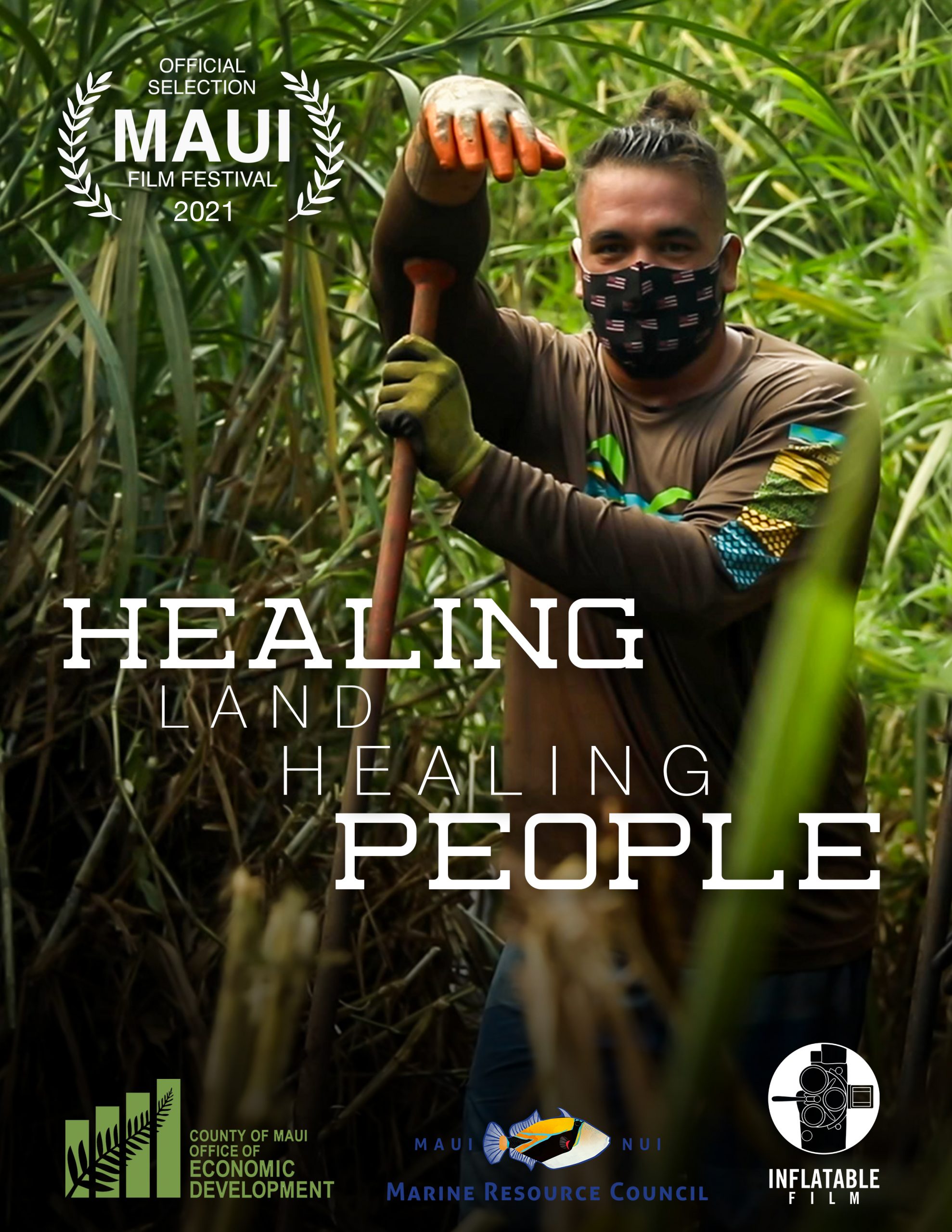
At a time when the world was held in the grip of the COVID-19 pandemic and unemployment throughout Hawaiʻi reached staggering levels, more than 70 unemployed and underemployed Maui and Molokai residents were given the opportunity to work on nature-based restoration projects that not only provided paychecks and job skills training – but also reinvigorated deep and meaningful connections to the ʻāina, Hawaiian culture, the power of kuleana and their own sense of purpose.
They were employed by seven local nonprofits — Ka Honu a Momona, Kipahulu ‘Ohana, Hawaiian Islands Land Trust, Ke Ao Hāli‘i, Kipuka Olowalu, Nā Mamo O Mū‘olea and Na Moku ‘Aupuni O Ko‘olau Hui – who joined together with help from Maui Nui Marine Resource Council and guidance by Ekolu Lindsey to obtain Federal CARES Act funding through the County of Maui Office of Economic Developmentʻs Maui CARES program.
View a trailer of Healing Land, Healing People, a film that was created about this unique endeavor. This film was chosen to be part of the 2021 Maui Film Festival and the Portland Film Festival.
Learn more about the participating nonprofits, the work that was accomplished and their important ongoing efforts in the community. There’s a link for each organization, where you can donate to support their work.
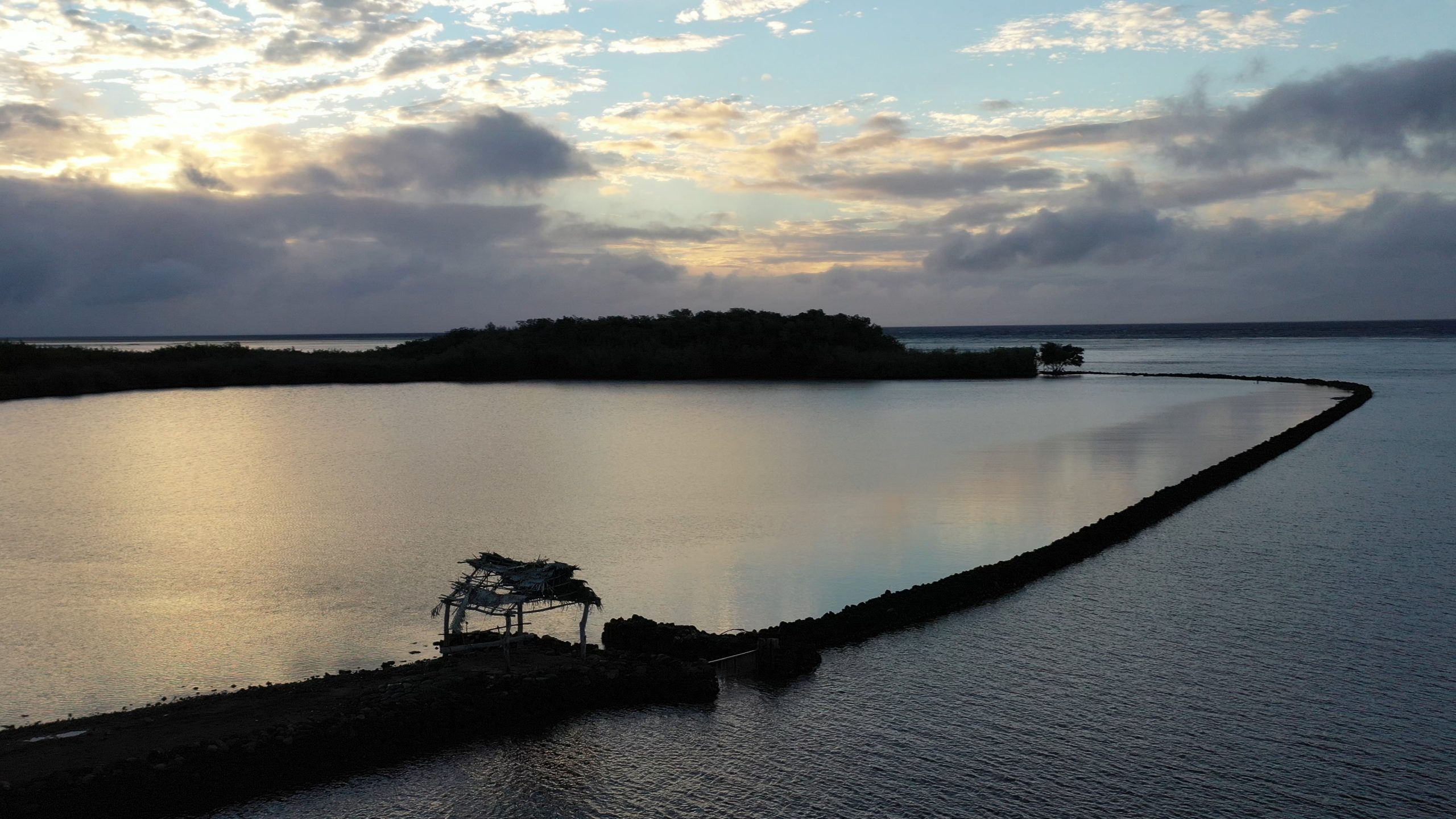
Ka Honua Momona
Ka Honua Momona on Molokai worked to restore two ancient fishponds, which will help trap sediment before it reaches the open ocean – with the benefit of also producing fish for local people. Learn more about this nonprofit organization at: https://kahonuamomona.org/
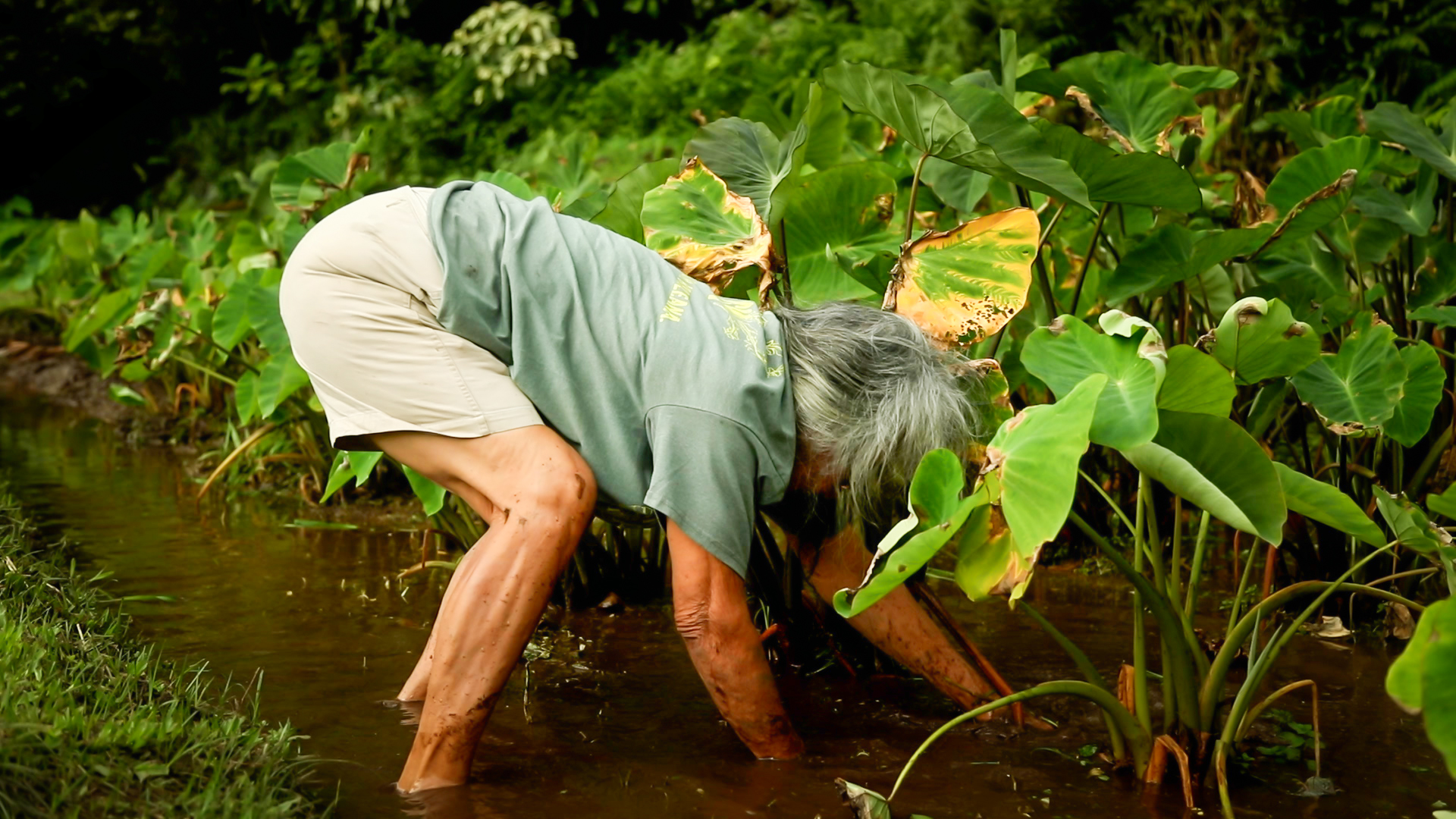
Kipahulu ‘Ohana
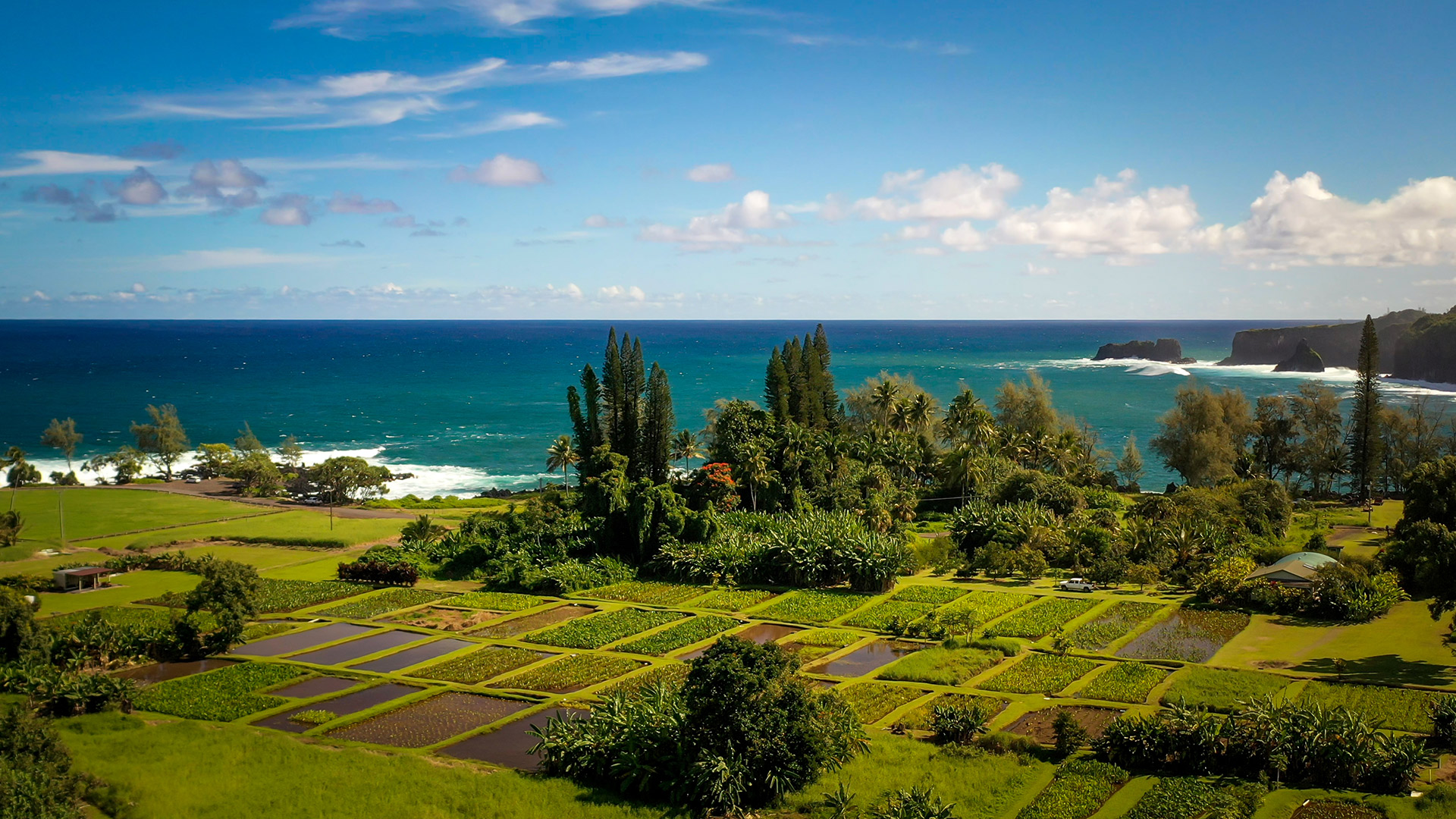
Kipahulu ‘Ohana in East Maui improved a lo’i, or wetland taro farm. The taro plants will slow the flow of stormwater, allowing time for sediment in the water to settle, rather than flow out to sea. Learn more about this nonprofit organization: https://kipahulu.org/
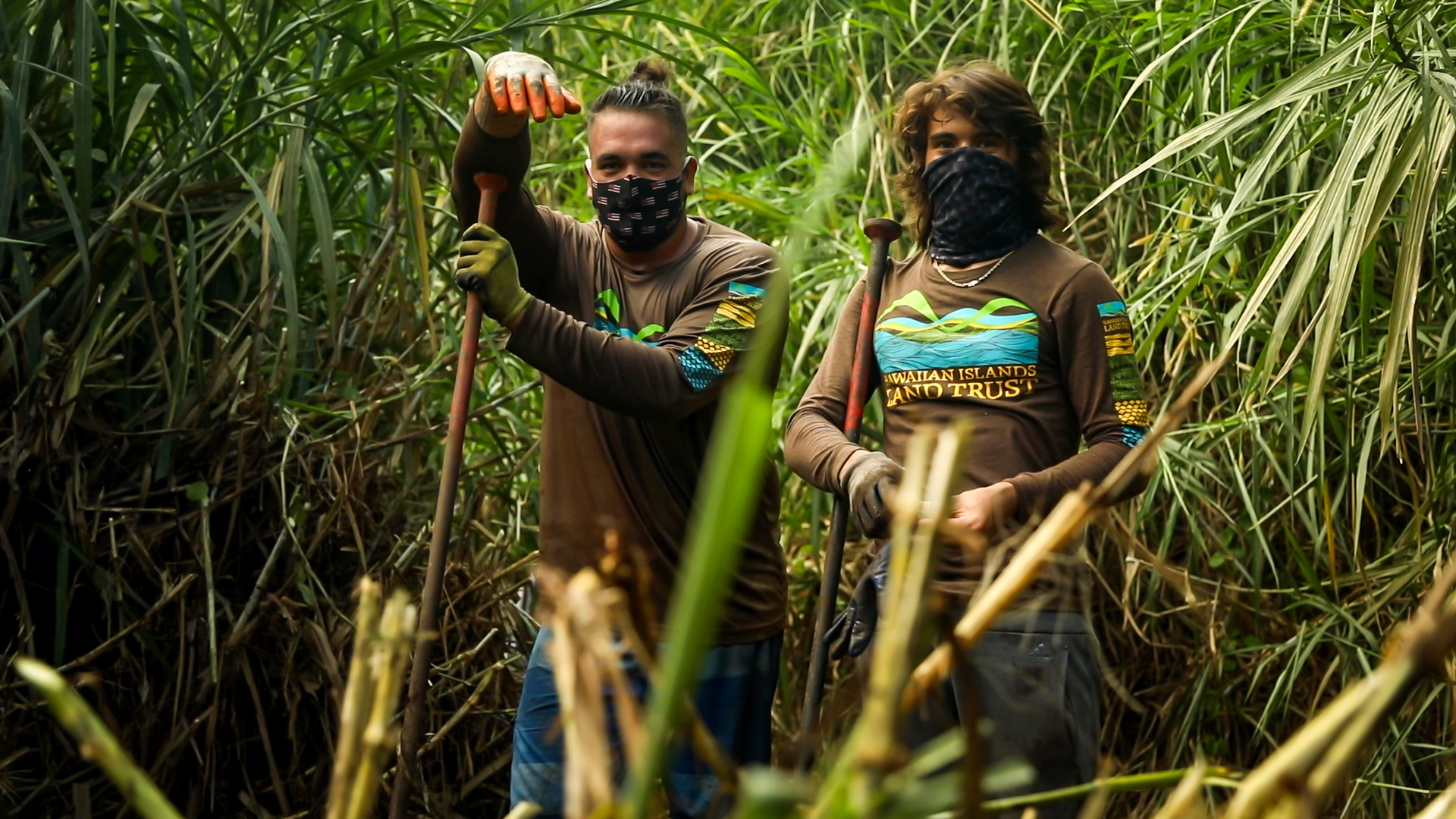
Hawaiian Islands Land Trust
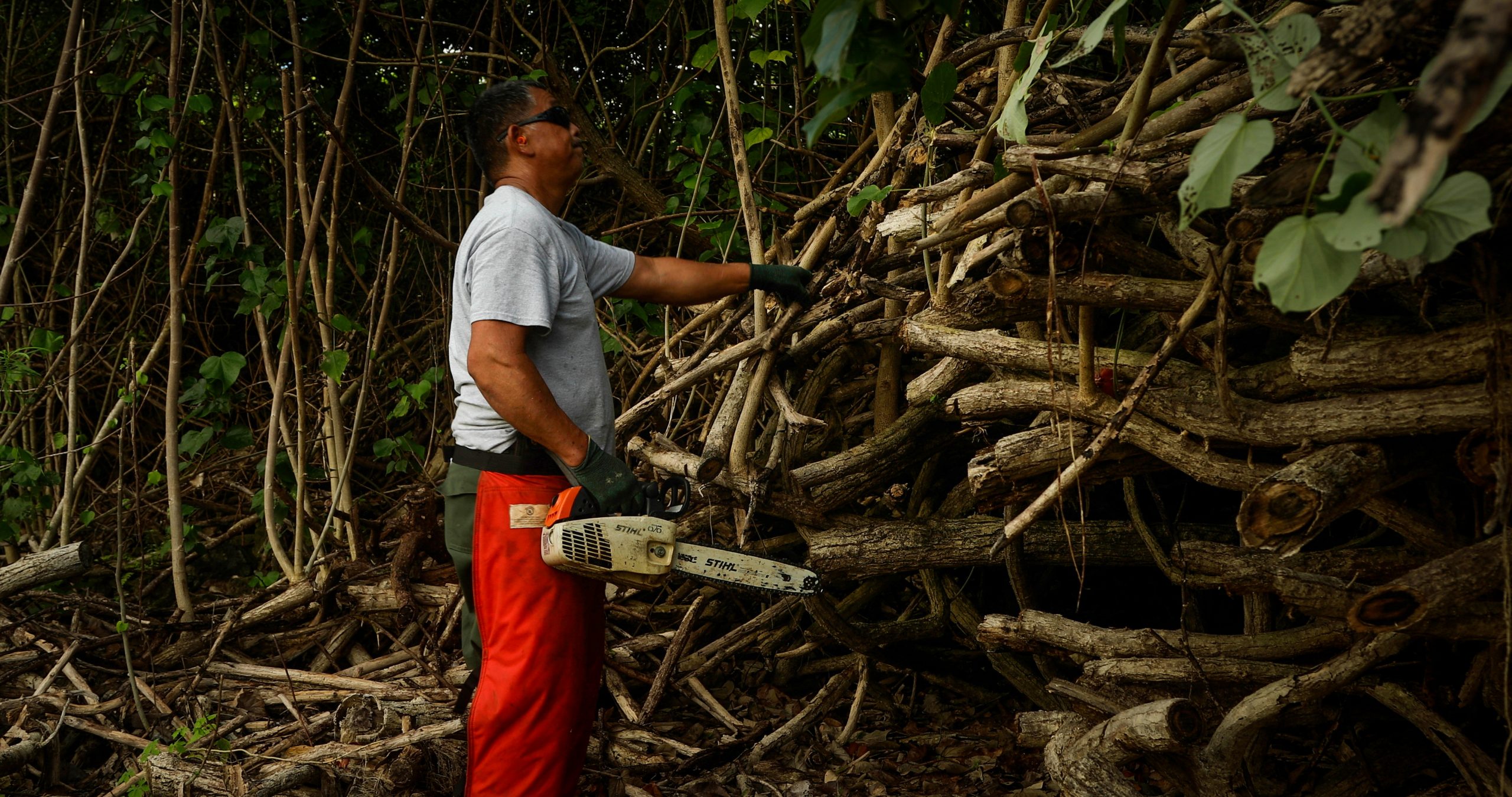
Hawaiian Islands Land Trust in Waiheʻe worked to remove invasive species along approximately 3,000 linear feet of Kalepa Stream to lower sediment loads in the nearshore waters off Waiheʻe and protect offshore corals. Learn more about this nonprofit organization: https://www.hilt.org/
Ke Ao Hāli‘i
Ke Ao Hāli‘i (KAH) in Hana worked on 27 acres of publicly owned land at Mokae/Kaholaiki and another ~2 acres of contiguous land, directly above Hamoa Beach. Their project included invasive plant removal and native habitat restoration for seabirds and insects, and a biological survey of ‘opihi as a baseline for a possible ‘opihi rest area in the future. Learn more about this nonprofit ogranization: https://savehanacoast.org/
Nā Mamo O Mū’olea
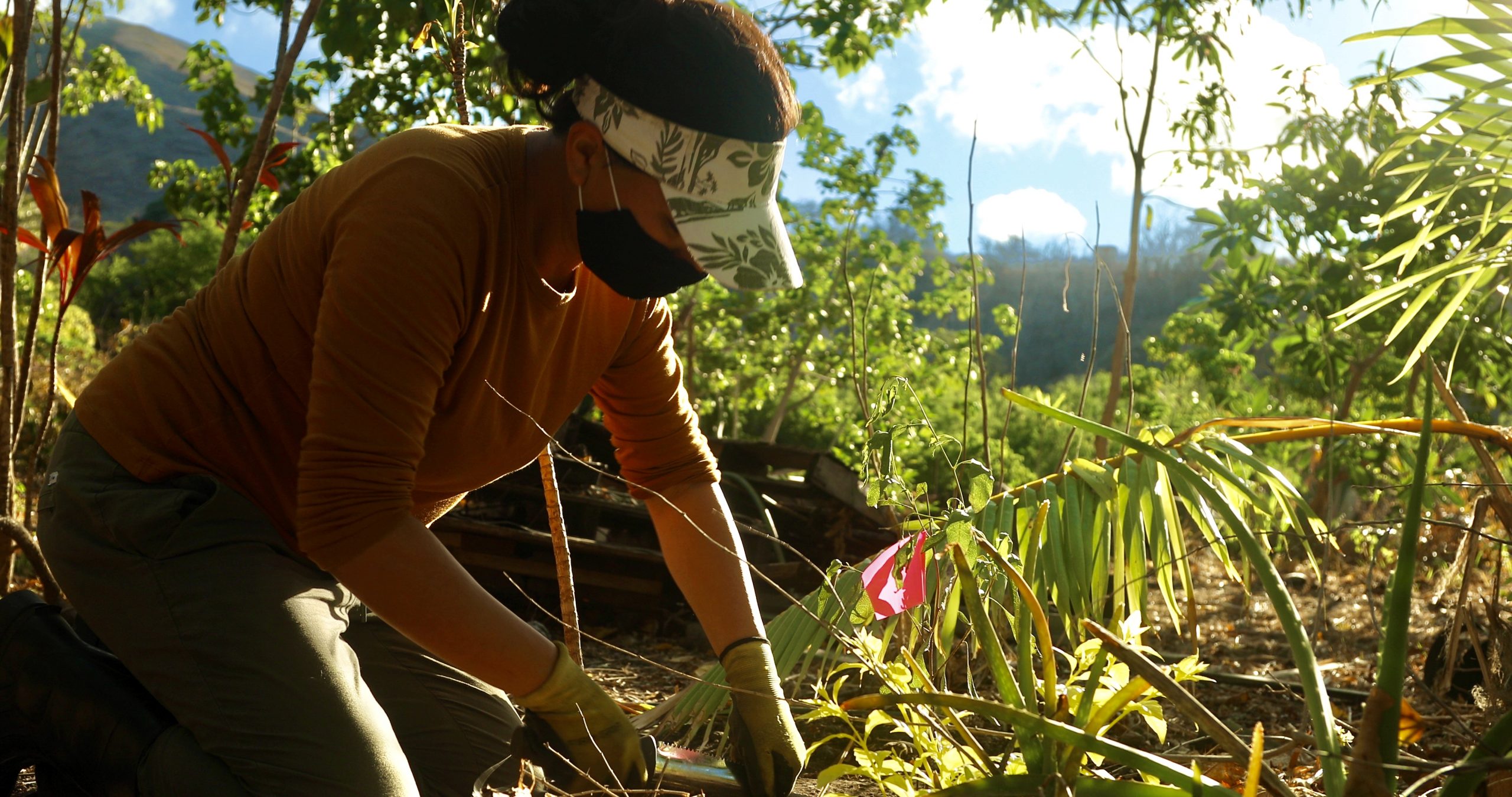
Nā Mamo O Mū’oleaa in East Maui focused on land and shoreline management on a county parcel (which Nā Mamo O Mū’olea has a 50-year lease). It included removal of invasive plants around a rock wall that is on the historic registry for future restorations, maintenance of two heiaus on the property, installation of new fencing around an area designated for native trees and medicinal plants, and maintenance and repair of feral animal controls. Learn more at https://www.muolea.org/
Ke Ao Hāli‘i
Ke Ao Hāli‘i (KAH) in Hana worked on 27 acres of publicly owned land at Mokae/Kaholaiki and another ~2 acres of contiguous land, directly above Hamoa Beach. Their project included invasive plant removal and native habitat restoration for seabirds and insects, and a biological survey of ‘opihi as a baseline for a possible ‘opihi rest area in the future. Learn more about this nonprofit ogranization: https://savehanacoast.org/
Nā Moku ʻAupuni ʻO Koʻolau Hui
Organized in June 1996 as a non-profit organization, Nā Moku ʻAupuni ʻO Koʻolau Hui works to educate, perpetuate, serve and protect the historical, spiritual, traditional and environmental well being of Keʻanae/Wailuanui. Learn more about this organization at https://www.namoku.net/what-we-do
Board of Directors
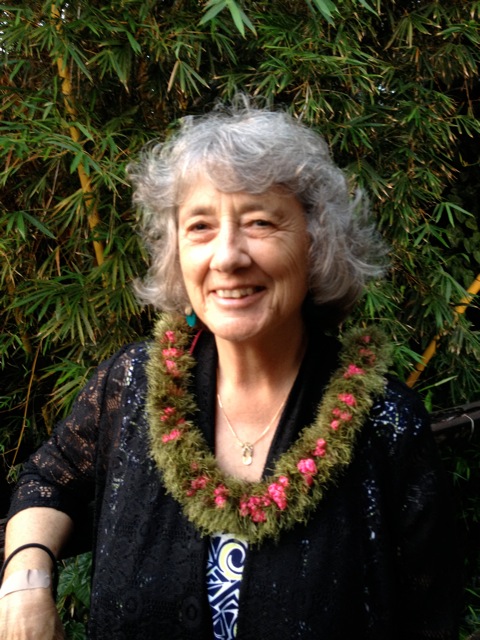
Lucienne De Naie
President
Lucienne lives in rural east Maui and is active with stream and watershed restoration projects. She is a founding member of Maui Cultural Lands, Inc. and the Maui Coastal Land Trust (now Hawaiian Islands Land Trust.) Lucienne has served on the Mayor’s Open Space Zoning Advisory Committee, the Maui General Plan Advisory Committee and serves as Conservation Chair and hike leader for the Maui Sierra Club.
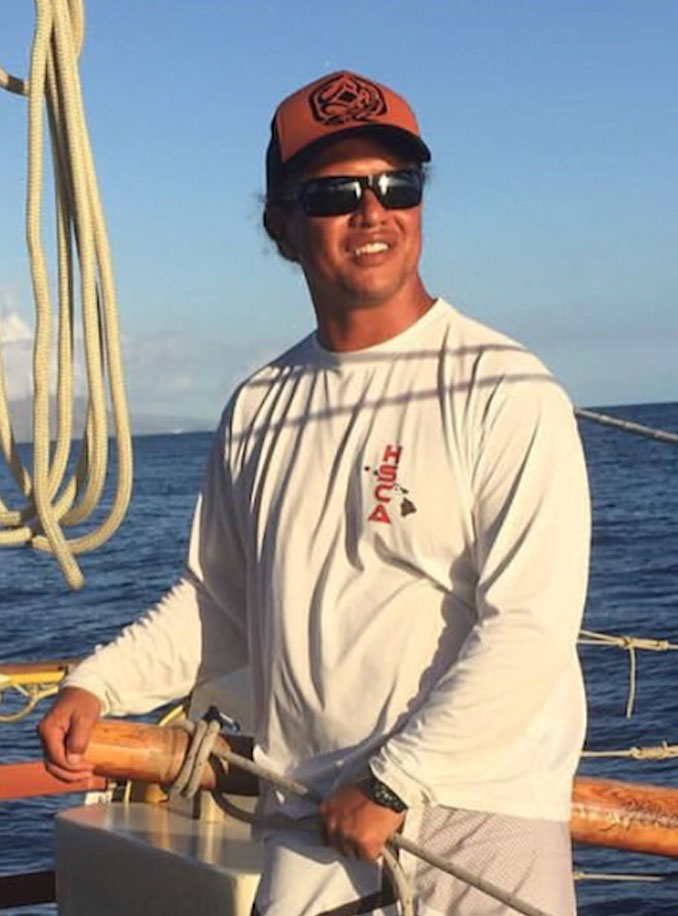
Edwin “Ekolu” Lindsey III
Board Member
Raised on Maui (where he loved visiting his grandparents’ home in Lahaina to surf, swim and fish in the waters of Polanui), Ekolu graduated from Kamehameha Schools on O‘ahu, and earned a B.B.A. at University of Hawaiʻi at Mänoa. Ekolu’s parents — Ed Lindsey, a Native Hawaiian and lifelong schoolteacher, and Puanani Lindsey — co-founded Maui Cultural Lands in 2002. Ed Lindsey also co-founded Maui Nui Marine Resource Council in 2007 with marine biologist Robin Newbold. After his father passed away in 2009, Ekolu assumed the role of president of Maui Cultural Lands. He carries forward his familyʻs legacy of service and their vision of protecting and restoring Hawaiian cultural resources and the marine environment. In July of 2015, he completed a ten-day, 500-mile journey aboard the voyaging canoe Hikianalia to the Papahänaumokuäkea Marine National Monument in the Northwestern Hawaiian Islands to conduct reef surveys and fish monitoring to help better manage Hawai‘i’s marine resourceS. Ekolu also cofounded Polanui Hiu, the first Community Managed Makai Area (CMMA) on Maui. Maui Nui Marine Resource Council is proud and grateful for Ekoluʻs service and guidance as a member of our Board of Directors.
Larry Stevens
Secretary and Treasurer
Larry is a veteran software industry executive, who now makes Maui his home. He has helped establish the Council’s online presence and consults on management and planning. He also cleans up beaches! In addition to serving on MNMRC’s Board of Directors, Larry serves on the board of the Hawaiian Islands Land Trust and is a board member of the Oneloa Colation. He is also a member of the Planning Committee and Marine Committee of the Kihei Community Association.
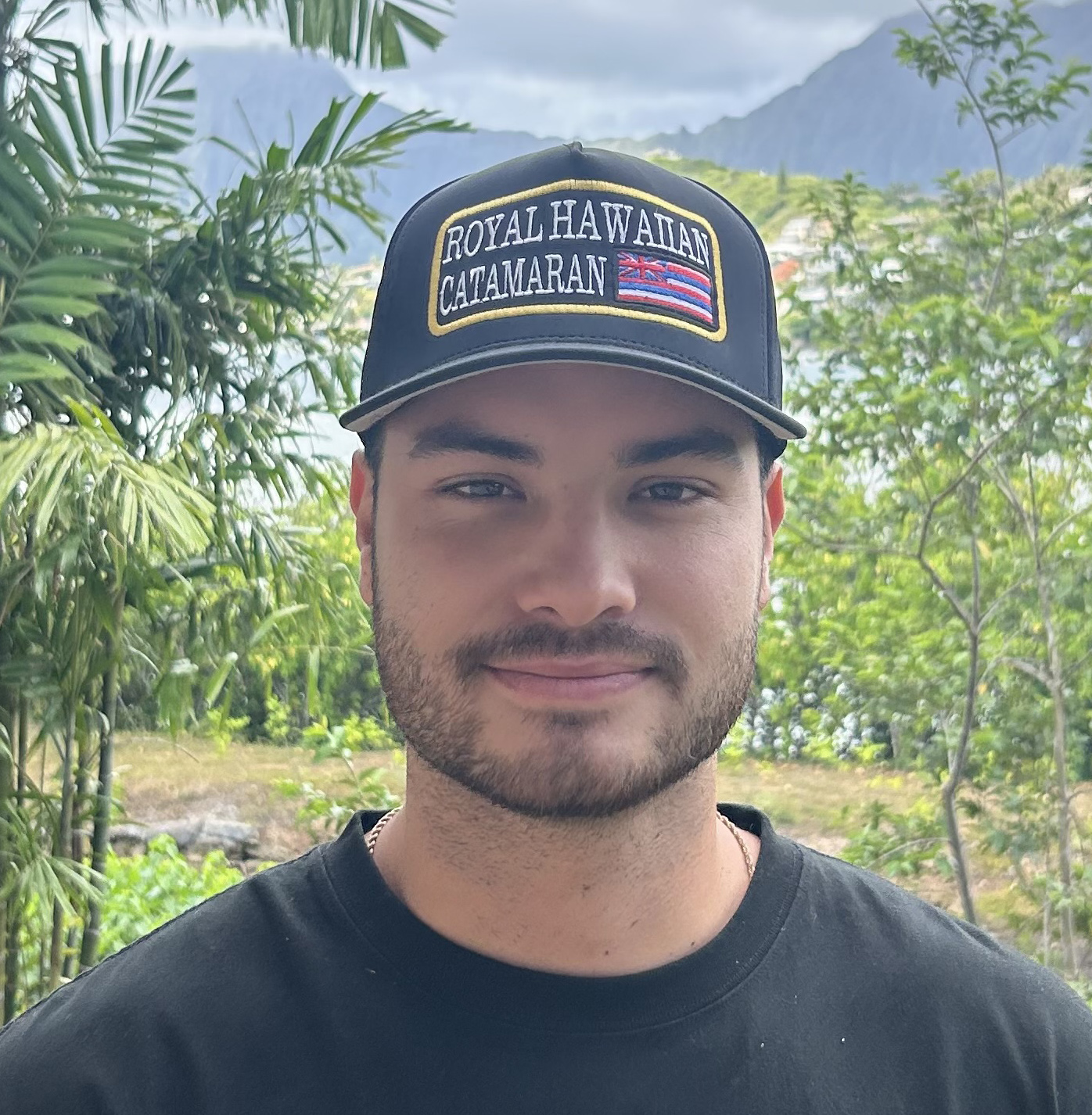
Hanalei Hoʻopai-Sylva
Board Member
Hanalei was born and raised on the island of Maui. As a fisherman, spear diver, and surfer, he understood how important Hawaiʻi’s marine ecosystem was in everyday life from a young age. He is currently working with Coral Resilience Lab and is helping to lead the Restore with Resilience (RWR) project on Maui. Hanalei is responsible for much of the data collection and analysis for RWR Honolulu and Kāneʻohe using structure-from-motion photogrammetry.
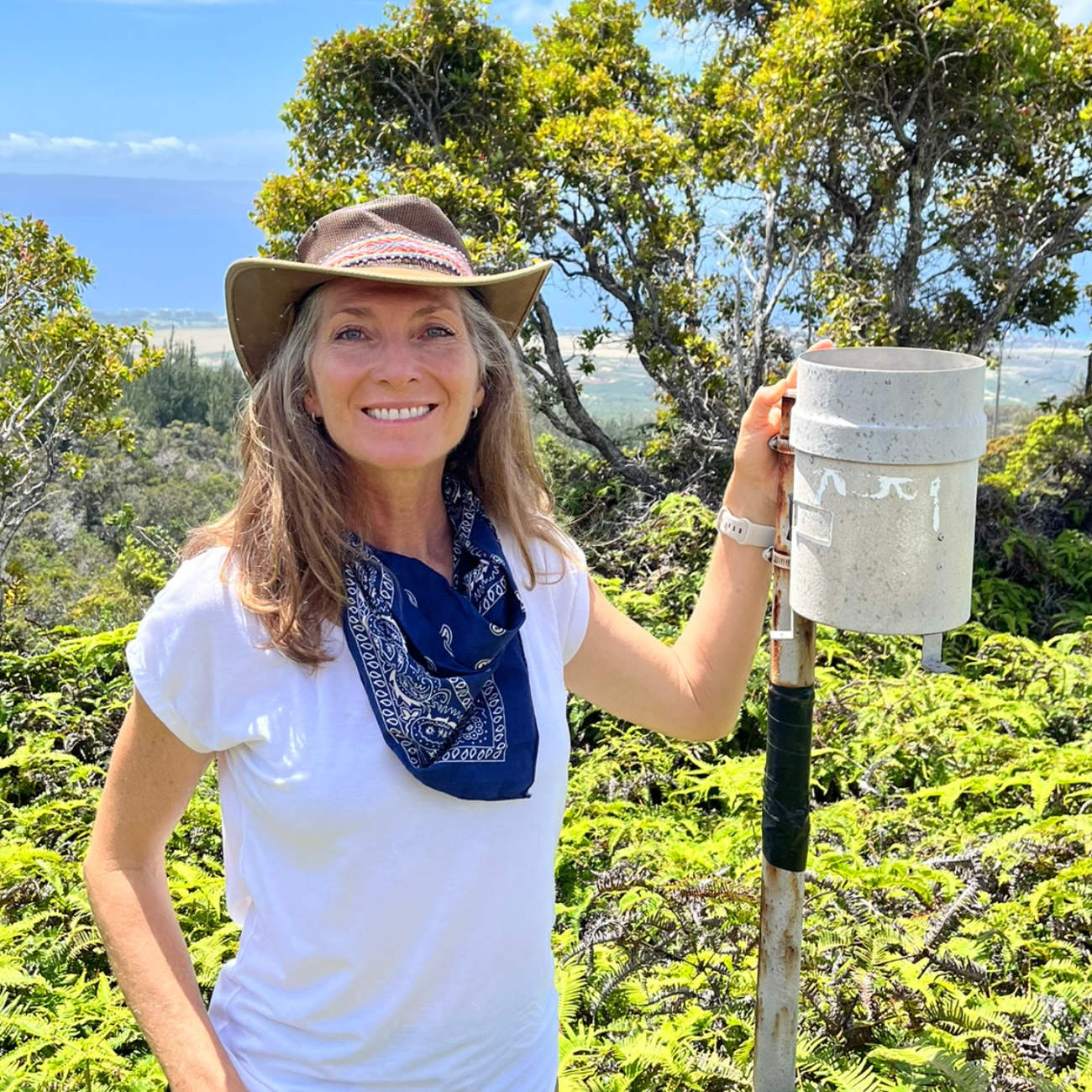
Tova Callender
Board Member
Tova Callender is a longtime partner of the Maui Nui Marine Resource Council and its newest board member. In her current role as the Ridge to Reef Coordinator for the Department of Land and Natural Resources, Division of Aquatic Resources (DNLR-DAR), Tova focuses on land-based solutions to protect Maui’s waters. Tova is also a member of the steering committee for Hui O Ka Wai Ola and is the watershed coordinator for the West Maui Ridge 2 Reef Initiative.
Tova grew up running wild with my brothers on 100 acres of forest, fields, streams, and orchards in Ontario, Canada. That early connection to nature eventually led her to pursue a bachelor’s degree in environmental biology at McGill University followed by graduate studies at UC Santa Barbara. The close relationship she has felt to nature since she was young and her passion for the environment naturally evolved into her career focus.
She moved to Maui twenty years ago to work in sustainable agriculture in West Maui. That experience deepened her understanding of the island’s unique ecosystems and people, which led to her current role as Ridge to Reef Coordinator for DLNR-DAR, where she focuses on land-based solutions to protect our coastal waters.
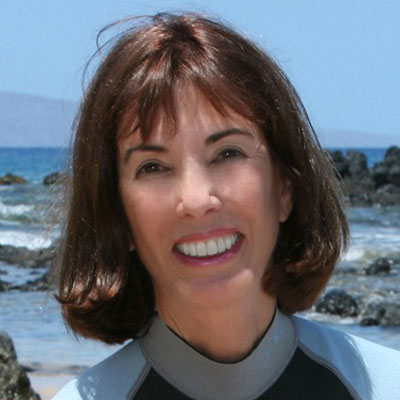
Robin Newbold
Board Member Emeritus & Co-founder
Robin helped found MNMRC in 2007. She is a past professor of marine biology and oceanography at Saddleback College in California. Beginning in 1995, Robin led and participated in coral reef research efforts around Maui Nui, and spearheaded the introduction of REEF to Hawaii to foster reef stewardship in Maui. She has made over a thousand research oriented SCUBA dives at many locations throughout the Pacific, and is committed to community-based reef restoration.


Maui Nui Marine Resource Council is a 501(c)(3) charitable organization.
Your donation is US tax-deductible to the extent allowed by law.
EIN: 47-2509441
Maui Nui Marine Resource Council
P.O. Box 331204, Kahului, HI 96733
(808) 707-5056