

Good Growth: Maui’s First Reef-Friendly Landscaping Summit
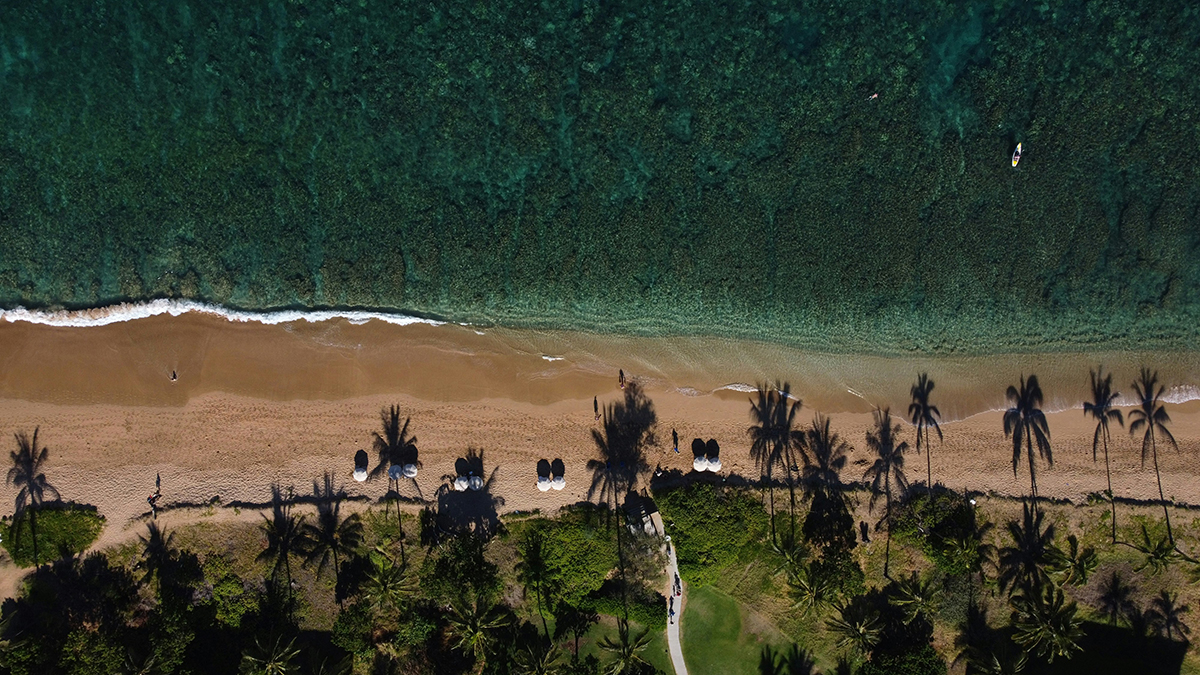
Photo by Josh Williams on Unsplash
At the edge of Maui County’s shorelines, hotels and resorts have a significant influence on nearby marine ecosystems.
These oceanfront properties sit where mauka meets makai and their proximity to the ocean means landscaping practices on the property usually have a direct impact on nearby coastal ecosystems.
MNMRC’s Reef-Friendly Landscaping (RFL) program is aimed at equipping land managers and landcare professionals with the skills and tools they need to adpot healthier practices for both land and sea. After successfully working with the Four Seasons Resort Lānaʻi to earn its RFL Gold certification, and launching an official RFL course curriculum in 2024, the Maui Nui Marine Resource Council began to explore new ways to make Reef-Friendly Landscaping available to larger groups of participants.
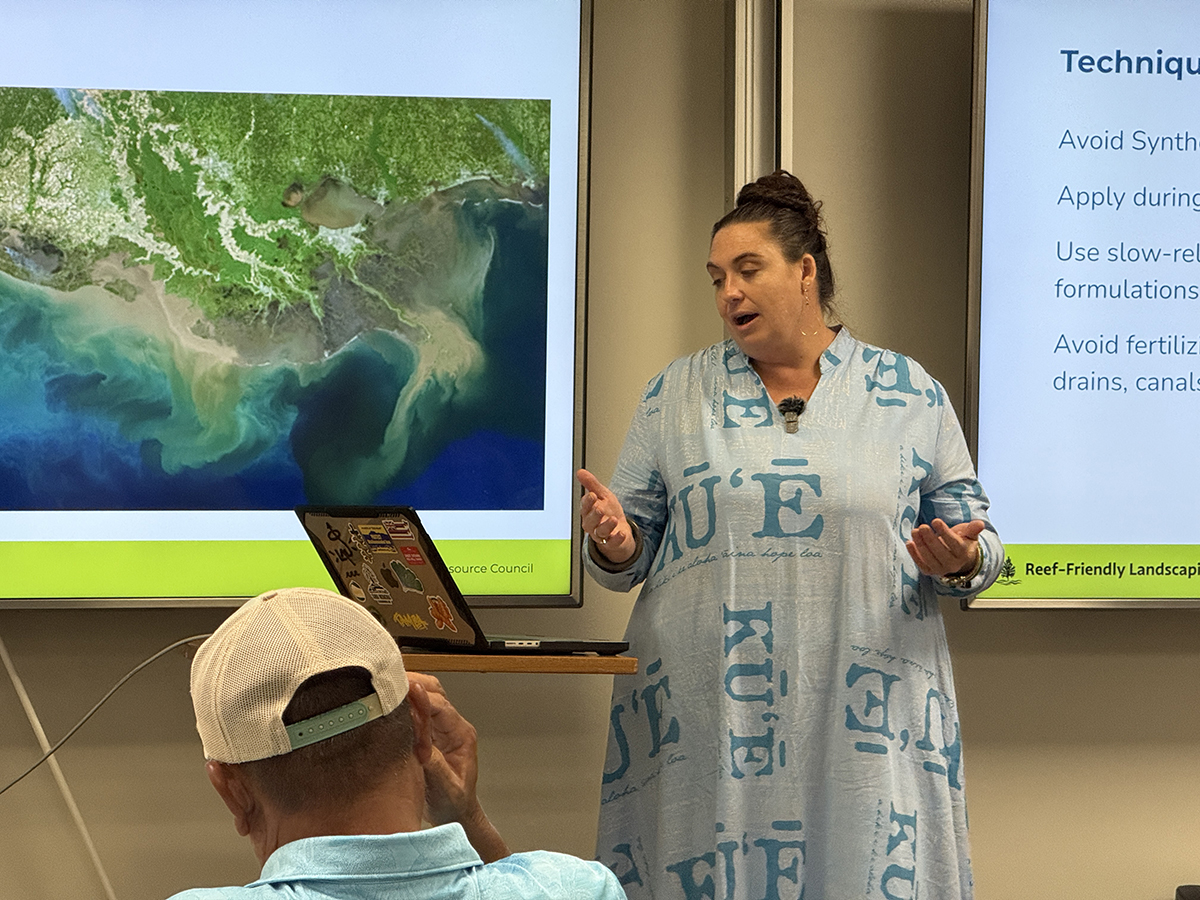
“In the case of West Maui resorts, we started to see a growing interest in reef-friendly landscaping (RFL), as more properties were looking to shift to methods that were healthier both for the land and nearby marine life,” said Jill Wirt, RFL Director. The idea for an in-person summit came about when Trisha Keahulani Watson of ʻĀina Momona and Keolahou Hinau, Executive Director of the Pilikahakai Foundation reached out to MNMRC about offering the 10-subject curriculum over the course of two days in May.
“The Pilikahakai Foundation was established in direct response to the growing erosion and climate challenges facing Kāʻanapali Beach. We saw the need for a proactive, community-based approach to protect this place, not just for today but for future generations,” said Hinau. “The reef-friendly landscaping summit is a major step forward. It connects property owners, residents, and landcare professionals with practical, place-based knowledge to protect our shorelines.”
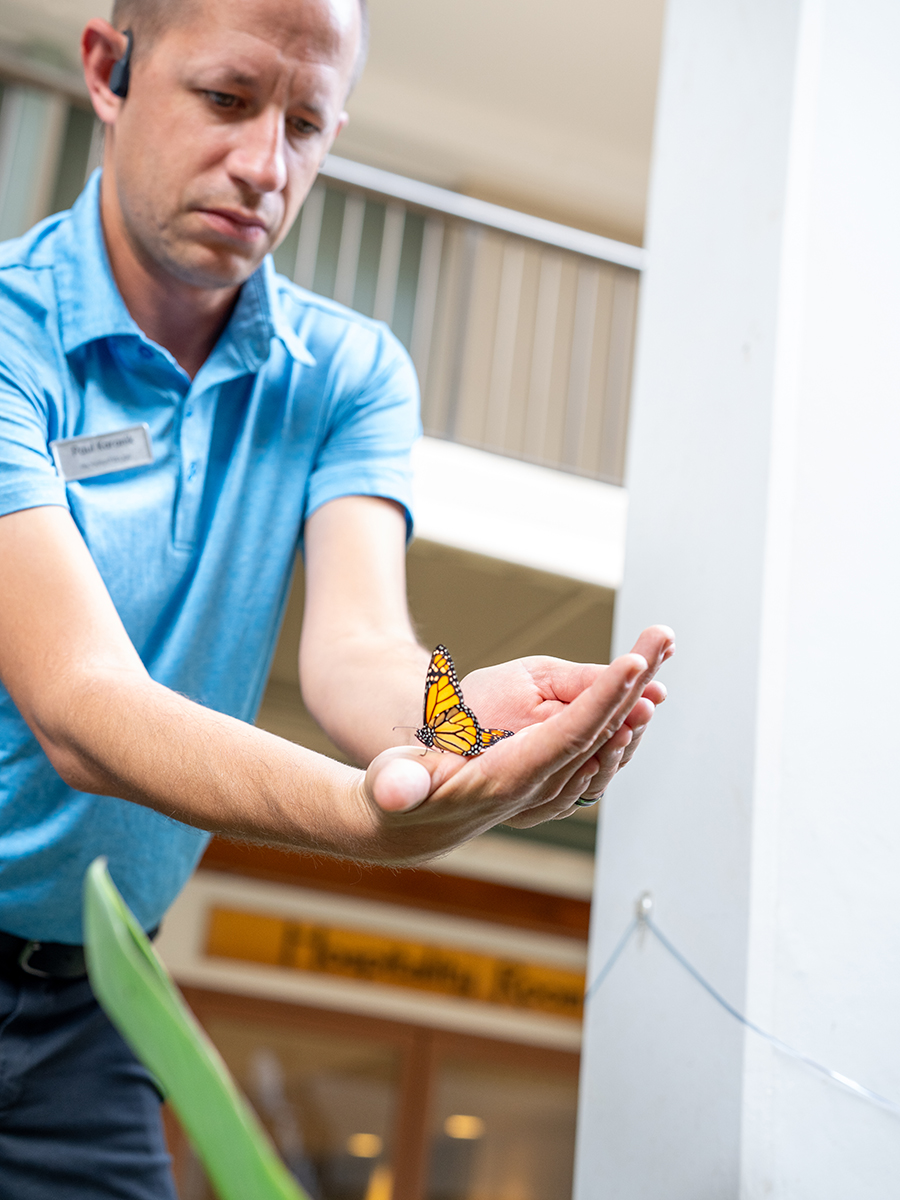
Thanks to a generous sponsorship from the Kāʻanapali Operations Association, the summit was hosted at the Marriott Maui Ocean Club, May 17-18, and welcomed landscaping professionals from Sheraton, Marriott Maui Ocean Club, Royal Lahaina Resort, and Hyatt Regency in addition to participants from Maui Nui Botanical Gardens and Reef Guardians Kauaʻi.
“In early talks with Trisha and Keolahou, it was clear that the first RFL summit should be in Kāʻanapali because a few places were already implementing practices similar to RFL,” said Wirt. “By offering an in-person summit, we wanted to create an opportunity for professionals to learn how to implement RFL and to share their own insight from sustainable practices at their properties.” Kāʻanapali was also strategically chosen for the potential to make a focused impact along the shoreline through a connected group of large, reef-friendly properties.
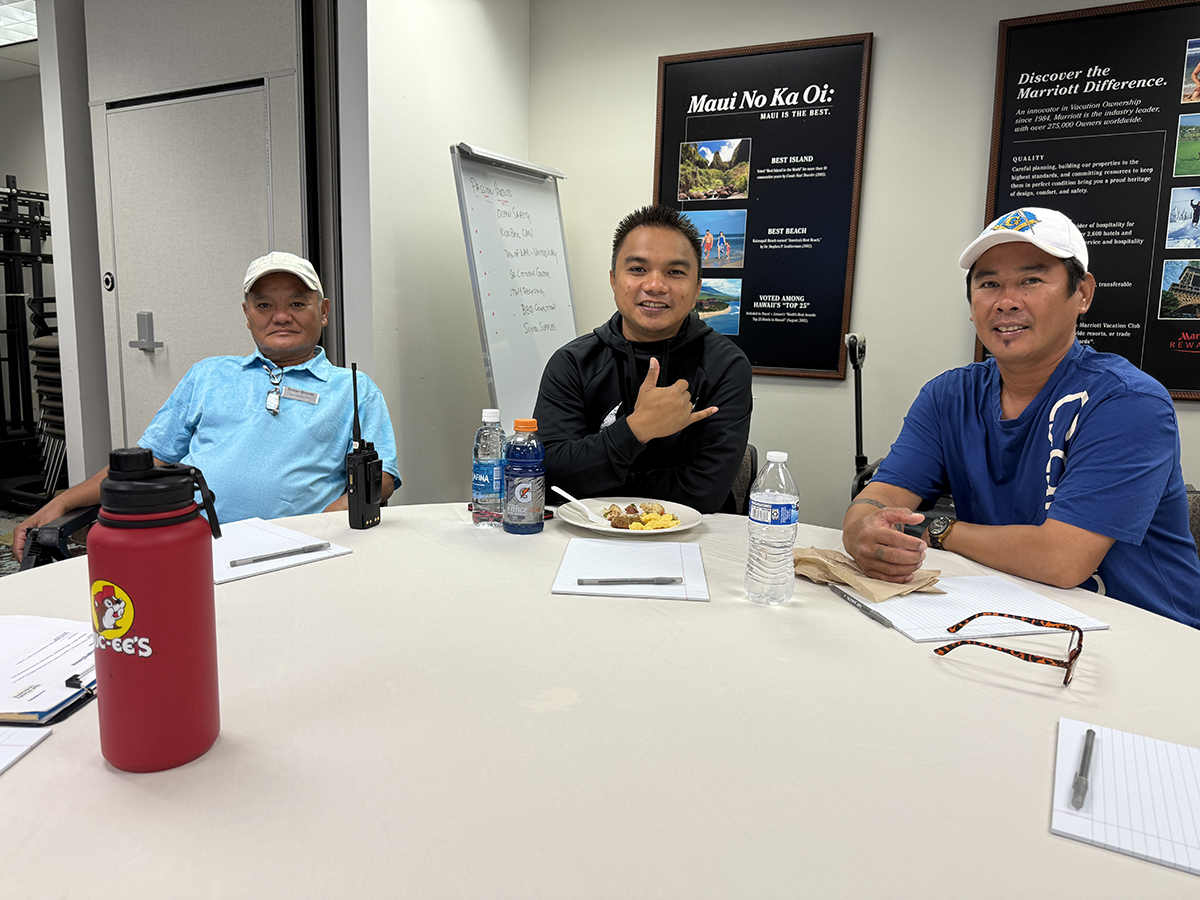
Over the course of two days, participants learned from local experts and cultural practitioners through a combination of classroom instruction, site visits, and hands-on training. Lessons covered topics including soil health, fertilizer alternatives, wetland preservation, and reef impacts.
The goal of the summit was to provide tools and resources to resorts so they could start incorporating reef-friendly (RFL) practices into daily landscaping operations. As more Kāʻanapali properties adopt RFL, the hope is that the area would not only have healthier soil and plant life but would also act as a “sponge” that absorbs nutrients and keeps pollutants out of the ocean and off of nearby reefs.
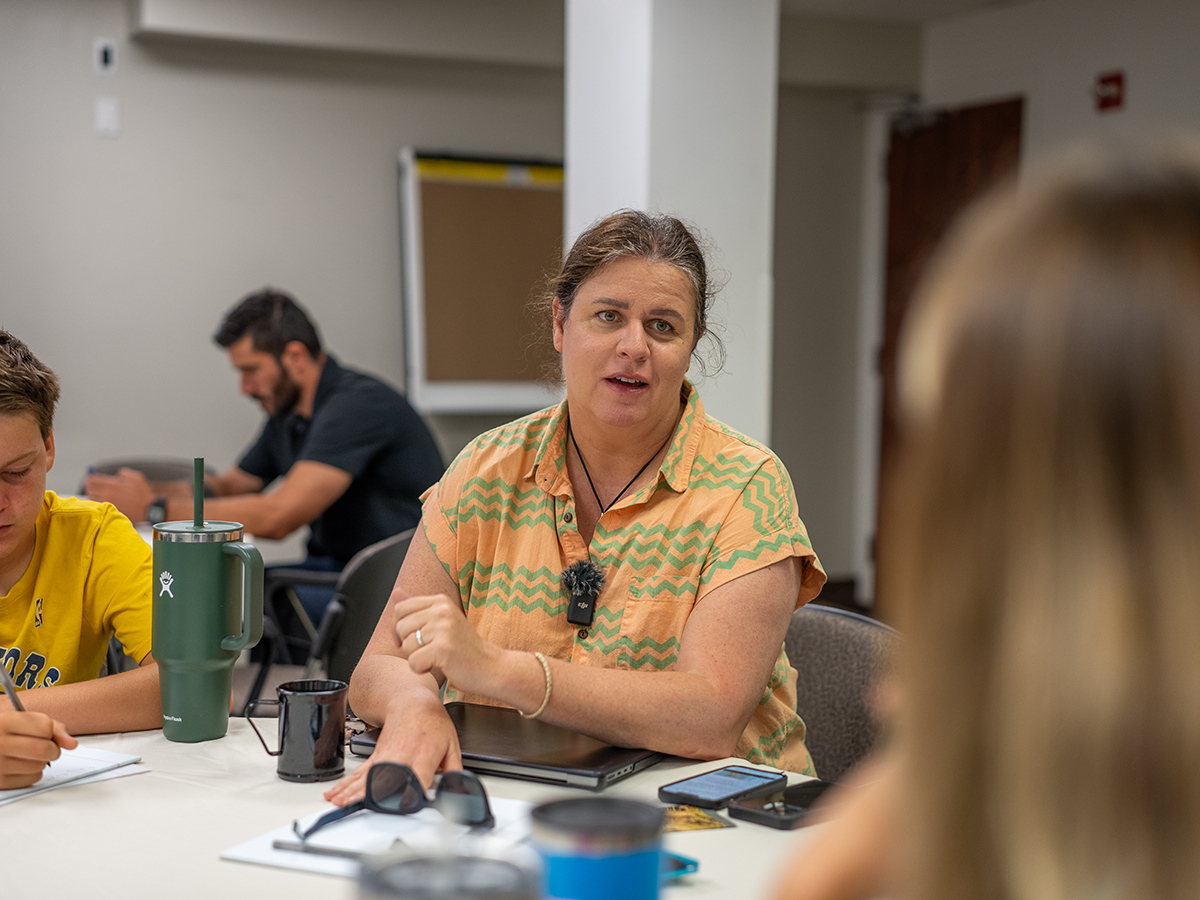
While the reef-friendly landscaping is still new, Wirt has seen encouraging signs of change. Recently, the Hyatt, in alignment with RFL standards, has successfully eliminated all synthetic chemicals from its landscaping methods through a focused effort that took a little over a year to accomplish.
Building on the growing interest in RFL, MNMRC and its partners are planning to host another summit in October. In addition to landscaping professionals from resorts, Wirt hopes to share the program with golf courses, home owner and condo associations, and other land managers interested in adopting more sustainable practices.
For more information about the Reef-Friendly Landscaping program or the October summit, please contact: [email protected]

No Comments
Sorry, the comment form is closed at this time.