
The Quality of Water Equals the Quality of Life
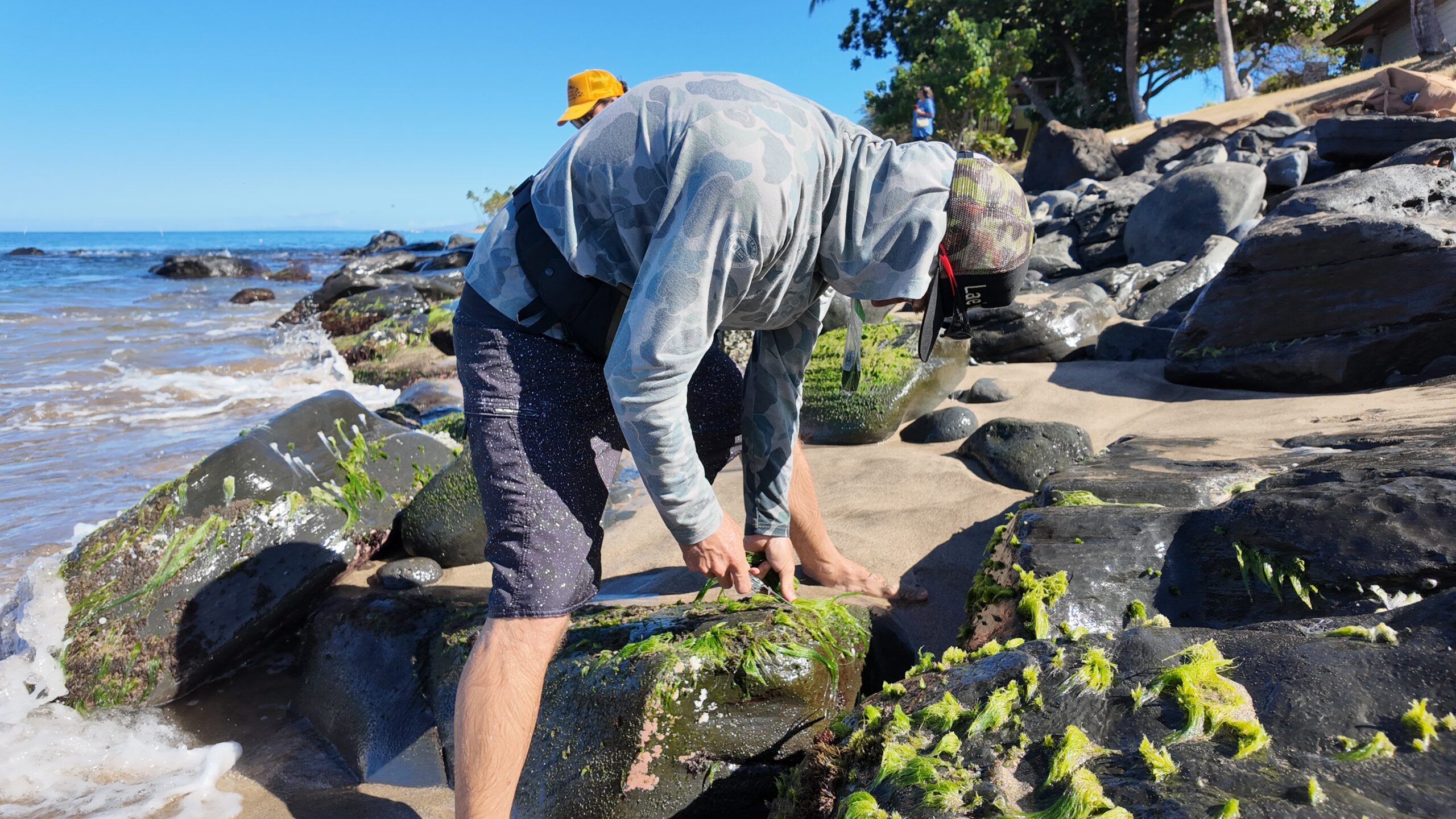
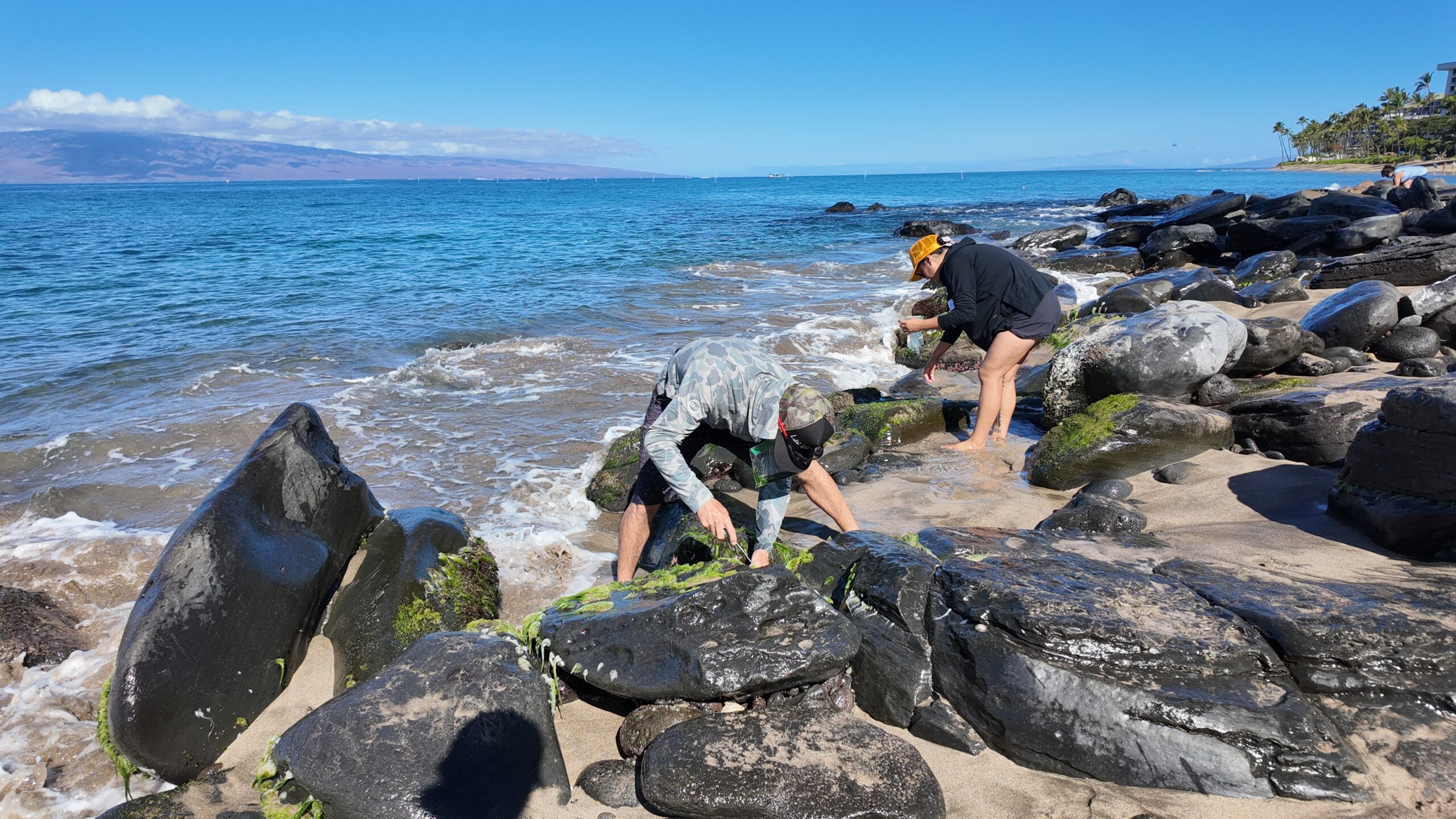
Since 2019, the Maui Nui Marine Resource Council has documented the presence of several types of limu (marine algae) that can indicate the presence of freshwater in parts of North, West, and South Maui.
Previous studies have reported nutrient pollution in these areas, and our testing is to help determine whether the water was still polluted by nitrogen, and if so, what the sources pollution might be.
When we look at our results from testing in 2024, the highest level we saw was a little under 4.5%. While this is not alarmingly high, it is above the 2% threshold and is cause for further investigation. The default assumption is that enrichment is caused by commercial fertilizer. When rain hits commercial fertilizers that have been applied to the ground the Nitrogen in it is dissolved. If it is not absorbed quickly enough into plants, it is absorbed into groundwater or caught in runoff, both of which end up in the ocean.
Another possible pollution source is wastewater. Bacteria in sewage treatment processes tend to soak up Nitrogen 14 isotopes. Both Nitrogen 14 and 15 isotopes are naturally occurring, but when the ratio between the two is abnormal, we start to look for the presence of wastewater in the area.
In the video above, John, our Science Director, explains what we are seeing in terms of nitrogen levels from the 25 North Maui sites, and shares some insight into the first set of results from sampling in that area. 2025 was the first time MNMRC collected limu in North and West Maui, so more testing will be needed to get a better idea of what water conditions are like at these locations
If you’d like the most current limu data, our StoryMap report, below, is updated as new information becomes available. If you’d like a more compact view of regional results from 2025, check out our Regional Briefs that cover the highlights for the North, West, and South Maui coastlines below the StoryMap.
Regional Summaries – North, West, and South Maui

South Maui Brief
North Maui Brief
West Maui Brief
Gallery