
The Quality of Water Equals the Quality of Life
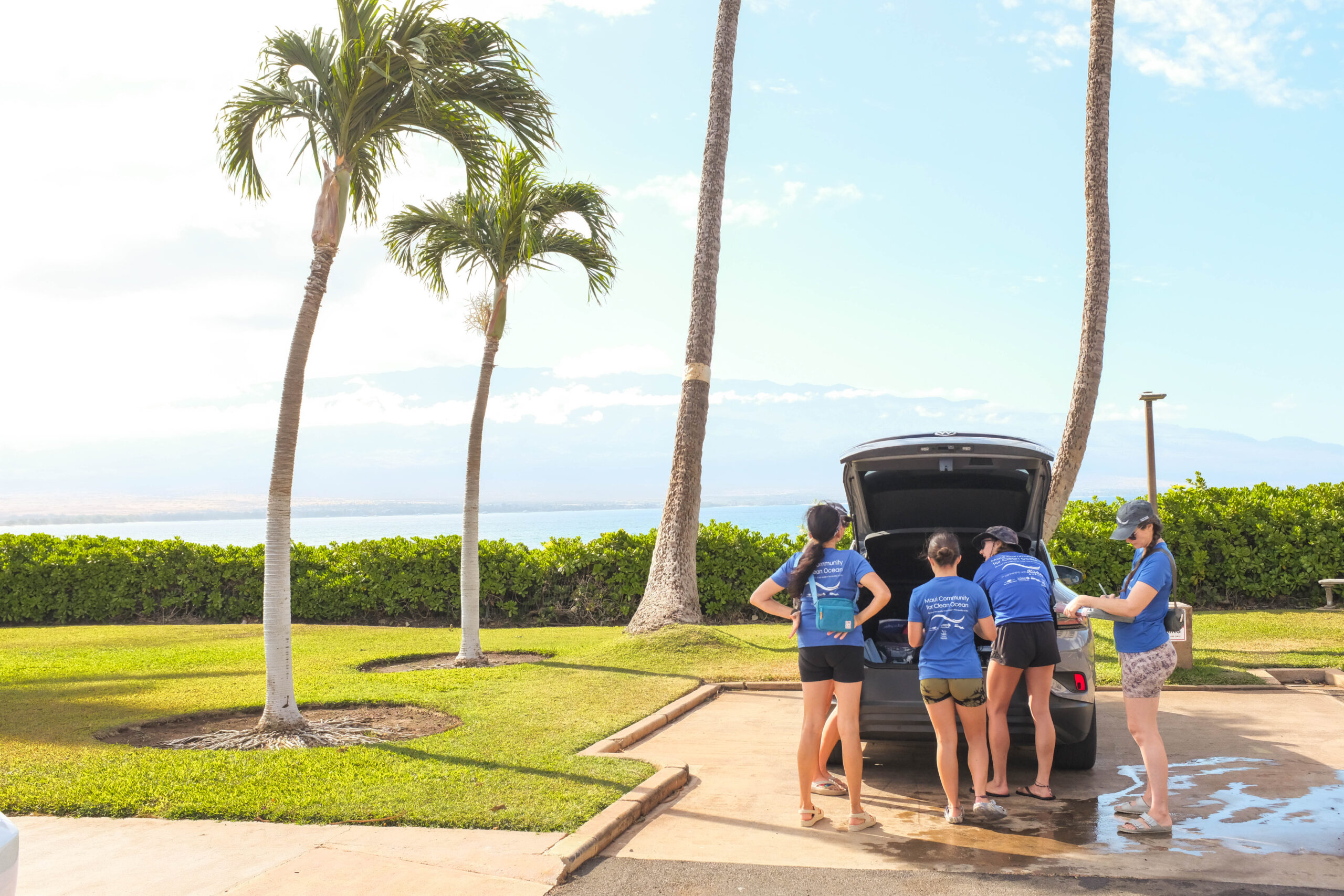
Maui Nui Marine Resource Council is proud to partner with The Nature Conservancy and West Maui Ridge to Reef Initiative, to co-manage Hui O Ka Wai Ola an innovative, community-based water quality monitoring program.
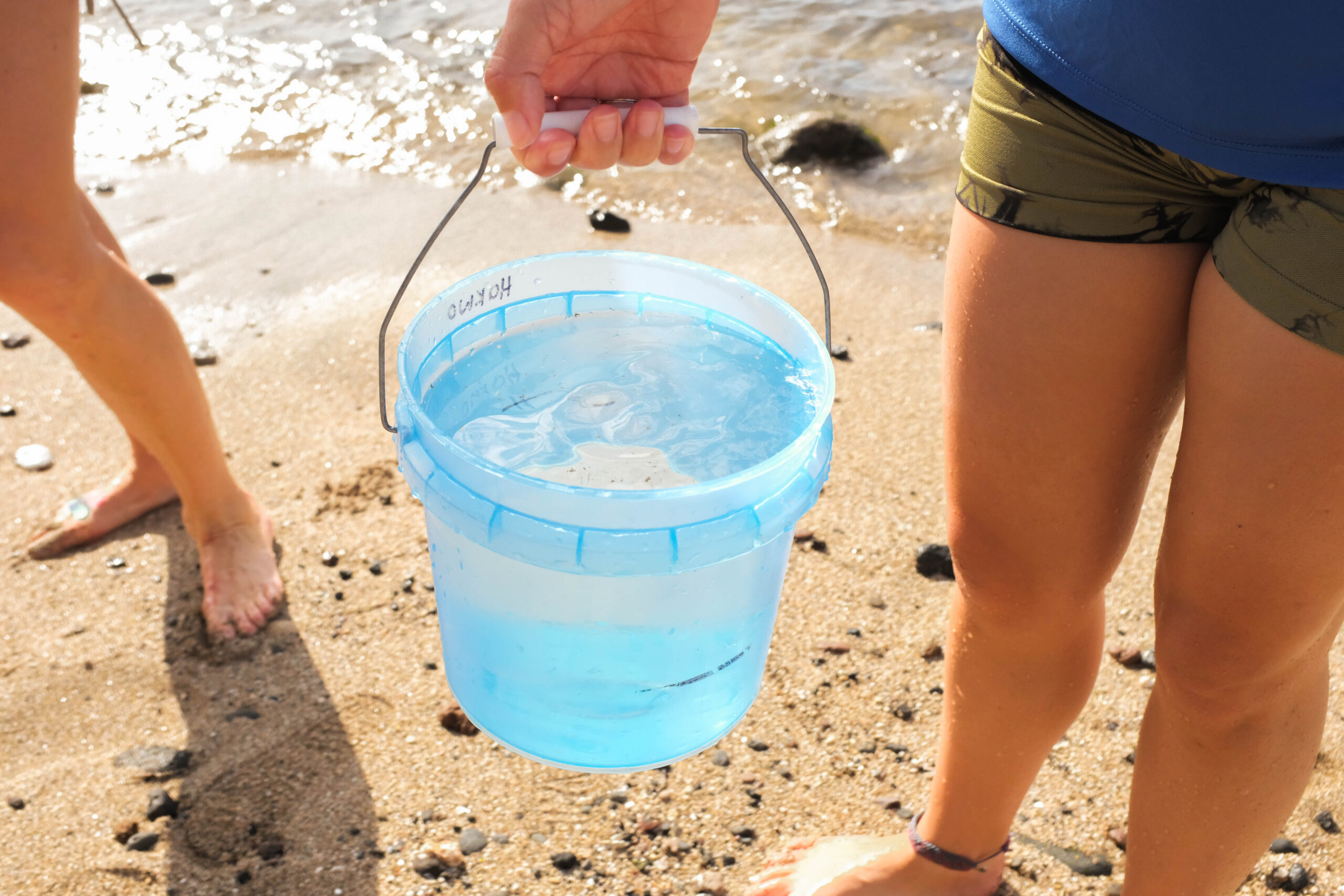
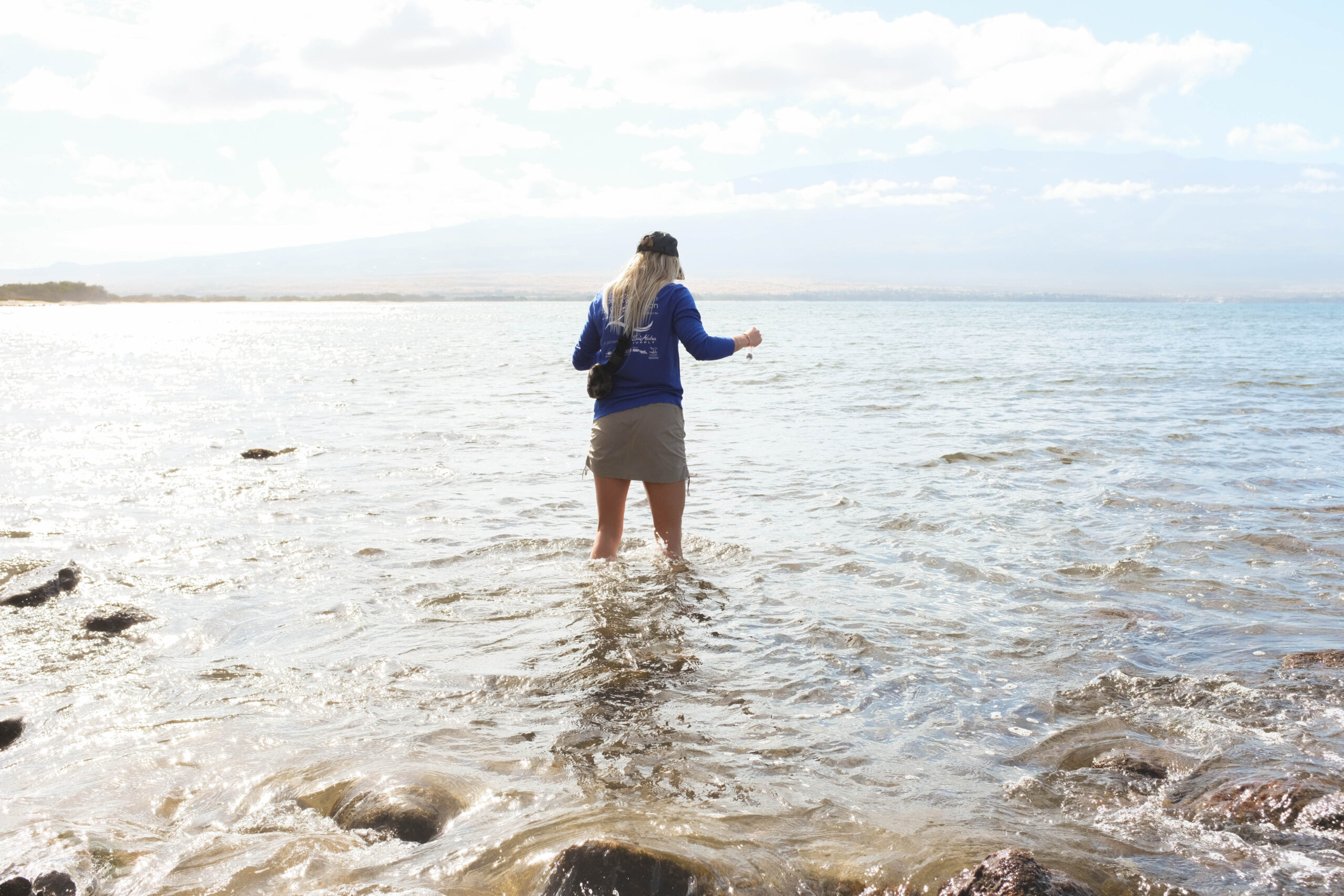
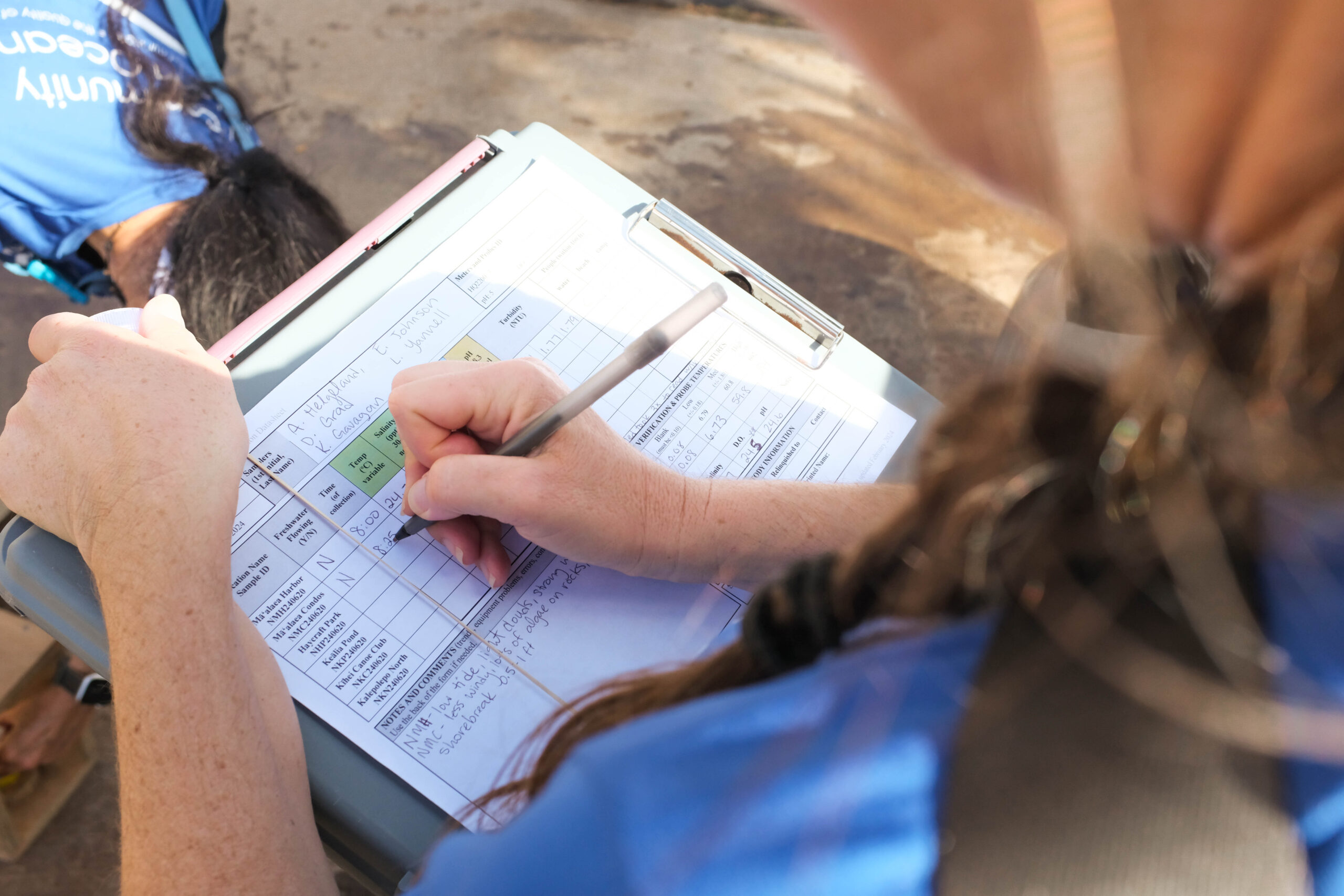
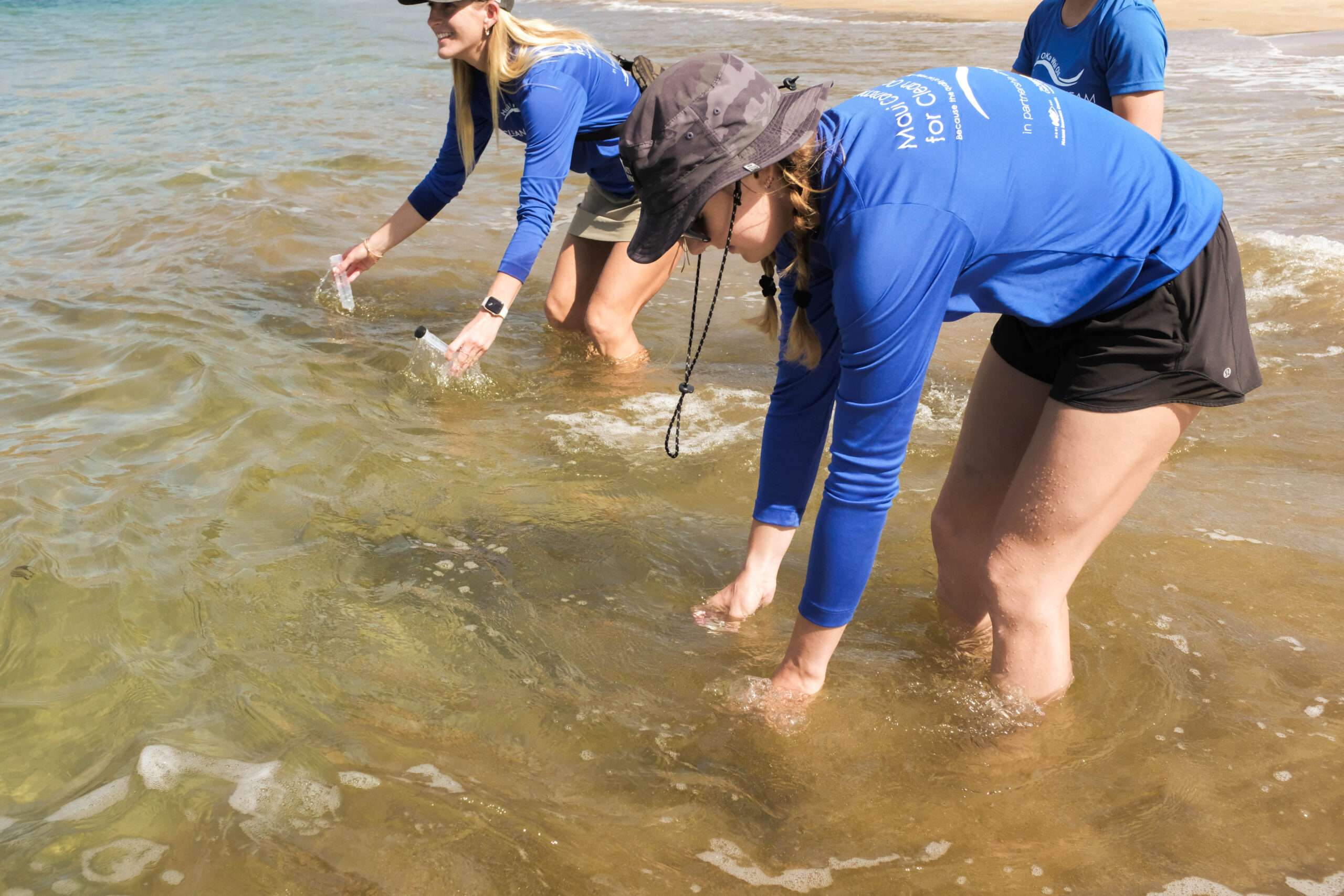
The Hui supports the State of Hawaiʻi Department of Health Clean Water Branch by sending teams of trained volunteers to test water quality conditions at beaches across leeward Maui throughout the year. Samples are tested for 13 parameters including turbidity, pH, salinity, and water temperature. Quality-assured data collected by Hui volunteers is shared with County, State, and Federal agencies.
Where We Test
WEST MAUI SITES 2025
Honolua Bay
Oneola Beach
Kapalua Bay
Nāpili Bay
Kāʻopala Bay
Kahana Village
Pōhaku Park
Kā’anapali Shores
Kahekili Two
Hanaka’ō’ō Park (Canoe Beach)
Wahikuli Park
Māla Tavern
Pāpalaua St
Lāhainā Harbor
505 Front St
Kauaʻula Rd
Polanui-ʻŪhāʻīlio
Camp Olowalu
Mile Marker 14
Ukumehame Park
Pāpalaua Pali
SOUTH MAUI SITES 2025
Māʻalaea Harbor
Māʻalaea Condos
Haycraft Park
Keālia Pond
Sugar Beach
Kīhei Canoe Club
Mai Poina Park
Kalepolepo Park North
Waipuʻilani Park
West Līpoa St
Kalama Park
Cove Park
Kilohana Dr
Keawakapu Beach South
Ulua Park
Palauʻea Beach
Maluaka Beach
‘Āhihi-Kīna’u North
’Āhihi-Kīna’u South
Water Quality Sampling Comes to Molokai in 2026
We will be monitoring five sites along the South Shore of Molokai from Coconut Grove to Kakahai‘a Park. These sites were selected based on interest from residents and decision-makers, knowledge of watershed flow to these sites, freshwater springs, and interest in restoration projects. Our group will regularly measure coastal waters for pollutants that can harm our coral reefs and human health. Through this effort and over time, we hope the data benefit the people of Moloka‘i and are used to reveal meaningful trends in turbidity, nutrients, and other parameters – because the quality of our water equals the quality of life.
This monitoring effort is made possible through the generous support of the Maui County Council, County of Maui’s Environmental Protection & Sustainability Division, and the State Division of Aquatic Resources, who is hiring on-island staff to conduct monitoring and initial lab procedures. If you’d like to learn more about this effort, please email us at [email protected]! If you are a Moloka‘i resident interested in volunteering once the program is more established, please click the button below!
The Hui adds to the data collected by the Department of Health and our testing keeps a close eye on changing water quality conditions that can harm local coral reefs. Our data also provides the community with information to make resource management decisions and is shedding light on the impact of the Lāhainā wildfire on nearby marine ecosystems. Every two years, the Hui distills its most recent findings and data in its water quality report that covers trends, concerns, and insights into conditions around the island. A copy of the most recent report can be found here
What We Test For
Turbidity
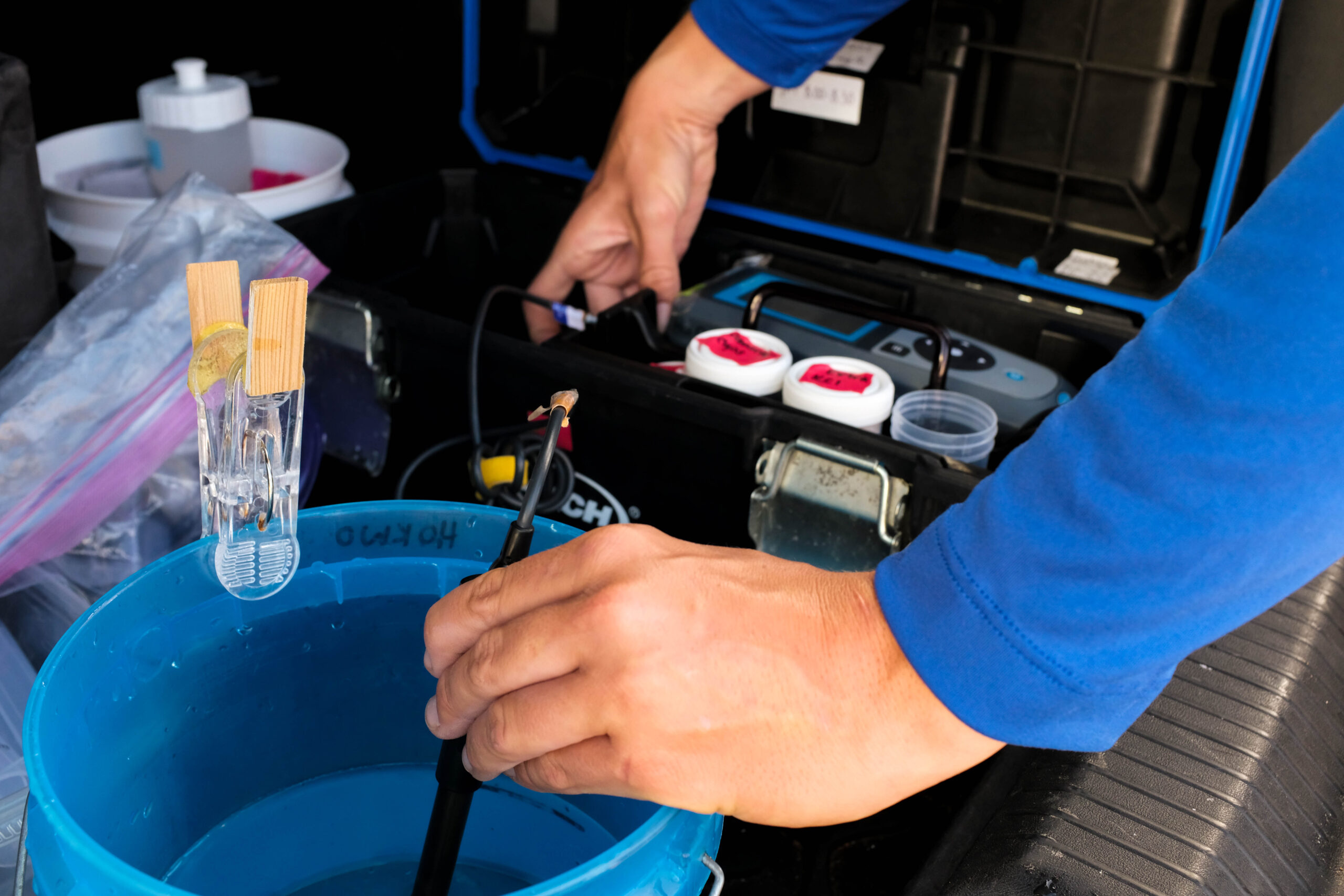
How it is measured: We gather samples at knee depth, then use a turbidity meter onsite to measure the amount of sediment (turbidity) in the water.
How changes are caused: Sediment carried from the land to the ocean (by streams, flooding, storm runoff) can cause ocean water to become brown or murky.
Why it is a concern: Sediment blocks sunlight from reaching reefs and can smother corals.
What we can do: When we find areas with high levels of turbidity, we can address upslope issues such as grading or clearing of land that caused sediment to flow into the ocean.
Ocean chemistry
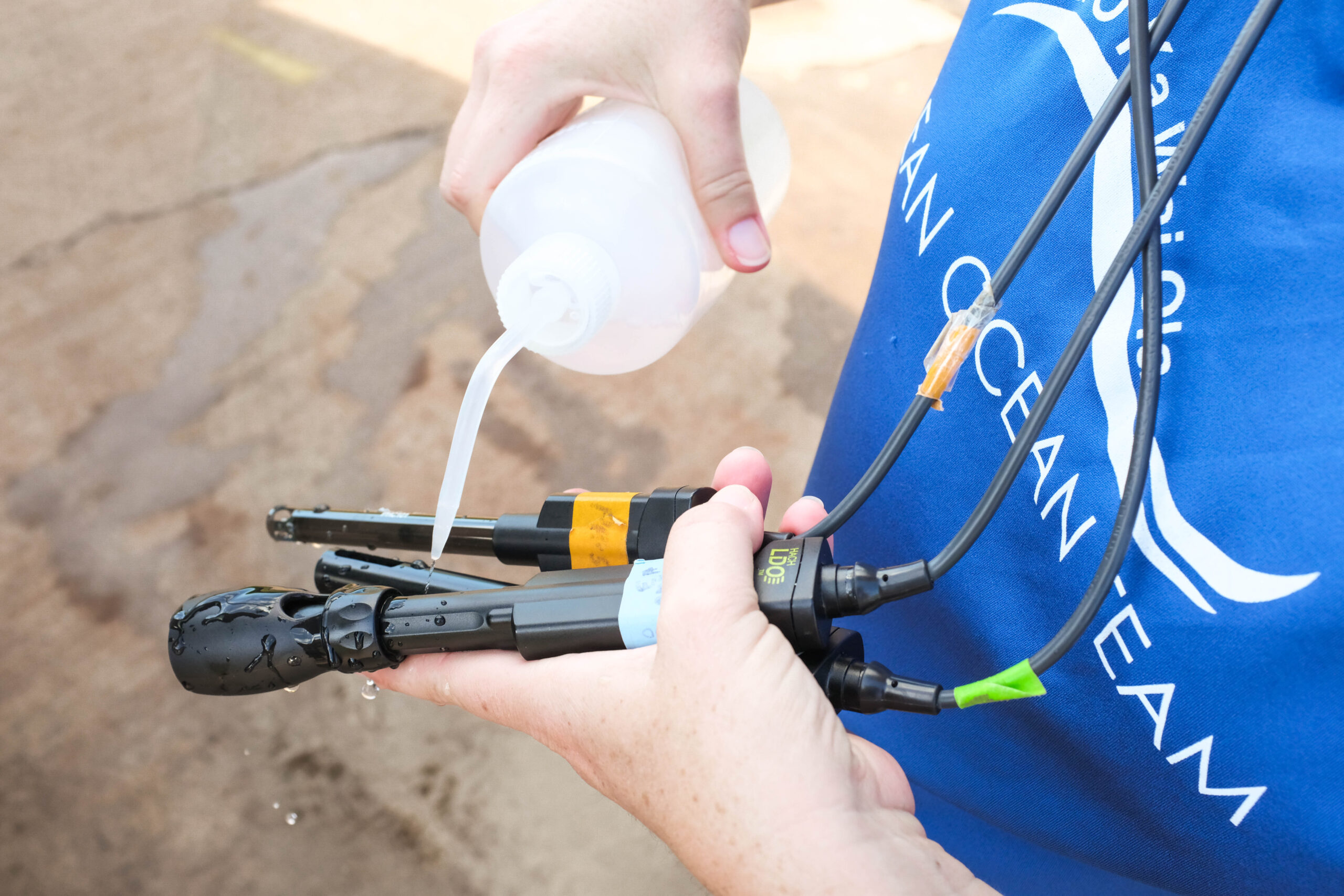
How it is measured: We measure pH, salinity and water temperature onsite using portable, handheld equipment.
How changes are caused: Changes in ocean chemistry can be caused by climate change and other local factors. Salinity can be changed by freshwater flowing into the ocean. Water temperature can fluctuate by season and can also be caused by climate change. Ocean acidity can be increased warming ocean temperatures. Warmer water also holds less dissolved oxygen (needed for aquatic plants and animals to survive).
Why it is a concern: Corals are very sensitive to changes in ocean chemistry, including increased ocean water acidity. Corals bleach when water temperature increases; collecting water temperature can help track localized variations between sites.
What we can do: We can monitor changes in reef health against changes in ocean water quality and continue to advocate for ways to reduce greenhouse gases and reverse climate change.
Nutrients (nitrogen and phosphorous)
How they are measured: Water samples are gathered, refrigerated and shipped on ice to the SOEST Analytical Laboratory on Oahu for analysis of nitrogen and phosphorous.
How changes are caused: High levels of nitrogen and phosphorous can indicate pollution from wastewater, run-off from agriculture, landscaping and/or golf courses.
Why it is a concern: Too much nitrogen can cause an increase in invasive algae (limu), which is damaging to coral reefs.
What we can do: When we identify ocean areas with high levels of nutrients, we can pinpoint and address up-slope areas that are sources.
Gallery